Beneath Nigeria’s vibrant economic landscape lies a foundational industry with the power to reshape its future: mining. Far more than a historical footnote, this sector is re-emerging as a critical engine for national development, poised to unlock immense value beyond the well-known oil and gas narrative. From the rich veins of gold in Zamfara to vast limestone deposits essential for construction, Nigeria’s geological wealth presents a compelling opportunity for economic diversification, job creation, and infrastructural growth. This article explores the multifaceted contributions of mining, examining how responsible mineral extraction is catalyzing industrial growth, generating substantial government revenue, and fostering the development of remote communities. As the nation strategically harnesses these subterranean assets, the mining sector stands as a pivotal force in building a more resilient and inclusive economy for generations to come.
Unlocking Nigeria's Economic Potential: How Mining Drives National Growth
Nigeria's economic diversification and industrial advancement are fundamentally linked to the strategic development of its mineral sector. Beyond simple resource extraction, modern mining acts as a primary catalyst for heavy industry, manufacturing, and high-value export generation. The sector's contribution is measured not just in raw tonnage, but in its capacity to supply critical raw materials that meet stringent international specifications for downstream production.
The core economic driver is the provision of industrial raw materials with defined technical parameters. Nigerian deposits supply key inputs that displace costly imports and establish backward integration for domestic manufacturing.
- Steel & Metallurgy: Iron ore and coking coal are prerequisites for a sovereign steel industry. Locally sourced manganese (Mn) is a critical alloying element, with specific grades (e.g., High-Carbon Ferromanganese) essential for producing wear-resistant Mn-steel used in mining equipment, railway tracks, and machinery. Nickel and chromium occurrences provide a foundation for developing stainless and other alloy steels.
- Construction & Infrastructure: Limestone of high calcium carbonate purity (>95% CaCO3) is non-negotiable for quality cement production. Granite, basalt, and other aggregates with specified compressive strength and abrasion resistance metrics are vital for road base layers and concrete works, directly enabling national infrastructure projects.
- Advanced Manufacturing & Technology: Columbite and tantalite (coltan) are strategic minerals for the electronics industry, essential in capacitors and high-performance alloys. Kaolin with controlled plasticity and brightness indices supports ceramic, paint, and pharmaceutical manufacturing. Barite, weighted to meet API standards for specific gravity (≥4.20), is a mandatory component of drilling mud in the petroleum sector.
- Energy & Catalysis: Lead-zinc ores are fundamental for battery production. Bitumen deposits are critical for road pavement and roofing materials. Certain clay types serve as catalysts and adsorbents in industrial chemical processes.
Modern mining operations contribute through technical capacity and adherence to global operational standards. This ensures efficiency, safety, and market acceptability of products.
- Plant Engineering & Throughput: Economies of scale are achieved through processing plants designed for specific Tonnes Per Hour (TPH) capacity, calibrated to ore hardness (measured on the Mohs scale or Bond Work Index), liberation size, and desired concentrate grade.
- Quality Assurance & Market Access: Implementation of ISO 9001 (Quality Management) and ISO 14001 (Environmental Management) frameworks is standard. Product certification against CE marking for equipment or adherence to London Metal Exchange (LME) specifications for metals is necessary for international trade.
- Adaptive Processing: A key USP of contemporary operations is the adaptability of processing circuits to handle variations in ore mineralogy and hardness without significant loss in recovery rates, ensuring consistent output quality.
- Value Chain Integration: The highest economic return is realized through domestic beneficiation. This transforms run-of-mine ore into standardized concentrates, metals, or semi-finished products, capturing multiple stages of value within Nigeria and creating skilled technical employment.
| Mineral Resource | Primary Industrial Application | Key Technical Parameter / Standard | Downstream Economic Impact |
|---|---|---|---|
| Iron Ore & Coking Coal | Primary Steel Production | Fe content >60%, low impurity (S, P); Coke Strength After Reaction (CSR) | Foundation for metal fabrication, construction, and automotive industries. |
| Limestone | Cement Manufacture | High CaCO3 (>95%), low MgO; ASTM C150 / EN 197-1 standards | Enables domestic construction sector and infrastructure development. |
| Barite | Oil & Gas Drilling Mud | Specific Gravity ≥4.20, API 13A Specification | Reduces import dependence for the petroleum sector, a critical linkage industry. |
| Lead-Zinc Ores | Battery & Galvanizing | Concentrate grade (e.g., >60% Pb, >50% Zn); LME gradeable | Supports automotive and backup power industries, enables steel corrosion protection. |
| Kaolin | Ceramics, Paper, Pharma | Brightness (ISO 2470), plasticity index, particle size distribution | Input for domestic tile, paper filling/coating, and pharmaceutical production. |
The path to unlocking this potential requires consistent policy enforcement, investment in geoscientific data to bankable feasibility level, and infrastructure development focused on mineral corridors. The technical capacity exists to move from artisanal extraction to mechanized, processing-intensive operations that supply standardized materials to both local and global supply chains. This transition is the definitive step from resource wealth to broad-based industrial growth and economic resilience.
From Resource to Revenue: Maximizing Value in Nigeria's Mining Sector
The transformation of Nigeria's mineral resources into sustained national revenue requires a paradigm shift from basic extraction to integrated, value-optimized operations. This hinges on deploying processing technologies that align with the specific metallurgical characteristics of Nigerian ores and adhering to international technical standards to ensure product marketability and premium pricing.
Critical Processing Technologies and Material Specifications
Effective beneficiation is non-negotiable for maximizing value. The chosen comminution and separation circuits must be engineered for the specific hardness, abrasiveness, and liberation characteristics of the deposit.
- Ore-Specific Comminution: Primary and secondary crushers must be selected based on compressive strength (Uniaxial Compressive Strength) and abrasion index (e.g., Bond Work Index) of the ore. For hard, abrasive granites or iron ores, jaw crushers with high-grade manganese steel (Mn14% to 18%) jaws offer necessary work-hardening and impact resistance.
- Advanced Beneficiation: Moving beyond simple crushing and screening to processes like:
- Sensor-Based Ore Sorting: Using X-ray transmission (XRT) or laser-induced breakdown spectroscopy (LIBS) to reject low-grade gangue early, drastically improving head grade to the processing plant and reducing energy and water consumption per ton of final product.
- High-Gradient Magnetic Separation (HGMS): Essential for purifying Nigerian iron ore, kaolin, and other industrial minerals by removing fine ferromagnetic impurities to meet export specifications (e.g., >62% Fe for iron ore).
- Froth Flotation: Key for complex sulphide ores (e.g., Pb-Zn) to achieve selective mineral separation and produce high-grade concentrates.
Technical Standards and Product Certification
Access to international markets and premium pricing is contingent on demonstrable quality control and adherence to global norms.
- Material Certification: Steel alloys used in processing plant construction and wear parts (liners, pump impellers) must carry CE marking or equivalent, confirming compliance with EU safety, health, and environmental directives.
- Product Standards: Final mineral products must be certified to relevant ISO standards. For example:
- Barite: API 13A / ISO 13500 specification for drilling-grade barite (specific gravity ≥ 4.20, particle size distribution).
- Lead Concentrates: ISO 12743:2021 for sampling and moisture determination.
- Industrial Minerals (Kaolin, Limestone): Relevant ISO standards for chemical composition (SiO₂, Al₂O₃, Fe₂O₃ content) and physical properties (brightness, viscosity).
Operational USPs for Nigerian Context
Maximizing revenue is a function of operational efficiency, adaptability, and lifecycle cost management.
- Plant Throughput & Uptime: Design for optimal Tonnes Per Hour (TPH) with built-in redundancy for critical units (e.g., primary crusher, mill feed conveyor) to ensure availability >92%. Modular plant designs allow for phased capacity expansion.
- Ore Hardness Adaptability: Crusher and mill drives should have variable frequency drives (VFDs) to adjust power draw and throughput in real-time as ore hardness varies across different pit zones, protecting equipment and maintaining consistent product size (P80).
- Wear Life Optimization: Specify wear parts based on detailed ore abrasivity analysis. For highly abrasive applications, use chromium carbide overlay (CCO) plates on chutes and Ni-hard alloys for slurry pump components, directly reducing downtime and cost per ton processed.
Technical Parameters for Plant Selection
| Parameter | Consideration | Impact on Value |
|---|---|---|
| Ore Hardness (BWi) | Low (<10 kWh/t) vs. High (>15 kWh/t) | Dictates mill size, motor power, and grinding media consumption—major CAPEX and OPEX drivers. |
| Abrasion Index (Ai) | Measured via JK Drop Weight or Bond Abrasion Test | Determines wear rates for liners, screens, and pump casings; critical for maintenance budgeting. |
| Target Product Size (P80) | Microns for flotation vs. millimeters for aggregate | Defines the comminution circuit complexity (e.g., need for tertiary crushing, ball mill vs. vertical roller mill). |
| Moisture Content | Handling of sticky lateritic ores or clays | Influences feeder design, crusher cavity selection, and potential need for pre-screening or drying. |
The path from resource to revenue is engineered, not incidental. It requires a technically rigorous approach that matches advanced processing and stringent quality control to the unique geological profile of Nigerian deposits, ensuring Nigeria captures the full intrinsic value of its mineral wealth.
Sustainable Development in Action: Environmental and Social Benefits of Nigerian Mining
Sustainable mining operations in Nigeria are engineered to deliver material and social value while exceeding international environmental standards. This is achieved through advanced mineral processing, site-specific rehabilitation protocols, and strategic community capital development.
Environmental Stewardship Through Advanced Engineering
Modern mining employs closed-loop systems and precision processing to minimize ecological footprint. Key practices include:
- Advanced Tailings Management: Implementation of geotechnically engineered, lined tailings storage facilities (TSFs) designed to ISO 14001 standards, preventing leaching and enabling future resource recovery.
- Water Recycling Systems: Installation of high-capacity water treatment and recirculation plants, achieving over 85% reuse in processing circuits, drastically reducing freshwater extraction from local sources.
- Low-Grade Ore Beneficiation: Deployment of sensor-based sorting (XRT) and gravity separation units to economically process lower-grade deposits, increasing resource efficiency and reducing waste volume per ton of product.
- Biodiversity Management Plans: Pre-operational baselining and progressive rehabilitation using native species, ensuring net-positive impact on land use post-closure.
Technical Integration of Waste into Value Chains
Mining by-products are processed into inputs for construction and manufacturing, transforming liabilities into assets.
| Mineral By-Product | Processed Output | Technical Application & Standard |
|---|---|---|
| Granite Quarry Fines | Manufactured Sand (M-Sand) | Concrete aggregate meeting BS EN 12620, replacing river sand and reducing erosion. |
| Limestone Tailings | Pozzolanic Cement Blends | Partial replacement for clinker in cement production, conforming to NIS 444-1, lowering CO₂ intensity. |
| Iron Ore Slag | Slag Cement & Aggregate | Processed for use in sulfate-resistant concrete (ASTM C989) and road base layers. |
| Kaolin & Silica Sands | Ceramic & Glass Raw Feed | Beneficiated to reduce iron oxide content for local tile and container glass manufacturing. |
Social Benefit Framework: Engineering Community Infrastructure
Mining investments catalyze long-term social development through direct infrastructure and capacity building.
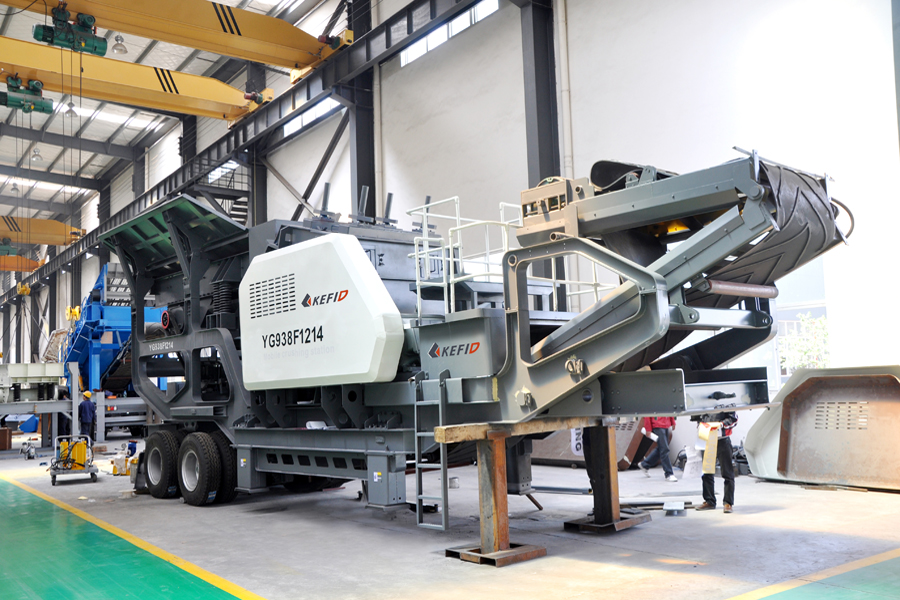
- Skills & Technology Transfer: On-site vocational training centers develop certified welders, electricians, and heavy equipment mechanics, with curricula aligned with National Skills Qualifications Framework (NSQF). Specialized training in operating and maintaining specific machinery, such as 300 TPH mobile crushers or high-pressure grinding rolls (HPGR) for hard rock, creates a skilled technical workforce.
- Critical Infrastructure Development: Mining operations often necessitate and fund enabling infrastructure that serves broader communities, including:
- Upgraded road networks using mine-spec laterite and stone base, designed for heavy loads and adopted by local governments.
- Independent power generation facilities (e.g., hybrid solar-diesel plants) that provide stable grid extensions to surrounding settlements.
- Potable water schemes sourced from treated mine process water, exceeding WHO drinking water guidelines.
- Local Content in the Supply Chain: A mandated focus on procuring goods and services from within Nigeria stimulates ancillary industries, from steel fabrication for mill liners and conveyor structures to local production of certified personal protective equipment (PPE).
Material Science Contributions to Downstream Industry
Domestic mining provides foundational materials for industrialization, reducing import dependency and fostering innovation.
- Steel & Alloy Production: Nigerian iron ore and manganese are critical for local steel production. Manganese, particularly, is essential for producing high-strength, abrasion-resistant austenitic manganese steel (AMS) used in mining equipment, railway points, and crusher jaws. Development of specific alloy grades (e.g., Hadfield steel with 11-14% Mn) supports domestic manufacturing of capital goods.
- Industrial Minerals for Manufacturing: Consistent supply of high-purity barite (meeting API 13A specifications for drilling mud), limestone for smelting flux, and kaolin for pharmaceuticals and paints creates a stable input base for diverse secondary industries, enabling in-country value addition.
The sector’s trajectory is defined by integrating extraction with environmental science and human capital development, ensuring the mineral endowment translates into permanent, positive legacies for Nigeria’s economy and its people.
Technical Excellence in Nigerian Mining: Advanced Operations and Infrastructure
The technical foundation of Nigeria's modern mining sector is built upon the systematic integration of advanced engineering, high-specification materials, and internationally benchmarked operational protocols. This focus on technical excellence directly translates to enhanced mineral recovery, operational longevity, and improved safety metrics, moving beyond artisanal methods to establish industrial-scale viability.
Core Engineering and Material Science Applications
The abrasive nature of Nigerian mineral deposits, particularly in iron ore, lead-zinc, and granite quarries, demands advanced material solutions. Critical wear components in crushing and grinding circuits are now routinely fabricated from specialized alloys.
- High-Manganese Steel (Hadfield Steel): Deployed in jaw crusher plates, cone crusher mantles, and shovel liners where extreme impact and work-hardening are required. Its unique ability to harden under pressure significantly extends service life in high-impact crushing of hard rock.
- Chrome-Molybdenum Alloys: Used in drill bits, ball mill liners, and conveyor system components subject to constant abrasion. These alloys provide superior hardness and fatigue resistance compared to standard carbon steels.
- Polyurethane and Ceramic Linings: Applied in slurry pipelines, classifiers, and cyclones to mitigate corrosion and abrasion in mineral processing plants, reducing maintenance downtime and contamination.
Operational Standards and Technical Specifications
Adherence to international technical standards ensures equipment reliability, worker safety, and product consistency. Leading operations are certified under frameworks such as ISO 9001 (Quality Management), ISO 14001 (Environmental Management), and OHSAS 18001/ISO 45001 (Occupational Health & Safety). Equipment procurement and plant design follow CE (Conformité Européenne) marking for machinery safety and IEC/EN standards for electrical systems.
The sector's technical capability is defined by specific operational parameters that underscore its industrial capacity:
| Parameter | Typical Range in Advanced Operations | Engineering Significance |
|---|---|---|
| Plant Throughput (TPH) | 100 - 1,200+ TPH | Indicates scale of material handling and processing capability, from modular plants to large-scale fixed installations. |
| Ore Hardness (Bond Work Index) | 10 - 22 kWh/t | Dictates comminution circuit design and energy requirements; higher values require more robust crushing/grinding solutions. |
| Recovery Rate Enhancement | +5% to +25% over baseline | Achieved through advanced process control, sensor-based ore sorting, and optimized flotation/gravity circuits. |
| Power Density (Processing) | 15 - 40 kW per TPH | Reflects the intensity of processing, especially in grinding and milling circuits for hard rock minerals. |
Functional Advantages of Advanced Infrastructure
- Modular and Scalable Plant Design: Enables phased capital deployment and rapid commissioning, with plants designed for specific ore characteristics and future expansion.
- Automated Process Control Systems: Utilize PLC/SCADA systems to monitor and regulate critical variables (feed rate, density, pH, particle size), optimizing yield and reducing reagent consumption.
- Precision Drilling and Blasting: Employ GPS-guided drill rigs and electronic delay detonators to achieve precise fragmentation, improving downstream crushing efficiency and reducing overall energy cost per ton.
- Integrated Bulk Material Handling: Engineered conveyor systems with automated weighing (belt scales) and sampling systems ensure accurate tonnage tracking and grade control from pit to product.
- On-Site Analytical Laboratories: Equipped with XRF (X-ray Fluorescence) analyzers and fire assay capabilities for real-time grade control, enabling rapid decision-making in the mining and processing cycle.
This technical framework ensures that Nigerian mining operations are not merely extractive but are sophisticated, process-driven industrial activities. The focus on material science, adherence to global engineering standards, and deployment of equipment with quantified performance parameters collectively underpin the sector's transition towards sustainable and economically competitive mineral production.
Building Trust Through Transparency: Compliance and Community Engagement in Nigerian Mining
Transparency in operations and rigorous compliance are not peripheral concerns but foundational engineering parameters for sustainable mineral extraction. In Nigeria, building trust requires demonstrable adherence to international technical standards and proactive, technically-grounded community engagement. This mitigates operational risk and secures the social license to operate, directly impacting long-term project viability and resource yield.
Technical Compliance as a Core Operational Function
Modern mining operations integrate compliance into their engineering design from inception. This is evidenced by:
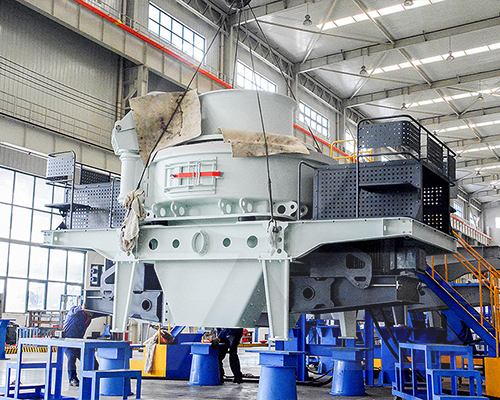
- Material and Equipment Certification: Deployment of processing plant components and wear parts (e.g., crusher liners, slurry pump impellers) manufactured from specified alloy grades (e.g., high-chrome white iron, AR400/500 steel) with valid ISO 9001 and CE markings. This ensures predictable performance, reduces failure rates, and guarantees safety margins under Nigerian ore hardness conditions (e.g., for granite, lead-zinc ores).
- Process Adherence to Environmental Protocols: Engineering controls are designed to meet or exceed Nigerian and international benchmarks. This includes water recycling circuits in processing plants to achieve >85% recycle rates, and the use of ISO 14001-certified environmental management systems to monitor tailings dam integrity and effluent quality in real-time.
- Capacity and Efficiency Reporting: Transparent reporting of actual versus designed throughput (in Tons Per Hour - TPH) for crushing and milling circuits, along with recovery rates for target minerals, provides a factual basis for regulatory and community dialogue. It shifts discourse from speculation to measurable performance.
Engineered Community Engagement: From Dialogue to Shared Infrastructure
Effective engagement moves beyond consultation to creating tangible, technically-sound value. This involves:
-
Co-developing Critical Infrastructure: Mining projects often necessitate robust infrastructure, which can be engineered for shared use.
- Power: A mine's dedicated power plant, designed for stable base-load operation (e.g., a 50MW gas-fired facility), can be configured with a grid-injection point to supply surplus, reliable power to local communities, surpassing the capacity of typical rural electrification projects.
- Water Management: Potable water treatment plants built to service the camp can be scaled with excess capacity for neighboring towns, utilizing the same WHO-standard treatment protocols.
- Geotechnical and Survey Data: High-resolution geological, hydrological, and topographic data acquired for mine planning is a valuable asset for regional agricultural and civil development planning.
-
Local Content via Technical Upskilling: Trust is built by integrating local talent into the technical core of operations. Structured programs for certifying welders to ASME IX standards for plant maintenance, training heavy equipment mechanics on CAT/AKomatsu diagnostics, and developing assay laboratory technicians create a legacy of skills transfer independent of the mine's lifecycle.
The Trust Dividend: Quantifiable Operational Benefits
A transparent, compliant operation with strong community ties realizes direct engineering and economic advantages:
| Trust Parameter | Direct Operational Impact | Technical Outcome |
|---|---|---|
| Social License to Operate | Minimized work stoppages, blockades, and vandalism. | Achieves designed annual operational hours (~7,600 hrs), protecting mill throughput and project NPV. |
| Predictable Regulatory Environment | Streamlined permit renewals for exploration, water use, and blasting. | Enables adherence to long-term mine sequencing and waste dump planning, optimizing strip ratios. |
| Local Workforce Stability | Reduced turnover of trained personnel. | Maintains high plant availability (>90%) and safety standards, as experienced operators follow SOPs. |
| Shared Infrastructure Security | Community investment in protecting assets like power lines or water pipelines. | Lowers security CAPEX/OPEX and ensures uninterrupted utility supply to the processing plant. |
Ultimately, trust built through technical transparency and engineered community benefits is a critical path item in the project execution flowchart. It de-risks the asset, ensures consistent production metrics, and aligns the mining operation's success with the sustainable development of its host region.
Frequently Asked Questions
How does Nigeria's varied ore hardness (Mohs 3-7) impact crusher selection and operational cost?
Optimal crushing requires matching machinery to the dominant hardness. For abrasive quartzite (Mohs 7), use jaw/cone crushers with high-manganese steel (Hadfield Grade 11-14% Mn) liners, heat-treated for work hardening. For softer limestone (Mohs 3), impact crushers suffice. Mismatched selection accelerates wear, causing unscheduled downtime and spiking cost-per-ton.
What are best practices for extending wear part life in high-abrasion Nigerian mining environments?
Prioritize material science. Specify wear plates and bucket teeth made from boron steel or AR400/500 steel with proper Brinell hardness. Implement strict ground-engagement monitoring to prevent excessive abrasion. Use ultrasonic thickness gauging to schedule replacements proactively, aligning with planned maintenance, not failure. This maximizes asset utilization and controls spares inventory cost.
How can we mitigate excessive vibration in heavy-duty drills and haul trucks on Nigerian mine sites?
Vibration stems from imbalance and terrain. For drills, perform laser alignment on rotary heads and dynamically balance drill strings. For haul trucks, specify OEM-approved Michelin or Bridgestone L5 tires with correct PSI for load/terrain. Routinely check cab mounts and suspension cylinder pressures. Unchecked vibration leads to premature bearing and structural fatigue failures.
What is the critical lubrication protocol for hydraulic systems in Nigeria's high-dust, high-temperature conditions?
Use high-viscosity index (VI) synthetic hydraulic oils (ISO VG 46/68) with superior thermal stability. Install desiccant breathers and pressure-vacuum valves on reservoirs. Enforce oil analysis every 250 hours, monitoring for particulate and water content. Adjust filtration to 5-micron levels. Contamination is the leading cause of pump and valve failure.
Why is bearing selection crucial for conveyor systems in Nigerian iron ore and coal operations?
Conveyors face extreme radial loads and contamination. Specify sealed, spherical roller bearings (SKF or FAG) with C4 clearance for thermal expansion. Utilize labyrinth seals and automated grease systems with lithium-complex EP2 grease. Incorrect bearing choice leads to seizure, causing belt misalignment and catastrophic system stoppage, halting downstream processing.
How do we adapt excavator hydraulic systems for optimal digging force in Nigeria's heterogeneous overburden?
Match hydraulic pressure and flow to bucket size and material density. For compacted laterite, increase system pressure to the OEM's safe maximum (e.g., 350 bar) and utilize "heavy-lift" mode. For loose sand, reduce pressure to prevent cavitation. Regularly test pump output and adjust valve spools to maintain rated crowd and breakout force.