Nestled within Kenya's rich geological landscape lies a significant yet often understated resource: talc. As a key industrial mineral with applications spanning from cosmetics to ceramics, its economic potential is substantial. However, unlocking this potential efficiently and sustainably hinges on the deployment of modern, purpose-built talc extraction equipment. Moving beyond rudimentary methods, the right machinery—from specialized crushers and mills to advanced sorting and classification systems—is paramount for maximizing yield, ensuring product purity, and enhancing operational safety. This exploration delves into the critical role of this equipment within the Kenyan context, examining how technological adoption can drive local industry growth, meet stringent quality standards for both domestic and export markets, and position Kenya as a more competitive player in the global talc supply chain.
Maximizing Talc Recovery in Kenya's Unique Geological Formations
Kenya's talc deposits, primarily hosted within the Proterozoic Mozambique Belt, present a distinct set of challenges and opportunities for recovery optimization. The geology is characterized by complex, often steeply dipping seams with variable hardness (Mohs 1-3) and significant interbedding of harder host rock like quartz and amphibolite. Maximizing yield here is not merely about volume but precision, requiring equipment engineered to separate soft talc from abrasive gangue without excessive degradation or contamination.
The cornerstone of an efficient recovery circuit is the primary crusher. Jaw crushers configured for a larger reduction ratio are critical for handling the blocky feed from selective mining. For optimal performance, specify units with:
- High Manganese Steel (Mn-14% to 18%) jaw plates with a modified tooth profile to grip slabby talc ore without slippage.
- Heavy-duty roller bearings (ISO 15 class or equivalent) to withstand shock loads from uncrushable material, a common occurrence in mixed formations.
- Hydraulic adjustment and clearing systems that allow rapid chamber evacuation and CSS resetting on-site, minimizing downtime from tramp metal or uncrushables.
Following primary reduction, effective screening is paramount to remove liberated fines and bypass abrasive gangue before secondary crushing. Trommel or heavy-duty vibrating screens with polyurethane or rubber modular panels are preferred for their resistance to abrasion and clogging. The key is a multi-stage deck configuration that removes the -10mm fraction early, protecting downstream equipment and improving overall product grade.
For secondary crushing, high-speed cone crushers are unsuitable due to their tendency to over-grind soft minerals. Instead, robust impact crushers or hammer mills with replaceable wear parts offer the necessary control. Critical specifications include:
- Alloyed chromium hammers/impact blocks (e.g., ASTM A532 Class III Type A) for extended service life against siliceous content.
- Fully adjustable grinding path to fine-tune the product size distribution, maximizing the yield of high-value, coarse flake talc.
- Quick-change wear part mechanisms to facilitate maintenance in remote site conditions.
For the final milling stage to produce filler or micronized grades, vertical roller mills (VRM) or ring roller mills outperform traditional ball mills in energy efficiency and product preservation. Their ability to separate grinding and classification within a single unit minimizes over-grinding. Essential features are:
- Ceramic-lined grinding elements to prevent iron contamination, which is critical for pharmaceutical and cosmetic-grade talc.
- Integrated dynamic classifiers with variable rotor speed for real-time particle size distribution control.
- Positive pressure grinding chambers with inert gas systems to mitigate any risk of combustion in fine powder environments.
| Circuit Stage | Critical Equipment Parameter | Geological Justification | Target Specification Range |
|---|---|---|---|
| Primary Crushing | Closed Side Setting (CSS) & Reduction Ratio | Handles variable seam thickness & blocky ore from selective mining. | CSS: 150-250mm; Reduction Ratio: 6:1 to 8:1 |
| Pre-Screening | Deck Aperture & Panel Material | Early removal of fines and hard, abrasive gangue nodules. | Top Deck: 40-60mm (grizzly); Lower Deck: 8-12mm; Polyurethane Panels |
| Secondary Crushing | Rotor Velocity & Wear Part Metallurgy | Achieves controlled size reduction without generating excessive ultra-fines. | Rotor Tip Speed: 45-55 m/s; Chromium Alloy >28% Cr |
| Fine Grinding | Grinding Pressure & Classifier Type | Produces specified micron grades while preserving lamellar structure. | Grinding Pressure: 80-120 kN/roller; High-Efficiency Turbo Classifier |
A successful operation integrates these equipment choices with a process flow that emphasizes early gangue rejection. A well-designed circuit for Kenyan talc will often incorporate a sensor-based sorting technology or a dense media separation (DMS) cyclone after primary crushing if the host rock density contrast is sufficient. This pre-concentration step can increase mill feed grade by over 30%, drastically reducing energy and wear costs in the fine grinding stages. All equipment must be certified to international mechanical and electrical safety standards (CE, IECEx for hazardous zones) to ensure operational integrity and access to financing. The ultimate goal is a system with a high throughput (TPH) that is inherently adaptable, built from components with documented mean time between failures (MTBF) that account for the abrasive reality of the deposit.
Engineered for Extreme Conditions: Durability in Harsh Kenyan Mining Environments
The Kenyan talc mining environment presents a unique set of challenges, including abrasive ore, variable seam hardness, high ambient dust loads, and remote operational locations. Equipment failure is not an option. Consequently, our extraction machinery is engineered from the ground up with material integrity and robust design as non-negotiable principles, ensuring maximum uptime and a lower total cost of ownership.
Core Material Specifications & Construction
Primary wear components, such as crusher jaws, cone mantles, screen decks, and classifier blades, are fabricated from premium abrasion-resistant (AR) steels. We specify high-grade manganese steel (Mn14 or Mn18) for high-impact zones, which work-hardens under continuous impact, increasing its surface hardness over time. For high-abrasion, lower-impact areas, we utilize alloy steel plates with a Brinell hardness rating of 400-500 HB. Critical structural frames are constructed from high-tensile steel and employ reinforced, gusseted designs to resist fatigue from constant vibration and dynamic loading. All exterior surfaces undergo a multi-stage treatment: abrasive blasting to SA 2.5 standard, followed by a zinc-rich epoxy primer and polyurethane topcoat for superior corrosion resistance against dust and moisture.
Mining-Specific Functional Advantages
- Adaptive Comminution: Jaw and cone crushers feature hydraulic adjustment and overload protection systems, allowing real-time calibration for fluctuations in feed size and talc seam hardness without downtime.
- High-Capacity, Closed-Circuit Design: Integrated crushing and screening plants are configured for optimal throughput (ranging from 50 to 300 TPH based on model), with recirculating loads designed into the system to maximize yield and particle size control.
- Intelligent Dust Mitigation: Enclosed conveyor transfers, integrated dust suppression spray bars (with dry-area water recycling options), and strategically placed cartridge filter units maintain operational efficiency and comply with environmental standards.
- Modularity & Service Access: Key sub-assemblies are designed as modular units. Generous access panels, centralized lubrication points, and tool-free inspection hatches drastically reduce mean time to repair (MTTR) for maintenance crews.
Technical Compliance & Validation
All equipment is designed and manufactured in accordance with international standards for safety and structural integrity, including ISO 9001 for quality management and relevant CE directives for machinery. Critical dynamic components, such as bearings and gearboxes, are oversized relative to calculated loads to provide a built-in safety factor, ensuring reliability under peak strain conditions. Performance metrics, including throughput capacity and power draw, are validated against standardized testing with materials of comparable abrasiveness to Kenyan talc deposits.
| Component | Material Specification | Key Property | Operational Benefit |
|---|---|---|---|
| Crusher Jaws / Liners | Austenitic Manganese Steel (Mn18) | Work-Hardening (up to 550 HB) | Self-optimizing wear life under impact; withstands tramp metal. |
| Screen Decks / Pan Feeders | Hardox 450 / AR400 Steel Plate | 450 Brinell Hardness | Extreme abrasion resistance for continuous material flow. |
| Classifier Screw & Blades | 304/316 Stainless Steel Cladding | Corrosion & Abrasion Resistance | Maintains precision in particle separation in dusty, humid conditions. |
| Main Structural Frame | S355J2 High-Tensile Steel | High Yield Strength (355 MPa min) | Resists structural fatigue from constant vibration and load stress. |
This engineered durability translates directly to operational predictability. By specifying components that exceed the demands of the local geology, we ensure that production targets are met consistently, maintenance schedules are planned rather than reactive, and equipment service life is maximized across the entire extraction circuit.
Optimizing Operational Efficiency: Advanced Technology for Higher Yield and Lower Costs
Advanced technology in talc extraction directly translates to superior mineral recovery and reduced total cost of ownership. The core principle is deploying equipment engineered for the specific mineralogy and abrasiveness of Kenyan talc deposits, which often contain varying levels of quartz and other hard gangue minerals.
Critical Technological Pillars for Efficiency:
-
Material Science for Durability: Wear is the primary adversary of efficiency. Key contact components in crushers, feeders, and classifiers must be constructed from specialized alloys.
- Primary Jaw Crusher Liners: Utilize high-grade manganese steel (Mn14, Mn18) for optimal work-hardening under impact, resisting deformation from hard inclusions.
- Screening Surfaces: Polyurethane or rubber-lined screen decks with high tensile strength and abrasion resistance significantly outperform standard steel wire, reducing blinding and increasing screening efficiency for wet or sticky ore.
- Conveyor System Components: Idlers and pulley lagging with sealed, precision bearings and ceramic or rubber armor minimize friction and wear, ensuring consistent material flow and lowering energy consumption per ton.
-
Precision Size Reduction Circuits: Moving beyond simple crushing to a configured circuit is essential for yield optimization. A typical optimized setup may include:
- A primary jaw crusher to reduce run-of-mine ore.
- A secondary cone crusher with a hydroset system for real-time adjustment of the closed-side setting (CSS), ensuring a consistent feed size for milling.
- A tertiary impact crusher or high-pressure grinding roll (HPGR) for energy-efficient production of fine feed for sorting or milling.
-
Sensor-Based Sorting & Pre-Concentration: This represents a step-change in operational efficiency. Optical or laser sorters can be deployed to reject waste gangue early in the process, based on color, reflectance, or atomic density.
- Direct Benefit: Reduces the mass fed to energy-intensive fine grinding mills by 20-40%, drastically cutting power consumption (kWh/ton) and increasing mill throughput of valuable talc.
-
Automation & Process Control: Integrating programmable logic controllers (PLCs) and supervisory control and data acquisition (SCADA) systems allows for:
- Real-time monitoring of motor amperage, bearing temperatures, and feed rates.
- Automated adjustment of crusher parameters based on load.
- Predictive maintenance alerts based on vibration analysis and thermal imaging, preventing unplanned downtime.
Technical Specifications for High-Yield Operations:
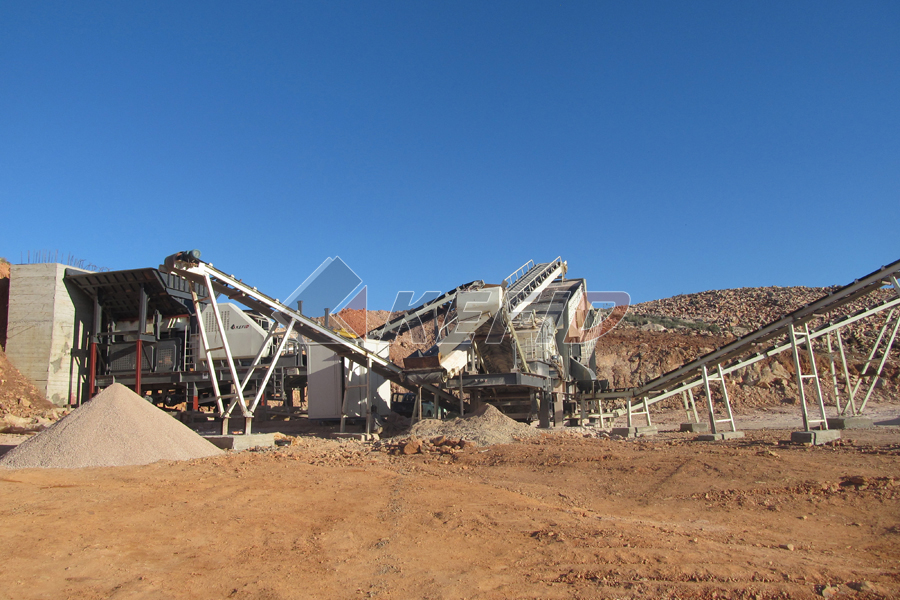
Equipment selection must be based on quantifiable parameters, not just nominal size. Key specification tables guide precise selection.
Table 1: Primary Crushing Unit - Key Selection Parameters
| Parameter | Specification Range | Operational Impact |
|---|---|---|
| Feed Opening | 750x500 mm to 1200x900 mm | Determines maximum lump size acceptance from the mine face. |
| CSS Range | 75 - 200 mm | Defines product top size; narrower setting increases reduction ratio and capacity. |
| Drive Power | 75 - 160 kW | Correlates directly with capacity (TPH) and ability to crush hard inclusions. |
| Frame Construction | Fabricated steel plate (min. 250 MPa yield strength) | Ensures structural integrity under cyclical loading and high shock forces. |
Table 2: Grinding Mill Circuit - Efficiency Factors
| Component | Critical Feature | Impact on Yield & Cost |
|---|---|---|
| Ball Mill / Raymond Mill | Liner Material (High-Cr Steel), Classifier Efficiency | Determines grind fineness, over-grinding prevention, and specific energy consumption. |
| Air Classifier | Cut Point Accuracy & Turndown Ratio | Directly controls product size distribution; precise cuts maximize in-spec yield. |
| Dust Collection | Baghouse Filter Media (PTFE coated) | >99.9% collection efficiency preserves product and ensures environmental compliance. |
Operational Verification: All integrated systems should be supported by documented compliance with international standards. Machinery must carry CE marking (for EU directives on machinery safety) or demonstrate conformity to relevant ISO standards (e.g., ISO 9001 for quality management, ISO 14001 for environmental management). Request certified test reports for wear part materials and performance guarantee figures for throughput (TPH) and product fineness.
Precision Extraction: Tailored Solutions for Kenya's Talc Quality Standards
Kenya's talc deposits, particularly from the Kurwitu and Sultan Hamud regions, present a unique mineralogical profile. The ore is characterized by a variable hardness (Mohs 1-2.5), a high natural brightness often exceeding 90%, and a critical need to minimize iron oxide contamination to meet export-grade specifications for cosmetics, pharmaceuticals, and plastics. Precision extraction is therefore not a luxury but a fundamental requirement for economic viability. This demands equipment engineered from the ground up for these specific conditions, moving beyond generic crushing and milling solutions.
The cornerstone of an effective extraction circuit is the primary jaw crusher. For Kenyan talc, a robust, manganese steel (Mn14/Mn18) jaw plate composition is non-negotiable. This material work-hardens under impact, dramatically increasing service life when processing ore with occasional harder silicate inclusions. A crusher with an adjustable eccentric throw and hydraulic setting regulation allows operators to fine-tune the closed-side setting (CSS) in real-time, optimizing the feed size (typically to -50mm) for the downstream milling stage without creating excessive fines that degrade value.
Following primary reduction, the milling circuit is where product quality is ultimately defined. Raymond Mills (Vertical Roller Mills) and Hammer Mills are common, but their configuration must be precise.
- For Raymond Mills: The grinding roller assembly must utilize alloy steel castings (e.g., ZG40Cr1MoV) with high surface hardness. The centrifugal grinding action must be paired with an integrated, high-efficiency classifier. This dynamic separator allows for precise control over particle size distribution (PSD), ensuring a consistent 200-mesh to 325-mesh output critical for industrial buyers, while rejecting oversize material for recirculation.
- For Hammer Mills: The hammer design is critical. Reversible, tungsten carbide-tipped hammers provide exponentially longer wear life compared to standard manganese hammers when processing abrasive talc. A fully lined grinding chamber with replaceable Ni-hard or chromium carbide wear plates protects the mill housing and maintains internal geometry for consistent milling efficiency.
Contamination control is a multi-point engineering challenge. Every component in contact with the ore must be evaluated.
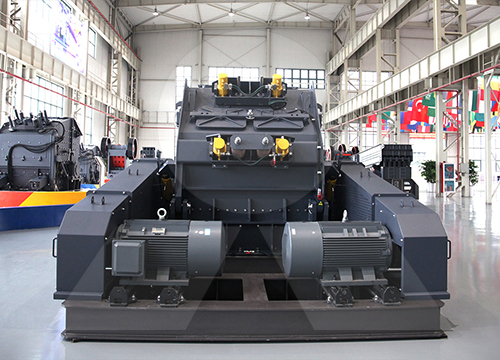
| Component | Material Specification | Functional Purpose |
|---|---|---|
| Feed Hoppers & Chutes | 304 or 316L Stainless Steel Lining | Eliminates iron staining from abrasion, critical for high-brightness talc. |
| Screw Conveyors & Augers | Hardened Steel Flighting with UHMWPE Liner | Provides wear resistance while maintaining a non-contaminating contact surface. |
| Vibrating Screen Decks | Polyurethane or Rubber Modular Panels | Provides accurate sizing without metal-on-metal wear that generates fines. |
| Mill Internals (Liners) | High-Chrome White Iron (HCWI) or Ceramic Liners | Offers superior abrasion resistance, minimizing metallic wear debris in product. |
A system's throughput (TPH) must be matched to the ore's bulk density and moisture content. Kenyan talc can be friable, leading to potential over-grinding and capacity loss if mill airflow or feed rates are not calibrated. Equipment must offer variable frequency drive (VFD) control on main motors—for the crusher, mill fan, and classifier. This allows the plant to dial in exact parameters for a specific seam's characteristics, balancing maximum throughput with stringent PSD and brightness targets. All machinery should be constructed to international mechanical standards (ISO 9001, CE marked) with documented material certificates for critical wear parts, providing operational assurance and meeting vendor qualification requirements for multinational buyers.
Technical Specifications: Robust Design and Customizable Configurations
The operational integrity of talc extraction in Kenya is contingent upon equipment engineered for the specific abrasiveness and variability of local deposits. Robustness is not a generic feature but a calculated outcome of material selection, design philosophy, and adherence to international engineering standards. Customization is the critical bridge between theoretical capacity and on-site productivity, ensuring each circuit is optimized for its unique feed material and output targets.
Core Construction & Material Specifications
Primary crushing and grinding components are fabricated from high-grade manganese steel (Mn14, Mn18) or specialized abrasion-resistant alloys. These materials undergo strict heat treatment protocols to achieve an optimal balance of surface hardness and core toughness, directly countering the silica content and abrasive wear common in Kenyan talc ore. Structural frames utilize high-tensile steel plate, with critical welds performed to ISO 3834 or equivalent standards, ensuring longevity under dynamic loading and vibration.
Mining-Specific Functional Advantages
- Ore Hardness Adaptability: Interchangeable liner profiles and adjustable crushing chambers allow a single primary jaw or gyratory crusher to handle feed hardness from 1.5 to 3.5 Mohs without compromising reduction ratio or throughput.
- Moisture & Fines Tolerance: Configurable feed hoppers, grizzly screens, and conveyor designs mitigate packing and bridging issues associated with high fines content or variable moisture levels, a common challenge in regional mining.
- Throughput (TPH) Stability: Power-matched drives and generously sized bearing assemblies are selected to maintain rated capacity (from 5 to 500 TPH based on circuit scale) under continuous, high-duty cycles, not just ideal conditions.
- Modular Plant Design: Key process modules (crushing, grinding, air classification, material handling) can be configured in a fixed, semi-mobile, or skid-mounted layout. This allows for phased capital expenditure and site adaptation to logistical constraints.
Technical Parameters for Primary Extraction Units
The following table outlines baseline specifications for core equipment, noting that all parameters are subject to customization based on deposit analysis and plant design criteria.
| Equipment Type | Model Range | Key Technical Parameter | Typical Specification Range | Customization Focus |
|---|---|---|---|---|
| Primary Jaw Crusher | JC Series | Feed Opening | 500 x 750mm to 1200 x 1500mm | Eccentric shaft speed & jaw plate geometry for optimal nip angle and capacity. |
| Impact Crusher | CI Series | Rotor Diameter & Width | Φ1000 x 1000mm to Φ1600 x 2000mm | Blow bar metallurgy (high chrome vs. ceramic composite) and number of crushing stages. |
| Grinding Mill | MTM Series | Grinding Ring Diameter | Φ850mm to Φ1900mm | Liner material profile and classifier speed for precise particle size distribution (e.g., -200 mesh for filler grade). |
| Vibrating Screen | YK Series | Screening Area | 4.5m² to 18m² | Deck configuration (single, double, or triple) and screen cloth type (wire mesh, polyurethane, rubber) for specific separation efficiency. |
All machinery complies with relevant CE marking directives for machinery safety (2006/42/EC) and incorporates ISO 9001 quality management in manufacturing. Drive systems (electric or diesel-hydraulic) are selected with appropriate IP ratings for dust and moisture protection. The ultimate configuration is derived from a detailed analysis of the client's ROM talc characteristics, required product specifications, and site-specific infrastructure.
Proven Success: Case Studies and Support for Kenyan Mining Operations
Our engineering teams have provided direct, on-site support for talc mining operations across the Narok and Kajiado regions. The primary challenge is not the softness of pure talc, but the abrasive quartz, calcite, and chlorite contaminants within the host rock, which rapidly degrade standard carbon steel components. Our solutions are engineered for this specific mineralogical profile.
Case Study: Narok County Processing Plant
- Challenge: A mid-capacity plant (25 TPH target) experienced excessive downtime. Hammer crusher wear plates and jaw crusher liners required replacement every 6-8 weeks due to silica abrasion, crippling productivity.
- Solution: Deployment of a primary jaw crusher with liners cast from Mn-steel (ASTM A128 Grade B-4, ~12-14% Manganese). This was paired with a secondary impact crusher featuring replaceable wear blocks made from high-chromium cast iron (Cr26 alloy). The circuit was completed with vibrating screens utilizing polyurethane modular panels (Shore A ~90) for precise sizing and longevity.
- Result: Wear life on critical crushing components increased to 7-9 months. Plant availability improved by 30%, consistently meeting the 25 TPH design capacity with a final product purity of 98.5% passing 200 mesh.
Technical Support & Operational Advantages
Our involvement extends beyond equipment supply to encompass lifecycle optimization. Functional advantages of our supported systems include:
- Material-Specific Wear Resistance: All comminution equipment is specified with liner and hammer alloys matched to Kenyan talc ore hardness (3-5.5 Mohs, with abrasive inclusions). We utilize Ni-hard and chromium carbide overlays for conveyor and chute systems in high-wear zones.
- Capacity-Based Engineering: Equipment is not over-specified. We design flowsheets around verified TPH (Tons Per Hour) requirements, from 10 TPH pilot setups to 100 TPH industrial plants, ensuring energy efficiency and capital expenditure justification.
- Standards-Compliant Safety & Build: All supplied machinery meets ISO 9001 for quality management and carries CE marking (where applicable), ensuring structural integrity, guard safety, and operational reliability.
- Adaptive Processing: Modular screen decks and adjustable crusher settings allow a single processing line to handle variance in feed stock from different quarry benches, maintaining product consistency.
Equipment Performance Parameters for Typical Kenyan Talc Circuit
| Component | Model Specification | Key Material / Feature | Operational Parameter for Kenyan Ore |
|---|---|---|---|
| Primary Crusher | Jaw Crusher (PE Series) | Manganese Steel Liners (14% Mn) | Feed Size: ≤400mm; Product Size: ≤100mm; Hardness Adaptability: ≤250 MPa Compressive Strength |
| Secondary Crusher | Impact Crusher (CI Series) | High-Chrome Alloy Blow Bars (Cr26) | Input Size: ≤100mm; Final Crush Size: ≤20mm; High Fines Production for Milling |
| Vibrating Screen | Linear Motion Screen | Polyurethane Screen Panels | Screening Efficiency: >90%; Mesh Size: 10-100; Excellent Anti-Blinding for Moist Material |
| Dust Control | Baghouse Filter | PTFE Filter Media | Air-to-Cloth Ratio: 1.2:1; Emission Compliance: <20 mg/Nm³ |
Localized support is provided through a Nairobi-based technical warehouse, stocking critical wear parts like crusher jaws, cone mantles, and screen panels. This reduces lead time for maintenance from months to days. We conduct annual operational audits for key clients, reviewing wear rates, throughput data, and safety protocols to recommend incremental optimization, ensuring the sustained profitability of the mining asset.
Frequently Asked Questions
What are the optimal wear part replacement cycles for talc crushers in Kenya?
For jaw crusher liners in talc (Mohs 1), use AR400 steel for 600-800 operational hours. Hammer mill hammers require high-chrome alloy (Cr26) replacement every 300-400 hours due to abrasive silica content. Monitor wear via laser profiling and schedule replacements based on throughput drop of 15%, not just time.
How should equipment be adapted for varying talc ore hardness and impurity levels?
Talc deposits often contain quartz (Mohs 7). Configure jaw crushers with hydraulic adjustment for a 20-150mm closed-side setting. For abrasive ore, retrofit secondary cone crushers with manganese steel (Mn14Cr2) mantles and set hydraulic pressure relief to 180-200 bar to handle sporadic hard inclusions without stalling.
What vibration control measures are critical for talc milling equipment?
Install shear rubber mounts (e.g., LORD Corporation) under ball mills, ensuring natural frequency is 30% above operational RPM. For classifiers, use dynamic vibration absorbers tuned to 1200-1500 CPM. Monthly laser alignment checks on motor couplings are mandatory to prevent resonant fatigue cracks in support structures.
What are the specialized lubrication requirements for talc processing machinery?
Talc dust ingress is the primary failure mode. Use sealed-for-life bearings (SKF or Timken) with ISO VG 320 extreme-pressure grease containing molybdenum disulfide. For hydraulic systems in excavators, specify HLP 68 oil with a dedicated 10-micron filtration loop and maintain oil cleanliness to ISO 18/16/13.
How to optimize energy efficiency in talc grinding circuits?
Replace standard motors with IE4-class high-efficiency models. For Raymond mill circuits, adjust classifier speed to maintain 85% of product at 200 mesh. Install VFDs on fan drives to reduce power draw by 25% during softer ore processing. Regularly inspect grinding ring and shovel tip clearance.
What are the key maintenance protocols for hydraulic systems in talc mining excavators?
Implement condition-based monitoring: sample hydraulic fluid monthly for particle count and viscosity. Use HYDAC or Parker filters. Set main relief valve pressure to 90% of pump maximum (e.g., 280 bar for a 310-bar pump). Replace all hydraulic hoses on a 2-year cycle due to UV degradation from high-altitude sun.