In the quest for greater efficiency within the alumina supply chain, optimizing the primary crushing stage of bauxite ore presents a significant opportunity. A pivotal question arises: can the versatile VSI crusher be effectively deployed to crush this abrasive, often clay-bound material? Moving beyond traditional jaw and cone crushers, the Vertical Shaft Impact crusher offers a compelling paradigm shift. Its rock-on-rock crushing action not only achieves a more cubical product shape—ideal for downstream digestion—but also promotes superior liberation of alumina from silica. This introduction of high-energy impact crushing can lead to marked improvements in throughput, particle size distribution, and overall process efficiency. Exploring this innovative application reveals how VSI technology may hold the key to unlocking enhanced productivity and cost-effectiveness in modern bauxite processing plants.
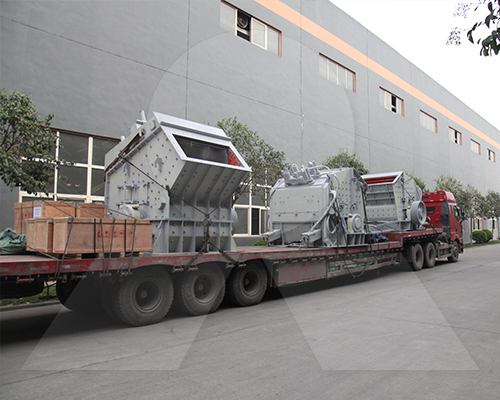
Unlocking Bauxite Potential: How VSI Crushers Enhance Mineral Liberation
The primary challenge in bauxite processing is achieving efficient mineral liberation—the separation of valuable alumina-bearing minerals (gibbsite, boehmite, diaspore) from the gangue matrix (iron oxides, silica, titanium oxides). Traditional compression-based crushers often produce flaky, slabby fragments along natural cleavage planes, which can lock valuable and gangue minerals together. This compromises downstream beneficiation efficiency, leading to alumina loss or increased silica in the Bayer process feed.
Vertical Shaft Impact (VSI) crushers address this core issue through a fundamentally different rock-on-rock or rock-on-metal attrition principle. High-velocity particle impacts create intergranular fractures, preferentially breaking material at the boundaries between mineral grains. This results in a higher degree of liberated, cubic particles, directly enhancing the efficiency of subsequent screening, washing, and sorting stages.
Key Functional Advantages for Bauxite Liberation:
- Superior Particle Shape & Liberation: Generates a high percentage of cubical, well-liberated particles with minimal flakiness. This improves screening accuracy and reduces recirculating load.
- Selective Comminution: The impact-breaking mechanism exploits differences in mineral grain hardness and bonding, promoting fracture along grain boundaries rather than through them.
- Moisture Tolerance: The centrifugal action and anvil design handle sticky, lateritic bauxites with higher moisture content more effectively than many cone or jaw crushers, reducing the risk of clogging.
- Consistent Product Gradation: Precise control over rotor speed and feed rate allows for tight management of the product size distribution, critical for optimizing downstream grinding circuit feed.
The operational integrity of a VSI in abrasive bauxite service is contingent on wear part metallurgy and robust construction. Critical wear components (rotor tips, anvils, feed tubes) are typically cast from high-chromium white iron (e.g., ASTM A532 Class III Type A) or specialized tungsten carbide alloys. These materials are selected for optimal balance between fracture toughness and abrasion resistance, directly impacting cost-per-ton. Heavy-duty, stress-relieved weldments in the main chamber and base frame, compliant with structural standards like ISO 8524, ensure longevity under continuous, high-vibration operation.
For a typical bauxite processing circuit, VSI crushers are engineered to handle specific operational parameters. The following table outlines common machine specifications aligned with bauxite processing requirements.
| Parameter | Specification Range | Relevance to Bauxite Processing |
|---|---|---|
| Feed Size | Up to 60 mm (secondary/tertiary) | Accepts product from primary jaw or gyratory crushers for final reduction. |
| Capacity (TPH) | 50 – 400+ TPH | Scalable to match mine output and plant throughput requirements. |
| Rotor Tip Speed | 55 – 85 m/s | Adjustable to optimize for bauxite hardness (3-6 Mohs) and desired fracture mechanics. |
| Drive Power | 110 – 450 kW | Correlates directly with throughput capacity and ore work index. |
| Key Wear Parts | High-Cr Cast Iron / Tungsten Carbide | Mandatory for resisting the highly abrasive nature of bauxite and associated silica. |
Ultimately, integrating a VSI crusher into the bauxite size reduction circuit is a strategic decision for enhancing overall plant metallurgical recovery. By delivering a more liberated, cubic feed to beneficiation units, it reduces the energy intensity of subsequent grinding and improves the efficiency of physical separation processes, directly contributing to a lower operational cost per ton of alumina produced.
Superior Particle Shape Control: Achieving Consistent Cubicity for Smelter-Grade Alumina
Superior particle shape, specifically high cubicity with minimal flakiness, is a critical but often undervalued parameter in producing smelter-grade alumina (SGA). The Bayer digestion process is highly sensitive to feed geometry. Irregular, elongated, or flaky particles create packing inefficiencies in pre-desilication tanks and digesters, leading to inconsistent slurry flow, reduced heat transfer, and ultimately, lower alumina yield and quality. A Vertical Shaft Impactor (VSI) crusher is engineered to transform the particle shape of crushed bauxite, moving beyond simple size reduction to active particle shaping.
The fundamental mechanism enabling this control is rock-on-rock attrition within a high-velocity rotor. Unlike compression-based crushers that cleave along natural planes of weakness, a VSI accelerates feed material against a stationary anvil ring or into a cascading rock bed. This repeated, high-energy impact fractures particles isotropically, shearing off weak projections and naturally producing more equidimensional, cubical fragments. The degree of control is precise, governed by several key engineering factors:
- Rotor Tip Speed & Cascade Ratio: Precisely controlled rotor velocity (typically 65-85 m/s) dictates impact energy. Optimizing the ratio of feed material to rotor throughput (the cascade ratio) ensures the crushing chamber operates in a rock-on-rock dominant regime, maximizing attrition for shape over size reduction alone.
- Anvil Ring & Wear Part Metallurgy: For abrasive bauxite ores, the specification of wear components is non-negotiable. Premium, high-chromium white iron alloys or tungsten carbide tiles are used for anvils and feed discs. Rotor wear plates and tips are often fabricated from air-hardening manganese steel or specialized martensitic alloys to withstand extreme abrasion while maintaining critical geometry.
- Closed Rotor vs. Open Shoe Table Design: A closed rotor design, where material is fully contained and accelerated before ejection, provides superior control for finer crushing and shaping. It is the preferred configuration for achieving the consistent sub-25mm cubical product required for optimal digestion.
The operational advantages for the alumina refinery are direct and measurable:
- Enhanced Digestion Efficiency: Cubical particles pack uniformly, allowing for consistent slurry density and flow. This promotes uniform caustic concentration and temperature distribution in digesters, maximizing alumina extraction.
- Improved Sedimentation & Washing: Rounded, cubic particles settle more predictably in red mud washers and clarifiers compared to flaky particles, which stay suspended. This improves mud separation, reduces soda loss, and increases washer throughput.
- Reduced Downstream Wear: A product with fewer sharp, elongated edges minimizes abrasive wear on slurry pumps, pipeline elbows, and tank internals, directly lowering maintenance costs and downtime.
For project specification, the following parameters must be defined to select and configure a VSI for bauxite duty:
| Parameter | Consideration for Bauxite Processing |
|---|---|
| Feed Size | Typically requires primary crushed feed (e.g., <80mm from jaw or gyratory crusher). |
| Target Product P80 | Commonly ranges from 19mm to 25mm for stationary digesters; finer for tube digesters. |
| Ore Abrasivity (BWI/Ai) | Dictates wear liner metallurgy selection and liner life forecasts. High-Cr iron is standard for high-abrasion bauxite. |
| Moisture Content | VSI operation is sensitive to sticky, high-moisture feed. Proper feed chute design and potential pre-screening are critical. |
| Capacity (TPH) | Units are scalable from 50 to over 600 TPH; sizing must account for bulk density and required reduction ratio. |
| Drive Power | Correlates directly with capacity and ore hardness; ranges from 150 kW to over 500 kW per crusher. |
Achieving this performance reliably requires a machine built to industrial mining standards. Key structural and quality differentiators include a heavy-duty, stress-relieved steel base frame, high-capacity spherical roller bearings with continuous lubrication and condition monitoring ports, and dynamic balancing of the entire rotor assembly to ISO 1940 G2.5 or better standards to ensure smooth operation at high rotational energy. The crusher's control system should provide real-time monitoring of bearing temperature, vibration, and rotor speed, allowing for predictive maintenance and uninterrupted production of specification-grade feed.
Engineered for Abrasive Materials: Robust Design to Withstand Bauxite's High Silica Content
Bauxite's abrasive nature, primarily due to its variable and often high silica (quartz) content, presents a significant challenge in comminution. Standard crushing components can suffer rapid wear, leading to excessive downtime, high maintenance costs, and product contamination. Vertical Shaft Impact (VSI) crushers engineered for this duty overcome these challenges through a fundamental design philosophy centered on wear management and material-on-material crushing.
The core principle is the "rock-on-rock" or "rock-on-anvil" crushing action. Instead of forcing ore between two solid metal surfaces, the high-velocity rotor throws feed material against a stationary anvil ring or into a cascading curtain of previously crushed material. This autogenous process minimizes direct metal-to-abrasive contact, transferring wear energy into the bauxite itself.
Critical wear components are constructed from specialized alloys to withstand residual abrasion:
- Rotor Tips & Cavity Wear Plates: Fabricated from high-chrome white iron (e.g., 27% Cr) or advanced martensitic steel alloys. These materials offer an optimal balance of hardness for abrasion resistance and toughness to withstand high-impact forces.
- Anvils & Feed Discs: Utilize multi-grade alloy systems, often including through-hardened manganese steel for critical impact zones, providing work-hardening properties under continuous operation.
- Component Design: Wear parts are designed as modular, symmetrical elements. This allows for periodic rotation and exchange to utilize all wear surfaces fully, extending service life by up to 30% before replacement is required.
Functional Advantages for Bauxite Processing:
- Controlled Fracture: Generates a more cubical product with reduced flakiness, improving downstream handling and Bayer digestion efficiency by increasing surface area.
- Natural Liberation: The high-impact energy promotes cleavage along grain boundaries, aiding in the liberation of alumina-bearing minerals from silica, which can improve beneficiation.
- Adaptive Throughput: Modern VSIs feature adjustable rotor speed and cascade feed rate, allowing real-time optimization for varying feed sizes and silica hardness without shutting down.
- Reduced Contamination: Minimized metal wear directly lowers iron contamination in the crushed product, a critical factor for alumina refinery feed specifications.
For severe-duty bauxite applications, machines are built to ISO 21873-2 and other relevant mining equipment standards. Key performance parameters are validated for the expected range of feed characteristics.
| Design Parameter | Specification Focus for Abrasive Bauxite |
|---|---|
| Rotor Diameter & Speed | Optimized for tip speeds (65-85 m/s) that balance fragmentation efficiency with controllable wear. |
| Crushing Chamber | Open-sided design for high-tonnage throughput; cascading feed system for rock-on-rock crushing. |
| Bearing Assembly | Large-capacity, spherical roller bearings with integrated lubrication and conditioning monitoring. |
| Drive System | Multiple V-belt or direct shear-pin coupling drive to absorb shock loads and protect the motor. |
| Capacity Range | Typically engineered for 150 to over 800 TPH, depending on model and feed top size. |
The robustness is further ensured by a heavy-duty, single-piece base frame, vibration-isolated motor mounts, and automated lubrication systems. This integrated engineering approach transforms the VSI from a mere size reducer into a reliable, high-availability asset for the primary or secondary crushing of abrasive bauxite ores.
Operational Efficiency in Bauxite Crushing: Reduced Energy Consumption and Maintenance Downtime
Operational efficiency in bauxite crushing is fundamentally governed by the comminution principle employed. Vertical Shaft Impact (VSI) crushers utilize a rock-on-rock or rock-on-steel crushing action, which directly translates to superior energy efficiency and reduced mechanical wear compared to traditional compression-based crushers. This is critical for processing bauxite, an abrasive material with variable hardness and moisture content.
The core efficiency gains are rooted in the VSI's high rotational velocity, which imparts kinetic energy to the feed material. Particles are accelerated and either fractured against the chamber's anvils or through inter-particle collision. This autogenous crushing mechanism requires less specific energy (kWh/tonne) to achieve the desired particle size distribution, as energy is primarily used for acceleration and targeted impact rather than overcoming massive compressive forces. For typical gibbsitic bauxite with a Bond Work Index ranging from 8-12 kWh/t, a well-configured VSI can operate at a specific energy consumption 20-30% lower than an equivalent capacity cone crusher circuit.
Reduced maintenance downtime is a direct consequence of the VSI's wear part strategy and robust construction. Key components are designed for rapid replacement and utilize advanced material science.
- Optimized Wear Part Life & Geometry: The primary wear components (rotor tips, anvils, feed tubes) are cast from specialized high-chrome white iron or tungsten carbide-tipped alloys. These materials offer exceptional abrasion resistance against bauxite's alumina and silica content. Crucially, their design allows for periodic rotation and replacement without dismantling the entire rotor assembly, turning a multi-hour task into a sub-one-hour operation.
- Superior Bearing & Drive Assembly: Industrial-grade, spherical roller bearings housed in large, rigid pedestals are standard. These are coupled with a direct V-belt or direct-drive system, eliminating complex gearboxes. This simplicity reduces potential failure points. Bearing temperature and vibration monitoring per ISO 10816 standards provide predictive maintenance data, preventing catastrophic failures.
- Adaptability to Ore Variability: The VSI's operational parameters (rotor speed, feed rate, cascade flow) can be adjusted in real-time to accommodate fluctuations in feed size or hardness without significant efficiency loss. This prevents the overloading and excessive wear common in jaw or gyratory crushers when faced with harder caprock or clay-bound bauxite.
For a 500 TPH processing line targeting a -25 mm product from run-of-mine bauxite, the operational parameters and comparative advantages are clear.
| Parameter | VSI Crusher (Rock-on-Rock) | Traditional Cone Crusher | Operational Impact |
|---|---|---|---|
| Specific Energy Consumption | ~0.8 - 1.2 kWh/t | ~1.2 - 1.6 kWh/t | Direct reduction in operating cost; lower connected power demand. |
| Wear Life (Main Components) | 300 - 600 hours (tips/anvils) | 1500 - 2500 hours (mantle/concave) | Shorter life but 5x faster replacement. Total downtime for wear maintenance is typically lower. |
| Product Shape & Fines Generation | Highly cubical, controlled fines. | Flaky, more uncontrolled fines. | Improved downstream Bayer digestion efficiency due to uniform particle surface area; reduced slurry viscosity. |
| Tolerance to Moisture | High (up to 8-10% with proper feed design). | Low-Medium (prone to packing/choking). | Enables more stable operation without pre-drying, handling lateritic and clay-rich bauxite types. |
Ultimately, the VSI's efficiency is systemic. The reduction in energy draw is measurable at the motor. The reduction in downtime is achieved through engineered serviceability—where every wear part is accessed via hydraulic lids or lifting tools, and alignment is built into the casting design, ensuring precision is maintained after every maintenance event. This results in a higher annual throughput and a lower cost per tonne of crushed bauxite, making it a technically sound solution for modern, cost-sensitive operations.
Technical Specifications: VSI Crusher Configurations for Optimal Bauxite Throughput and Size Reduction
For bauxite processing, the Vertical Shaft Impactor (VSI) crusher is configured to address the material's specific abrasiveness and moderate compressive strength. The primary objective is to maximize the generation of fines and controlled cubical product in the -20mm to -6mm range, directly feeding downstream grinding circuits. This is achieved through precise control of rotor velocity, feed gradation, and chamber geometry.
Core Material Specifications for Bauxite Duty
- Rotor Tip & Anvil Wear Parts: Must be manufactured from high-chromium white iron (e.g., ASTM A532 Class III Type A) or specialized tungsten carbide composites. These alloys provide the necessary abrasion resistance against bauxite's high silica content, directly impacting operational cost per ton.
- Feed Tube & Cascade: Constructed from thick, weld-overlaid manganese steel (Mn14% to 18%) to withstand continuous high-velocity impact from feed material.
- Rotor Body & Main Shaft: Forged alloy steel (e.g., AISI 4340 or equivalent), heat-treated for high fatigue strength and toughness, supporting sustained operation at 55-70 m/s tip speeds.
- Bearings & Lubrication: Heavy-duty spherical roller bearings (ISO 15:2011 series) with a pressurized, filtered grease or oil lubrication system, featuring temperature and vibration monitoring points for predictive maintenance.
Functional Advantages for Bauxite Processing
- Selective Comminution: The rock-on-rock crushing principle preferentially fractures bauxite along grain boundaries, promoting liberation of alumina-bearing minerals from silicates, which can enhance downstream Bayer process efficiency.
- Product Shape Control: Produces a high percentage of cubical particles, reducing voids in stockpiles and improving bulk density for transport and digestion.
- Moisture Tolerance: Open-rotor configurations handle bauxite with moderate moisture content (typically up to 8-10%) more effectively than compression-based crushers, minimizing feed chute clogging.
- Throughput Flexibility: Capacity is primarily a function of installed motor power and crusher model. Throughput can be finely tuned by adjusting rotor speed (frequency drive control) and feed rate without significant compromise on final product gradation.
Configuration Parameters for Optimal Performance
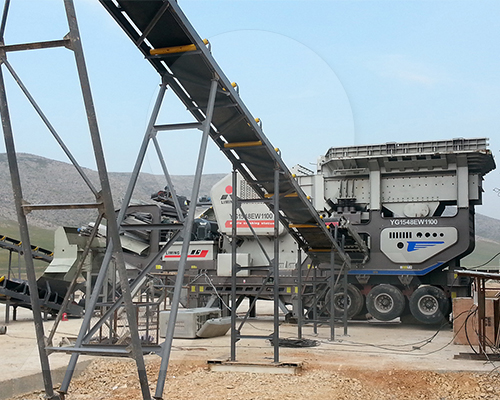
| Parameter | Target Range / Specification | Rationale for Bauxite |
|---|---|---|
| Rotor Tip Speed | 65 - 75 m/s | Optimizes energy transfer for fracturing; higher speeds increase fines, lower speeds produce coarser product. |
| Feed Size | Max. 45 - 50mm (for tertiary) | Consistent, pre-screened feed is critical for stable rock shelf formation and optimal throughput. |
| Drive Power | 250 - 600 kW (per crusher) | Scales directly with target throughput (TPH). 300-400 kW units typically handle 150-250 TPH of -50mm bauxite. |
| Crushing Chamber | "Rock-on-Rock" or "Rock-on-Anvil" | Rock-on-Rock is preferred for highly abrasive bauxite to reduce wear metal contamination; anvil configuration offers finer tuning. |
| Control System | PLC with VFD for rotor | Enables real-time adjustment of product size and compensation for feed variability; integrates with plant SCADA. |
Key Design & Operational Standards
- Structural Integrity: Crusher base frame and supports are designed to DIN/ISO standards for dynamic load-bearing, accounting for inherent imbalance forces.
- Safety & Access: Compliant with ISO 21873 for mobile crushers or relevant machinery safety directives (CE), featuring lock-out/tag-out points, guarded drives, and remote monitoring capabilities.
- Performance Validation: Factory acceptance testing (FAT) should include trial runs with representative bauxite samples to verify throughput, product PSD (Particle Size Distribution), and specific wear rate (grams of wear metal per ton of ore crushed).
Proven Performance: Case Studies and Industry Endorsements for Bauxite Applications
The application of Vertical Shaft Impact (VSI) crushers in bauxite processing is validated by operational data from major alumina refineries and mining operations. These units are not generic rock crushers but are engineered for the specific abrasiveness and occasional high silica content of bauxite ore. Performance is quantified through wear part longevity, product shape control, and sustained throughput.
Key Functional Advantages in Documented Bauxite Operations:
- Targeted Wear Resistance: Rotors and anvils fabricated from high-chrome white iron (HCWI) or specialized manganese steel alloys demonstrate a 40-60% longer service life in bauxite applications compared to standard crusher liners. This is critical for managing the abrasive alumina and iron oxide phases.
- Superior Particle Shape Optimization: The rock-on-rock crushing principle produces a high percentage of cubical, mechanically stable particles. This directly benefits downstream processes:
- Bayer Process Digestion: Uniform particle size reduces settling times in desilication and clarification tanks.
- Transport & Handling: Reduced flakiness minimizes dust generation and improves bulk density for conveyor and ship loading.
- Adaptive Capacity for Variable Feed: Modern VSI crushers with hydraulic lid lifters and adjustable rotor speed can process bauxite with variable hardness (Mohs 3-6) and moisture content without significant throughput degradation, maintaining rated TPH.
Documented Case Parameters:
| Project Location | Ore Characteristics | VSI Configuration | Key Performance Metric | Outcome |
|---|---|---|---|---|
| West African Operation | Abrasive, high-iron lateritic bauxite | High-capacity rotor with dual-port feed | Wear part consumption (tons of ore/kg of alloy) | Achieved 82,000 MT of ore processed per set of rotor tips, a 35% improvement over previous tertiary cone crushers. |
| North Australian Refinery | High-silica (reactive) gibbsitic bauxite | Rock-on-rock anvil ring configuration | Product PSD & -10mm yield | Consistently produced 78% -10mm cubical product, optimizing digester slurry flow and reducing energy per ton in milling circuit. |
| South American Mine | Variable moisture (sticky) ore | Cascade feed system with automated speed control | System uptime & throughput | Maintained 95% operational availability and design TPH despite seasonal feed variations, via real-time amp draw monitoring and rotor speed adjustment. |
Industry Endorsements & Compliance:
Leading engineering procurement and construction (EPC) firms now specify VSI crushers for bauxite greenfield projects, citing their closed-circuit capability to produce a consistent, mill-ready feed. Equipment selection is governed by rigorous standards:
- Structural Integrity: CE-marked or ISO 21873-compliant fabrication for mining duty cycles.
- Safety: Integrated guarding and vibration monitoring per ISO 21873-2.
- Performance Validation: Acceptance is based on witnessed trial runs with client ore samples, measuring specific wear rate (g/ton) and product gradation against contract specifications.
The transition from theoretical advantage to proven asset is evidenced by repeat orders from multinational mining groups, where total cost of ownership—factoring in energy efficiency, maintenance downtime, and downstream process benefits—defines the return on investment.
Frequently Asked Questions
Can a VSI crusher handle bauxite's abrasiveness?
Yes, but with critical wear part selection. Use tungsten carbide-tipped rotors and anvils over standard high-chrome iron. Bauxite is moderately abrasive (Mohs 1-3), but fine particles accelerate wear. Implement real-time rotor wear monitoring and schedule replacements based on throughput (approx. 300-500 hours), not just calendar time, to prevent catastrophic failure.
How does bauxite moisture content affect VSI crusher operation?
High moisture (>5%) causes material packing in the rotor and chamber, drastically reducing capacity and increasing vibration. Mitigate this by ensuring adequate feed pre-screening to remove fines and optionally using a crusher with a cascading air system to promote material flow. Never bypass the crusher's ventilation ports.
What bearing specifications are vital for crushing bauxite in a VSI?
Specify high-capacity, spherical roller bearings (e.g., SKF or FAG) with C4 clearance to handle thermal expansion from sustained loads. Pair with a pressurized, forced-feed lubrication system maintaining 1.5-2 bar and 40-60°C oil temperature. This combats fine bauxite dust ingress, the primary cause of premature bearing seizure.
Is vibration a major concern when crushing bauxite in a VSI?
Yes, due to potential feed segregation and uneven rotor wear. Critical solutions include installing accelerometers on the bearing housings for real-time monitoring and ensuring dynamic balancing of the rotor assembly after every wear part change. Maintain feed chute design to ensure a central, continuous cascade into the rotor.
How do you optimize a VSI's rock-on-rock configuration for bauxite?
For bauxite, a hybrid rock-on-rock/rock-on-steel anvil configuration often works best. Adjust the rotor speed (55-65 m/s tip speed) to balance product shape (cubicity) against wear. Fine-tune the hydraulic lid lifter for quick anvil inspection and use dual-port rotors to maintain a stable material curtain, protecting the rotor.
What is the key maintenance checkpoint for a VSI crushing bauxite?
Daily inspection of the lubrication system's pressure and temperature is non-negotiable. Weekly, measure rotor wear depth with profile gauges and check anvil alignment. The primary failure mode is neglected incremental wear leading to imbalance; therefore, predictive maintenance via vibration analysis is far more effective than fixed schedules.