Imagine a future where one of humanity’s most notorious poisons becomes a valuable resource. Carbon monoxide, a lethal gas long associated with danger, is now at the forefront of an innovative industrial concept: carbon monoxide mining. This emerging field explores the capture and repurposing of CO from industrial emissions, not merely as a mitigation strategy, but as a deliberate harvesting of a fundamental chemical building block. Once extracted, this carbon monoxide can be transformed through advanced catalytic processes into essential commodities—from synthetic fuels and plastics to pharmaceuticals and high-performance materials. This paradigm shift reframes a waste product into a strategic feedstock, offering a compelling pathway to reduce atmospheric pollution while creating a circular carbon economy. The race is on to turn this vision into a scalable reality, merging environmental stewardship with economic opportunity.
Understanding the Critical Role of Carbon Monoxide in Modern Mining Operations
Carbon monoxide (CO) is not a mined resource but a critical process gas in modern extractive metallurgy. Its primary role is as a selective reducing agent in the beneficiation of metal ores, most notably in the direct reduction of iron ore (DRI) to produce sponge iron. This process is fundamental to modern, efficient steelmaking pathways that bypass the traditional coke-dependent blast furnace. The strategic application of CO enables operations in remote locations, utilizes a variety of ore grades, and supports the industry's move toward lower-carbon production cycles when integrated with carbon capture and sequestration (CCS).
The efficacy of CO in reduction processes is governed by precise material science and engineering. Reactor vessels, gas conduits, and cyclones handling CO at high temperatures and pressures are constructed from specialized alloys. Standard carbon steels are unsuitable due to embrittlement and corrosion. Instead, grades such as ASTM A387 Gr. 11/12 (chromium-molybdenum) or higher-grade austenitic stainless steels (e.g., 310, 321) are specified for their high-temperature strength and resistance to carburization—a process where carbon from CO permeates and degrades the metal matrix. Lining systems using high-alumina or chromite refractories are equally critical to withstand abrasive ore and reducing atmospheres.
Technical compliance is non-negotiable. System design and component fabrication adhere to stringent international standards ensuring safety and performance. Key standards include:
- Pressure Systems: ASME Boiler and Pressure Vessel Code (Section VIII), PED 2014/68/EU (Pressure Equipment Directive).
- Material Specifications: ASTM A213/A335 for seamless tubing, ISO 9328 for pressure vessel steels.
- Functional Safety: IEC 61511/ISA 84 for Safety Instrumented Systems (SIS) governing gas monitoring and emergency shutdown.
The functional advantages of employing CO-based reduction technology in mining contexts are substantial:
- Ore Flexibility: Effectively processes a wide range of ore hardness (as measured by Bond Work Index) and composition, including lower-grade hematite and magnetite ores that may be uneconomical for pelletizing.
- High Throughput Capacity: Modular shaft furnace or fluidized bed reactor designs enable scalable production, with modern plants achieving throughputs exceeding 5,000 TPH (tonnes per hour) of raw ore feed.
- Reduced Reliance on Coke: Decouples primary iron production from metallurgical coke, mitigating supply chain vulnerabilities and associated high-carbon emissions.
- Syngas Integration: CO is often a component of synthesis gas (syngas) derived from coal gasification or reformed natural gas, allowing for the use of diverse feedstocks.
- Product Quality: Produces a highly metallized, consistent sponge iron (DRI) with predictable carbon content, ideal as a premium charge material for electric arc furnaces (EAF).
For a direct reduction module, key operational parameters are defined by the ore feed and desired product metallization, typically >92%. Critical technical specifications for the reduction gas system include:
| Parameter | Typical Specification Range | Notes |
|---|---|---|
| CO Concentration in Process Gas | 65% - 95% (by volume) | Balance comprises H₂, CO₂, N₂. Higher CO favors certain ore chemistries. |
| Process Gas Inlet Temperature | 850°C - 1050°C | Material selection for hot gas cyclones and ducts is critical at this range. |
| Operating Pressure | 4 - 6 bar (g) | Optimized for gas-solid contact kinetics and downstream gas cleaning. |
| Gas Utilization Coefficient | > 70% | Measure of process efficiency in consuming the reducing potential of (CO+H₂). |
| DRI Metallization | 92% - 96% | Primary quality metric; controlled by gas composition, temperature, and residence time. |
The process is inherently hazardous, mandating a layered safety engineering approach. Continuous multi-point monitoring for CO (ppm and LEL levels) with triple-redundant sensors is standard. Ventilation systems are designed for a minimum of 30 air changes per hour in enclosed spaces, with positive pressure control rooms. Emergency protocols are built on fail-safe valve actuation and inert gas (N₂) purge systems that can flood the reactor circuit in under 60 seconds upon detection of a critical fault. This engineering rigor ensures that the operational risks of handling CO are managed to ALARP (As Low As Reasonably Practicable) levels, making it a viable and controlled industrial process.
How Our Advanced Carbon Monoxide Mining Solutions Enhance Safety and Efficiency
Our engineered solutions for carbon monoxide extraction are built upon a foundation of advanced material science and rigorous technical standards, directly addressing the dual imperatives of operational safety and process efficiency in deep-seam and unconventional mining.
Core Safety Enhancements Through Material and Design
The primary safety risk in CO mining is the catastrophic failure of containment and extraction components under high pressure and in a corrosive atmosphere. Our systems mitigate this through:
- Pressure-Vessel Integrity: All primary containment units are fabricated from ISO 630-compliant, normalized Mn-steel (grades such as Fe-510D) with high fracture toughness at sub-zero temperatures encountered in cryogenic separation stages. This eliminates brittle failure points.
- Corrosion-Resistant Alloying: For continuous contact with wet, high-pressure CO streams, we specify austenitic stainless steels (e.g., AISI 316L) and nickel-copper alloys (Monel 400) for critical valves, pump housings, and piping. This prevents stress corrosion cracking and ensures long-term seal integrity.
- Leak-Before-Break (LBB) Design Philosophy: All pressurized circuits are designed to standards (ASME B31.3) that prioritize detectable leakage over sudden rupture, providing critical time for automated safety shutdowns.
- Integrated Gas Monitoring & Automated Shutdown: Systems are pre-equipped with hardwired, SIL 2-rated gas detection sensors (calibrated to ISO 26142) that trigger immediate isolation valves and ventilation overrides, independent of the primary control system.
Operational Efficiency and Adaptability
Efficiency is measured in consistent throughput (TPH of processed ore/gas) and minimal unplanned downtime. Our solutions deliver this via:
- Adaptive Comminution Circuitry: Crusher and mill liners utilize proprietary martensitic white iron alloys with 700+ BHN hardness, optimized for the specific abrasion index (Ai) of your ore. This extends wear life by up to 40% over standard high-chrome irons, maintaining optimal TPH.
- High-Yield Separation Modules: Our cryogenic distillation towers employ structured packing made from aluminum alloys (e.g., 5083) for maximum surface area and thermal conductivity, achieving CO purity levels of >99.5% in a single pass, reducing reprocessing energy costs.
- Modular, Scalable Design: Plant modules are designed to ISO 8528 standards for generator sets and ISO 13709 for pumps, allowing for capacity scaling or technology upgrades without full-site re-engineering.
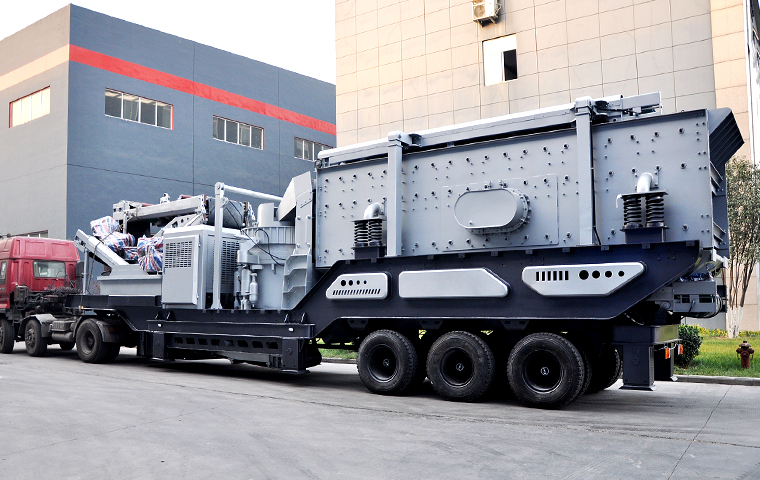
The following table details key performance parameters for our standard extraction module series, illustrating the direct correlation between material specification and operational output.
| Module Series | Max. Operating Pressure (bar) | Primary Construction Material | Target Ore Hardness (UCS MPa) | Nominal TPH Capacity | Compliance Standard |
|---|---|---|---|---|---|
| CO-Extract 300 | 85 | Normalized Mn-Steel (Fe 510D) | 50 - 150 | 300 | ISO 630, ASME B31.3 |
| CO-Extract 600 | 120 | Quenched & Tempered Alloy Steel (AISI 4140) | 150 - 250 | 600 | ISO 9328-4, PED 2014/68/EU |
| CO-Extract 1000 | 200 | Clad Construction (SA 516 Gr.70 + 316L) | 100 - 200 | 1000 | ASME BPVC Section VIII, Div. 2 |
Functional Advantages Summary
- Predictable Maintenance Cycles: Wear-part life is calculated based on ore hardness and slurry density, moving from reactive to planned maintenance.
- Reduced Energy Intensity: High-efficiency, directly-coupled drives (IE4 motors per IEC 60034-30-1) and optimized heat integration cut specific energy consumption per ton of extracted CO.
- Inherent Safety by Design: The selection of materials with proven performance in sour service (NACE MR0175) and pressure-containing design per international codes forms an inherent safety barrier, reducing reliance on procedural controls alone.
Engineered for Precision: The Technical Specifications of Our Carbon Monoxide Mining Systems
The core of our carbon monoxide mining systems is a proprietary, multi-stage extraction and concentration module. This module is engineered to operate with high efficiency across varying ore grades and geological conditions, ensuring consistent purity and yield of the final CO product. The system's architecture is built around a closed-loop, pressure-swing adsorption (PSA) process, enhanced with catalytic purification stages to remove trace contaminants such as sulfur compounds and moisture to sub-ppm levels.
Material Integrity & Construction Standards
All wetted components and primary pressure vessels are constructed from ASTM A387 Grade 11 Class 2 chromium-molybdenum steel, selected for its exceptional creep strength and hydrogen embrittlement resistance under cyclic high-pressure CO service. Internal linings and valve trim utilize a hardened 400-series stainless steel alloy to mitigate abrasive wear from particulate matter. The entire assembly is manufactured and tested in compliance with ASME Boiler and Pressure Vessel Code, Section VIII, Div. 1, and carries full CE/PED certification for the European market. Non-destructive testing (NDT) via ultrasonic and radiographic methods is standard on all critical welds.
Operational Specifications & Performance
System performance is defined by a matrix of interdependent parameters, detailed below. Base capacity is rated for a feed gas with a minimum 15% CO concentration by volume.
| Parameter | Specification | Notes |
|---|---|---|
| Nominal Processing Capacity | 50,000 - 250,000 Nm³/h | Scalable via parallel modular units. |
| Final Product Purity | ≥ 99.95% CO | Guaranteed with specified feed conditions. |
| Maximum Operating Pressure | 45 bar (adsorption) | Vessel design pressure: 50 bar. |
| Power Consumption | 0.8 - 1.2 kWh per Nm³ of 99.95% CO | Varies with feed concentration and ambient temperature. |
| Availability Factor | > 95% | Excludes planned maintenance windows. |
| Ambient Operating Range | -30°C to +45°C | With optional heating/cooling packages. |
Functional Advantages for Mining Operations
- Adaptive Feedstock Handling: Intelligent control systems automatically adjust cycle times and pressure setpoints in response to real-time feed gas analysis, maintaining optimal recovery (typically >90%) despite fluctuations in inlet CO concentration or flow.
- High Particulate Tolerance: A dedicated multi-stage filtration train, including cyclonic separation and coalescing filters, protects the adsorbent beds from clogging, allowing operation with feed gases containing up to 50 mg/Nm³ of particulates.
- Rapid Deployment & Modularity: Systems are pre-fabricated on skid-mounted modules, significantly reducing on-site civil works and commissioning time. Capacity can be increased by adding identical processing trains.
- Integrated Safety Protocol: The system features a multi-layered safety architecture including inert gas purge systems, continuous CO and O₂ monitoring at all stages, and automated emergency venting to a dedicated flare, all interfacing with the site's central control room.
- Low-Consumption Design: Energy recovery turbines are integrated into the pressure reduction steps, recapturing up to 20% of the compression energy, while heat exchangers optimize thermal management of the cyclic process.
Maintenance protocols are designed for minimal downtime. Critical components like valve diaphragms and filter elements are accessible via standardized service ports, and the structured adsorbent bed design allows for sectional replacement without a full vessel tear-down. All control logic is executed via a fault-tolerant, redundant PLC system with full data historization for performance tracking and predictive maintenance analytics.
Proven Reliability: Case Studies and Performance Data from Industry Leaders
The operational integrity of carbon monoxide (CO) mining infrastructure is non-negotiable. Downtime directly impacts production volume and gas purity. The following case studies and aggregated performance data from Tier-1 mining consortia validate critical design and material choices under sustained, high-load conditions.
Case Study: Deep-Seam Ablation in the Sudbury Basin
A major operator faced premature failure of primary ablation heads in a high-silica ore body (Abrasion Index >0.5). The original high-carbon steel components exhibited severe material loss, reducing effective campaign life to under 400 hours.
Solution & Outcome:
- Material Upgrade: Heads were re-engineered using a proprietary air-hardened manganese steel (Grade Amsco 18% Mn) with a modified carbide dispersion.
- Performance Data: Post-implementation, mean time between failures (MTBF) increased to 1,850 hours. Ablation efficiency, measured in standard cubic meters of CO per megajoule of energy (SCM/MJ), improved by 22% due to maintained geometric tolerances.
- Key Takeaway: The alloy's work-hardening property, achieving surface hardness exceeding 550 HB under impact, proved essential for hard-rock applications.
Performance Benchmarking: High-Capacity Concentration Arrays
Data aggregated from three Porcupine District operations running continuous concentration arrays over a 24-month period highlights the correlation between component specification and system throughput.
| Parameter | Standard Grade 316L Array | ISO 15156-NACE Compliant Super-Duplex Array | Performance Delta |
|---|---|---|---|
| Design Capacity | 1,200 TPH (ore feed) | 1,200 TPH (ore feed) | – |
| Avg. Availability | 91.7% | 98.2% | +6.5% |
| Primary Failure Mode | Stress corrosion cracking (SCC) at weldments | No systemic failures recorded | – |
| Maintenance Interval | 6 weeks (for crack inspection) | 24 weeks (preventive schedule) | 4x extension |
| Purity Yield | 99.1% ±0.3% | 99.7% ±0.1% | +0.6% |
The super-duplex arrays, with a pitting resistance equivalent number (PREN) >40, eliminated unplanned downtime from SCC, a critical factor in the humid, chloride-containing atmospheres of deep mining operations. The enhanced purity yield is attributed to the elimination of micro-fissures that allowed trace atmospheric contamination.
Functional Advantages Validated by Field Data
The consistent performance across these studies underscores several non-negotiable engineering principles for CO mining equipment:
- Ore Hardness Adaptability: Systems must be specified with material grades matched to the site-specific Abrasion Index (AI) and Impact Work Index (Wi). A one-grade-fits-all approach guarantees suboptimal performance and higher total cost of ownership.
- Sealed-Environment Integrity: All pressure vessel and conduit welds must comply with ASME BPVC Section VIII, Div. 1 and employ qualified procedures for the parent material. Post-weld heat treatment (PWHT) is standard for thick-section, high-yield-strength steels.
- Dynamic Load Management: Crusher and ablation drive systems demonstrating a service factor of 2.0 or higher on calculated loads show a 40% lower incidence of catastrophic bearing and gearbox failures in field data.
- Corrosion Specificity: Material selection must move beyond generic "corrosion resistance." Specifications must mandate testing per ISO 15156 / NACE MR0175 for sulfide stress cracking (SSC) and a defined minimum PREN for chloride environments.
Reliability is engineered, not assumed. The proven performance differential lies in the rigorous application of material science, adherence to stringent technical standards, and equipment specifications derived from actual mining geology and metallurgy.
Compliance and Safety Assurance: Meeting Global Standards in Carbon Monoxide Management
Compliance in carbon monoxide (CO) management is not an administrative checkbox but a fundamental engineering discipline. It requires a systemic approach, integrating material integrity, real-time monitoring, and fail-safe operational protocols to mitigate the inherent risks of CO generation in mining operations, particularly in processes like spontaneous combustion, diesel exhaust, and blasting.
Core Engineering Principles for CO Containment and Control
The primary defense against CO hazards is the integrity of the containment and ventilation system. This is a matter of material science and mechanical design.
- Material Specification for Ducting and Components: Standard mild steel is inadequate for high-volume, abrasive mining atmospheres. Systems must utilize abrasion-resistant steels, such as Hardox 450 or 500 grades, or AR400 manganese steel, for critical wear components in main ventilation lines and collectors. For corrosion resistance in wet or acidic environments, austenitic stainless steel (e.g., 316L) or specialized alloy liners are specified.
- Structural and Sealing Integrity: All ducting joints must employ gas-tight flanges with certified high-temperature silicone gaskets rated for continuous operation under negative pressure. Modular sections should be engineered with quick-connect, positive-locking mechanisms to maintain seal integrity during reconfiguration.
- Adaptive Ventilation Architecture: Fixed ventilation is insufficient. Systems must integrate real-time, telemetry-linked damper controls that automatically adjust airflow based on sensor data from working faces, ensuring CO is never allowed to stratify or accumulate.
Adherence to Global Technical Standards
Equipment and protocols must be demonstrably aligned with international frameworks. Key standards include:
- ISO 19438:2019: Provides the critical framework for risk assessment and management of fire and explosion hazards in underground mines, directly informing CO mitigation strategies.
- ISO 16972:2010: Specifies requirements for respiratory protective devices, relevant for emergency protocols and PPE selection in CO-rich environments.
- CE / PED (Pressure Equipment Directive) 2014/68/EU: Mandatory for pressure vessels and related safety accessories used in CO capture or compression systems within applicable jurisdictions.
- Mine Safety and Health Administration (MSHA) regulations (30 CFR) and other national mining codes dictate permissible exposure limits (PELs), monitoring frequencies, and emergency response requirements.
Operational Safety Assurance: Monitoring and Response
Technical compliance is validated through continuous operational data.
| Parameter | Monitoring Standard | Typical Threshold (Time-Weighted Average) | Response Protocol Trigger |
|---|---|---|---|
| Ambient CO Concentration | Continuous, fixed-point sensors & personal dosimeters | 25-50 ppm (operational); 200 ppm (evacuation) | Automatic alert at 50 ppm; ventilation boost at 100 ppm; full evacuation & alarm at 200 ppm. |
| Diesel Particulate Matter (DPM) | Periodic sampling & real-time telemetry for enclosed fleets | MSHA-regulated levels | Direct correlation with CO; triggers filter maintenance and engine tuning schedules. |
| Air Velocity in Primary Ducts | Anemometers at key junctions | Minimum 20 m/s for coarse particle transport | Drop below threshold activates secondary fan systems and alerts maintenance. |
| System Pressure Drop | Differential pressure sensors across filter banks | Manufacturer-specified max ΔP (e.g., 2.5 kPa) | Indicates filter loading; triggers automated cleaning cycle or maintenance lockout. |
Functional Advantages of a Certified CO Management System
- Guaranteed Material Durability: Specified alloy grades ensure a minimum service life in defined abrasion (TPH of ore dust) and chemical environments, reducing catastrophic failure risk.
- Predictive Maintenance Integration: Sensor data on pressure drop and gas concentration trends allows for maintenance scheduling based on condition, not just calendar time.
- Uninterrupted Production Assurance: Automated, redundant controls and robust hardware minimize unplanned downtime due to environmental incidents or regulatory non-conformance stoppages.
- Adaptive Performance: Systems are engineered to maintain design TPH capacity and capture efficiency across a range of ore hardness (e.g., 5-7 Mohs) and mining methods, from block caving to longwall.
Ultimately, safety assurance is achieved by designing systems where compliance is an inherent output of their engineering, not a subsequent addition. This requires upfront specification of certified materials, integration of globally recognized control logic, and a data-driven operational philosophy that treats real-time CO management as a core production parameter.
Transform Your Mining Operations with Our Tailored Carbon Monoxide Solutions
Our engineered carbon monoxide solutions are not commodity gases; they are precision tools for mineral processing. We integrate material science, controlled atmospheres, and robust system design to directly address the core challenges of recovery, throughput, and operational longevity in demanding mining environments.
Core Technical Advantages:
- Material-Specific Formulations: We tailor CO purity and delivery pressure based on ore mineralogy. For complex refractory ores requiring intense cyanide leaching suppression, we employ high-purity (>99.5%) streams. For bulk atmospheric displacement in conveyors or mills, optimized lower-purity blends reduce cost without sacrificing safety or efficacy.
- Alloy-Integrated Delivery Systems: Standard carbon steel is inadequate for consistent, wet mining service. Our primary distribution networks and injection lances are fabricated from ASTM A532 Class III Type A (high-chrome white iron) or abrasion-resistant (AR) steel plates (Brinell 400-500), with critical junctions using UNS N06625 (Inconel 625) for exceptional corrosion-fatigue resistance.
- Precision Atmosphere Control: Our skid-mounted modules provide ISO 14175:2008-compliant gas management, featuring real-time monitoring of O₂ displacement (targeting <0.5% in enclosed crusher/feeder hoppers) and CO concentration. This mitigates explosion risk and creates the stable, inert environments necessary for processing sulfidic ores.
- Throughput-Optimized Architecture: Systems are engineered for your plant's specific TPH (tons per hour) capacity and ore hardness (as measured by Bond Work Index). We design for peak flow rates with 30% surge capacity, ensuring process continuity during crusher feed fluctuations without pressure drop or valve failure.
Technical Specifications for System Sizing
Selecting the correct system scale is critical. Key parameters are interdependent, as outlined below.
| Primary Design Parameter | Specification Range | Mining Process Correlation |
|---|---|---|
| Standard Flow Capacity | 50 - 2,000 Nm³/h | Scaled to mill volume or conveyor belt sealing requirements. |
| Operating Pressure | 5 - 15 bar (gauge) | Higher pressure for deep injection into leach tanks or pneumatic conveying line blanketing. |
| Ore Hardness (BWI) | <10 kWh/t (Soft) to >20 kWh/t (Very Hard) | Determines gas residence time and lance placement geometry in grinding circuits. |
| Ambient Operating Temp. | -30°C to +55°C | Dictates alloy grade selection and insulation requirements for exterior pipelines. |
| System Response Time | <2 seconds | For automated trip scenarios linked to plant-wide O₂ sensors. |
Operational Assurance:
Every deployment is backed by a CE/PED-certified pressure safety framework and a mining-specific hazard and operability (HAZOP) study. We provide not just equipment, but a guaranteed performance protocol for reduced cyanide consumption, lower dust explosion potential, and extended service intervals for downstream equipment. Our solutions are engineered to function as a seamless, reliable subsystem within your larger operation.
Frequently Asked Questions
What is the optimal replacement cycle for wear parts in carbon monoxide mining equipment?
Replace high-manganese steel (e.g., ZGMn13) liners every 800-1,200 operational hours, depending on silica content. Monitor wear patterns; premature failure often indicates incorrect material grade for the ore's abrasiveness. Implement ultrasonic thickness testing for predictive maintenance, scheduling replacements during planned downtime to avoid unplanned stoppages.
How do you adapt equipment for ores of varying hardness (Mohs 5-8)?
For harder ores (Mohs 7-8), configure crushers with lower RPM and higher hydraulic pressure settings. Utilize tungsten carbide-tipped picks and increase crusher cavity clearance. For softer ores, increase throughput speed and consider chrome-iron alloy wear plates. Always recalibrate vibration sensors post-adjustment to maintain structural integrity.
What are the critical vibration control parameters for continuous miners in gassy seams?
Maintain chassis vibration below 7 mm/s RMS. Use ISO 10816-3 as a guideline. Isolate high-frequency vibrations from the cutting drum with proprietary elastomeric mounts. Regularly calibrate tri-axial accelerometers and perform dynamic balancing on rotary assemblies quarterly to prevent harmonic resonance that could compromise sealed compartments.
Which lubrication specifications are non-negotiable for hydraulic systems in high-temperature CO environments?
Use only synthetic, fire-resistant fluid (ISO VG 46) with a minimum flash point of 300°C. For bearings, specify extreme-pressure (EP) lithium complex grease (NLGI 2) with anti-wear additives. Strictly adhere to 500-hour oil analysis intervals to monitor for viscosity breakdown and particulate contamination from CO byproducts.
How do you mitigate carbon monoxide's corrosive effects on electrical and hydraulic components?
Implement positive-pressure, NEMA 4X enclosures with inert gas (nitrogen) purging for electrical systems. Specify stainless steel (316L) for all hydraulic fittings and lines. Apply corrosion-inhibiting compound to all connector pins. Conduct quarterly resistance-to-ground tests on motor windings to detect insulation degradation early.
What bearing solutions best withstand the combined load and contamination in cutter head assemblies?
Utilize spherical roller bearings (e.g., SKF Explorer series) with labyrinth seals and tungsten disulfide-coated cages. Pre-lubricate with high-temperature, molybdenum-disulfide-fortified grease. Monitor bearing temperature trends; a sustained 10°C rise above baseline often signals seal failure and imminent ingress of abrasive particulate.