In the dynamic world of industrial logistics and bulk material handling, the outdoor conveyor belt stands as a silent yet indispensable workhorse. Far more than a simple piece of machinery, it is the robust artery of countless operations—from mining and quarrying to agriculture and construction. Engineered to withstand the relentless challenges of sun, rain, wind, and temperature extremes, these specialized systems move mountains of raw materials with unwavering efficiency. They transform vast landscapes, seamlessly connecting extraction points to processing plants or transport hubs over impressive distances. This exploration delves into the critical engineering, durable materials, and innovative designs that empower these outdoor conveyors to deliver reliability and cost-effective performance, ensuring the continuous flow that drives global industry forward under the open sky.
Built to Withstand Harsh Elements: The All-Weather Durability of Our Outdoor Conveyor Belt
The operational integrity of an outdoor conveyor system is defined by its belt's resistance to environmental degradation and mechanical stress. Our belts are engineered from the compound up to function as a permanent asset in exposed mining, quarrying, and bulk handling applications, where downtime from belt failure is not an option.
Core Material & Construction Philosophy
The belt's endurance originates in its carcass and cover compounds. We utilize high-tensile strength steel cord (ST) or premium woven fabric (EP) carcasses, treated with adhesion promoters and cured under precise heat and pressure to prevent ply separation. The critical innovation lies in the cover compound, a proprietary blend based on specially formulated polymers.
- Ultra-Violet (UV) & Ozone Resistance: Standard rubber degrades, cracks, and loses elasticity when exposed to solar radiation and atmospheric ozone. Our compound incorporates anti-oxonants and UV stabilizers at the molecular mixing stage, creating a protective barrier that maintains cover flexibility and tensile strength over decades of sun exposure.
- Thermal Stability: Engineered to perform across a spectrum of -40°C to +70°C. The polymer formulation prevents hardening and brittleness in extreme cold, which can lead to impact damage and poor troughing. In high heat, it resists softening and premature wear, maintaining dimensional stability.
- Hydrolytic Resistance: In high-moisture and salt-laden environments (e.g., coastal ports), moisture ingress can degrade carcass fibers. Our fabric treatments and rubber impregnation processes create a hydrophobic barrier, protecting the critical tension members from hydrolytic breakdown.
Engineered for Mining-Specific Abrasion & Impact
Durability against the material being conveyed is as critical as weather resistance. Our belts are built to handle high TPH capacities of abrasive ores like taconite, copper ore, and overburden.
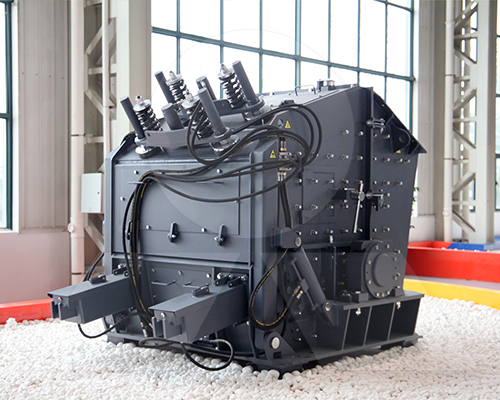
| Cover Grade | Abrasion Loss (mm³) DIN 53516 | Typical Application | Key Ore Hardness (Mohs) |
|---|---|---|---|
| Class X | ≤ 90 | Primary crusher feed, heavy-duty overburden | 6-7 (Granite, Basalt) |
| Class Y | ≤ 120 | Run of Mine (ROM), secondary crushing circuits | 5-6 (Iron Ore, Gabbro) |
| Class W | ≤ 150 | Stockpiling, transfer points for processed aggregates | 4-5 (Limestone, Coal) |
- Impact Resistance: Reinforced with impact bars or breaker fabrics in the load zone, the belt carcass is protected from cutting and gouging by large, sharp feed material. This design prevents premature carcass rupture and extends belt life at transfer points.
- Rip & Tear Propagation Resistance: Integrated transverse steel weft or aramid reinforcement provides inherent rip resistance, localizing damage and allowing for detection before catastrophic longitudinal tearing occurs.
Certification & Performance Assurance
Design is validated through independent testing. Our manufacturing process and final products comply with:
- ISO 15236-1: For steel cord conveyor belts, governing cord adhesion, tensile strength, and fatigue life.
- ISO 283: For textile conveyor belts, covering full-width tensile strength and elongation.
- CE Marking (EN 14973): For underground and outdoor safety, ensuring compliance with EU health, safety, and environmental standards.
- Fire Resistance Ratings (MSHA, RMA): Critical for outdoor applications where welding or hot work occurs nearby, preventing belt ignition.
The result is a belt system with a predictable, extended service life that reduces total cost of ownership by minimizing unplanned stoppages, spillage from edge damage, and frequent replacement cycles. Its performance parameters are calculable, allowing for precise integration into your site's material flow plan.
Maximizing Productivity in Open-Air Operations: How Our Belt Enhances Material Handling Efficiency
Open-air material handling presents a unique set of challenges that degrade standard conveyor belts, leading to unplanned downtime and reduced throughput. Our engineered belt solutions are designed to withstand these environmental and operational extremes, directly translating to higher productivity and lower total cost of ownership. The core of this performance lies in advanced material science and purpose-built engineering.
Core Engineering for Harsh Environments
The belt’s capability is defined by its carcass and cover. We utilize high-tensile strength steel cord (ST) or rugged fabric (EP) carcasses, engineered for minimal elongation under high tension and impact. This ensures stable, consistent tracking and load support over long centers. The critical differentiator is the proprietary compound of the top cover, which is fortified with abrasion-resistant rubber and specific additives for:
- UV & Ozone Resistance: Prevents cracking and hardening from prolonged sun exposure.
- Hydrolytic Stability: Resists degradation from moisture, humidity, and precipitation.
- Wide Temperature Tolerance: Maintains flexibility in sub-zero conditions and integrity in high heat.
Material-Specific Performance: Handling Aggressive Ores
For mining and heavy quarrying, standard rubber is insufficient. Our belts feature specialized covers integrated with hard, wear-resistant materials to match the material being conveyed.
| Ore/Aggregate Type | Recommended Cover Grade | Key Property & USP |
|---|---|---|
| Sharp, Abrasive Iron Ore, Taconite | Mn-Steel Reinforced | Embedded manganese steel plates or rods provide extreme cut/gouge resistance, outlasting standard rubber by 5-8x in high-impact loading zones. |
| Heavy, Sharp Granite, Copper Ore | AR (Abrasion Resistant) Grade | High-density rubber compound with a 15-20 mm³ Abrasion Loss index (ISO 4649) for optimal balance of wear life and cost for highly abrasive materials. |
| Heavy-Duty General Mining, Overburden | X (Extra Thick) Grade | Covers up to 40mm thick absorb high-impact energy from large lumps, protecting the carcass integrity. |
| Wet, Corrosive Materials | Oil & Chemical Resistant | Compound formulated to resist swelling and deterioration from moisture and acidic/alkaline conditions. |
Technical Specifications Driving Efficiency
Productivity is measured in reliable Tons Per Hour (TPH) capacity. Our belts are manufactured to exacting international standards (ISO 15236 for steel cord, ISO 283 for fabric) and carry CE marking where applicable, ensuring predictable performance. Key parameters include:
- High TPH Capacity: Engineered for belt speeds exceeding 5 m/s and tensions over 8000 N/mm (ST6300-ST10000), enabling massive volumetric throughput.
- Superior Rip & Tear Resistance: Integrated transverse and longitudinal breaker fabrics or steel cord wefts prevent small penetrations from propagating into catastrophic belt failures.
- Optimized Load Support: Impact bars and tailored troughability ensure clean material containment and center loading, reducing spillage and cleanup downtime.
- Fire Resistance & Anti-static Properties: Compliant with global standards like DIN 22103 for underground and surface safety.
The result is a system component that eliminates a primary point of failure. By specifying a belt engineered for the specific material hardness, environmental conditions, and duty cycle of your operation, you achieve maximized running hours, reduced energy consumption from consistent tracking, and a definitive increase in overall material handling efficiency.
Engineered for Extreme Loads: The Structural Integrity That Supports Heavy-Duty Applications
The structural integrity of an outdoor conveyor belt for extreme loads is defined by its carcass. This engineered core, not the cover, is the primary load-bearing element, responsible for absorbing the impact energy of heavy, coarse materials and maintaining dimensional stability under high tension. For severe-duty applications like primary crushed ore or overburden handling, a steel cord (ST) carcass is the industry standard. The highest-performance belts utilize open-cord construction with high-tensile steel wires, typically with a tensile strength grade of ST 6300 to ST 10000 (N/mm), impregnated with a specialized rubber compound for optimal adhesion and corrosion resistance. This creates a singular, flexible steel beam capable of supporting the longest centers and highest tensions.
Functional Advantages of the Engineered Carcass:
- Impact & Tear Resistance: Multi-ply fabric belts for heavy loads employ high-modulus, low-elongation fabrics like EP (Polyester warp/Nylon weft) or solid-woven fabrics. Critical impact zones are reinforced with breaker fabrics or steel-cord reinforced breaker strips, strategically placed between the carcass and top cover to dissipate energy and prevent ply separation.
- Rip & Gouge Protection: The top cover compound is a critical wear component. For extreme abrasion from iron ore, taconite, or sharp limestone, compounds with a high percentage of natural rubber and specially processed, high-hardness fillers are engineered to resist cutting and tearing while maintaining cold flexibility.
- Load Support & Troughability: The carcass's intrinsic rigidity and the precision of its fabrication determine its ability to form a consistent, deep trough. This is essential for maximizing volumetric capacity (TPH) and preventing material spillage. The belt's mechanical fastening or vulcanized splice must restore 100% of the original carcass strength to maintain this integrity at its most vulnerable point.
- Longitudinal Stability: High-tensile steel cords or low-elongation fabric plies ensure minimal permanent stretch under load. This maintains proper tensioning, prevents slip at the drive pulley, and is critical for systems employing regenerative braking, where the belt acts as a power transmission medium.
For quantifiable specification, the belt's performance is governed by its rated working tension, which is a direct function of carcass strength and safety factor (typically 7:1 to 10:1 for steel cord mining belts). Key parameters include:
| Parameter | Specification Range | Application Note |
|---|---|---|
| Carcass Type | Steel Cord (ST), EP Fabric, Solid Woven | ST for primary crushers, mainline haulage; EP for secondary circuits, high-impact transfer. |
| Tensile Strength | ST 6300 to ST 10000+ (N/mm); EP 800 to 2500 (N/mm) | Selection based on conveyor horsepower, center distance, and peak load. |
| Top Cover Thickness | 12mm to 25mm+ | Thickness scaled to lump size, abrasivity (e.g., Mohs scale), and required service life. |
| Cover Compound Abrasion Loss | ≤ 90 mm³ (DIN 53516) | Lower values indicate superior abrasion resistance for highly abrasive ores. |
| Minimum Pulley Diameter | 1000mm to 1800mm+ | Dictated by carcass construction to avoid fatigue failure from bending over pulleys. |
Compliance with international standards such as ISO 15236 (for steel cord belts) and ISO 14890 (for fabric belts) verifies the manufacturing and testing protocols. These standards ensure consistent performance in metrics like cord-to-rubber adhesion, belt conductivity, and fire resistance (MSHA, RMA). The final design is a system-level calculation, balancing tension ratings, impact forces from specified lump sizes, and the idler roll diameter to ensure the belt's structural integrity is matched to the total dynamic load profile of the application.
Technical Specifications: Materials and Design Features for Long-Term Outdoor Performance
Core Materials for Extreme Environments
The primary failure modes for outdoor belts are cover degradation, carcass fatigue, and fastener/joint failure. Material selection is therefore non-negotiable.
- Carcass Fabric & Steel Cord: High-tensile strength polyester (EP) or polyamide (NN) fabrics provide dimensional stability and impact resistance. For heavy-duty mining applications (e.g., overburden, primary crushed ore), steel cord (ST) reinforcement is standard. Cords are manufactured from high-carbon, drawn steel wire (typically 0.25-0.40% carbon content) with a tensile strength exceeding 3500 N/mm². A brass or zinc plating is applied for corrosion inhibition and optimal rubber adhesion.
- Top & Bottom Cover Compounds: Standard natural rubber (NR) and styrene-butadiene rubber (SBR) blends are insufficient for sustained outdoor duty. Compounds must be engineered for:
- Abrasion Resistance: Measured per ISO 4649 or DIN 53516. For hard, sharp ores (taconite, copper ore), covers with a high percentage of synthetic polybutadiene rubber (BR) and specially processed, high-structure carbon blacks are required. Abrasion loss should not exceed 90 mm³ in the DIN Abrasion test for severe duty.
- Weather & Ozone Resistance: Saturated polymer backbones (e.g., EPDM, Halogenated Butyl Rubber) are compounded with anti-ozonants and UV stabilizers (e.g., hindered amine light stabilizers) to prevent cracking and hardening.
- Temperature Tolerance: Operational range must be specified. For cold regions (-40°C to +50°C), neoprene (CR) or specially plasticized NR compounds maintain flexibility. For high-heat areas (up to +80°C material temperature), heat-resistant compounds based on EPDM or SBR with low sulfur vulcanization systems are critical to prevent reversion and cover softening.
- Edge Construction & Sealing: Molded, vulcanized edges are superior to cut edges. A dense, compacted rubber edge strip, often integrated with a transverse weave fabric, resists delamination and moisture ingress into the carcass.
Structural Design Features for Reliability
Design transcends material selection, focusing on load management and longevity.
- Impact Zone Reinforcement: The first 3-6 meters following the loading point require specialized design. This includes:
- Impact Bars: Vulcanized rubber bars, oriented transversely, to absorb kinetic energy.
- Deeper Cushion: A thicker, softer rubber layer (Shore A hardness ~55°) under the top cover.
- Breaker Fabrics: One or more layers of high-modulus fabric (e.g., aramid, high-density polyamide) between the cover and carcass to distribute point loads and prevent cord rupture in steel cord belts.
- Rip & Tear Detection: Integrated sensor loops (steel cord or conductive fabric) are vulcanized between the top cover and carcass at regular intervals (e.g., every 100-200 mm). A rupture in the belt creates an open circuit, triggering an immediate shutdown.
- Training & Tracking: A straight-warp or full-width, longitudinally oriented fabric ply (often polyamide) in the bottom section provides high lateral rigidity, promoting natural tracking and resisting belt wander, which is critical for long, outdoor overland conveyors.
Key Performance Parameters & Standards
Specifications must be contractually defined and verified.
| Parameter | Specification Standard | Critical Consideration for Outdoor Mining |
|---|---|---|
| Minimum Pulley Diameter | ISO 15236 (Steel Cord), ISO 283 (Fabric) | Dictated by steel cord diameter or fabric ply bending fatigue. Undersizing causes premature cord breakage. |
| Full-Thickness Tensile Strength | ISO 283 (Fabric), ISO 7622 (Steel Cord) | Rated in N/mm. Must be calculated with ample safety factor for start-up torque and regenerative loads on decline conveyors. |
| Adhesion Strength | ISO 252 (Ply Adhesion), ISO 8094 (Steel Cord) | Ensures system integrity. Values <8 N/mm for fabric or <25 N/mm for steel cord indicate manufacturing defects. |
| Fire Resistance | ISO 340 (Flame Propagation), EN 14973 (Mining) | Mandatory for underground; prudent for outdoor coal handling to prevent belt-borne fire spread. |
| Electrical Conductivity | ISO 284 (Static) | Essential for hazardous areas to dissipate static charge, typically requiring a surface resistivity <300 MΩ. |
Mining-Specific Engineering Adaptations
- High TPH & Lump Size: Belt width and speed are calculated using CEMA or ISO 5048 methodologies, considering cross-sectional load profile and impact forces. For lump sizes >300 mm, the belt’s transverse rigidity and impact system are the limiting factors, not merely tensile strength.
- Corrosive Materials (e.g., Salt, Acidic Ore): Specially formulated cover compounds with high halobutyl rubber content or thermoplastic polyurethane (TPU) covers provide chemical resistance. Steel cords require extra-thick brass plating or alternative coatings.
- Steep Incline & Chevron Design: For angles beyond 22°, molded cleats or profiled chevrons are integrally vulcanized. The base belt must have exceptional flexibility to conform to small pulleys, often necessitating a fabric carcass even for high-strength applications.
Proven Reliability in Real-World Conditions: Case Studies and Industry Applications
Case Study 1: High-Abrasion Iron Ore Overland System, Pilbara Region, Australia
A 2.4km overland conveyor system transports crushed iron ore (Bond Work Index >14 kWh/t) from primary crusher to processing plant. The critical challenge was severe, continuous abrasion from sharp, high-density ore combined with 24/7 operation and high ambient temperatures.
- Belt Specification: The solution utilized a 1200mm wide, ST-5000 steel cord belt with a 30mm top cover of specially formulated, high-tensile rubber compound. The compound is reinforced with a proprietary blend of synthetic polymers and anti-ozonants for cut and gouge resistance.
- Material Science Application: The belt's carcass is engineered for high longitudinal rip resistance, a critical failure point under impact from large, sharp ore fragments. The steel cord adhesion system exceeds ISO 7622 standards, ensuring splice integrity under dynamic load fluctuations.
- Performance Data: The system operates at 3,200 TPH with a belt speed of 4.5 m/s. After 36 months of continuous operation, top cover wear measured less than 3mm, validating the compound's abrasion resistance (tested per ISO 14890). The system's mean time between failures (MTBF) for the belt itself exceeds 28,000 hours.
Case Study 2: Extreme-Temperature Lignite Handling, Power Plant, Eastern Europe
This application involves a network of conveyors transporting raw lignite from open-pit mines to boiler bunkers. Operational extremes include ambient temperatures from -25°C to +45°C, combined with the abrasive and mildly corrosive nature of wet lignite.
- Belt Specification: A multi-ply, fabric-reinforced belt with an EPN 1000/4 construction was selected. The key innovation is its temperature-optimized compound, which maintains flexibility and impact resistance across the full range. The bottom cover uses a low-friction, non-stick formulation to prevent material buildup on return idlers.
- Technical Standard Compliance: The belt is certified to DIN 22102 for fire resistance and antistatic properties, critical for indoor sections of the conveyor route. Its cold-temperature performance is validated per ISO 283 at -30°C to ensure no cover cracking or ply separation.
- Functional Advantage: The belt's design prevents edge cracking in winter and resists hardening in summer heat, which would accelerate wear from impact idlers. This extends service life in cyclical thermal environments where standard belts typically fail prematurely.
Industry Application Analysis: Hard Rock Mining (Copper, Gold)
For primary crushed ore and waste rock conveyance, belts must withstand unparalleled impact forces and high-stress pulley diameters.
| Parameter | Typical Requirement | Engineering Response |
|---|---|---|
| Impact Resistance | Point load from >150mm rock at 4m drop. | Use of impact beds and belts with high-elongation, energy-absorbing rubber compounds in the top cover and breaker ply. |
| Rip & Tear Resistance | Prevention of catastrophic longitudinal tearing. | Integration of transverse steel cord (TRE) or fabric (TRF) rip detection systems, or the use of breaker fabrics with high tear propagation resistance. |
| Pulley Diameter | Small drive pulleys for space-constrained installations. | Specification of belts with low modulus, high flexibility carcass (e.g., high-elongation fabric weaves) to minimize bending stress and prevent ply separation. |
| TPH & Tension | Systems exceeding 5,000 TPH and 8,000 kN/m tension. | Application of high-grade steel cord belts (ST-6300 to ST-10000), with cord diameters and rubber penetration engineered for optimal fatigue life under high tension cycles. |
Key Reliability Drivers Across Applications:
- Compound Formulation: Beyond generic abrasion ratings, successful compounds are tailored to specific material chemistry (e.g., sulfide ore acidity, silica content) and environmental oxidants (ozone, UV radiation).
- Carcass Integrity: The belt's core must manage dynamic tension, troughability, and impact energy. Fabric weave density, adhesion dip penetration, and steel cord rubber encapsulation are controlled to ISO 283 and ISO 7622 standards.
- Splice Engineering: The conveyor is only as reliable as its weakest splice. Vulcanized splices for steel cord belts require precise step-length calculations, controlled pressure/temperature curing cycles, and post-installation ultrasonic testing to ensure 95-100% of original belt strength.
- System Synergy: Belt reliability is contingent on proper system design, including impact idler spacing, transition distances, and pulley lagging specifications. A belt rated for 40mm lumps will fail rapidly if the chute design allows 400mm rock to impact directly at high velocity.
Ensuring Seamless Integration: Support and Customization Options for Your Setup
A truly robust outdoor conveyor system is defined not by its components in isolation, but by their engineered integration into your specific operational environment. This requires a consultative approach, moving beyond standard catalog items to deliver a solution calibrated for your material, topography, and throughput demands.
Engineering-Led Customization Framework
Our integration support is structured around three core technical pillars: material compatibility, structural integrity, and system optimization.
- Belt Core & Cover Formulation: We specify compounds based on ore abrasivity (e.g., Mohs scale), chemical composition (acidity, oil presence), and impact energy. For highly abrasive materials like taconite or copper ore, we deploy covers with high-grade, filled NR/SBR blends or specialized polyurethane matrices. For extreme cut-and-gouge scenarios, steel-cord reinforcement with impact-resistant breaker fabrics is specified.
- Idler & Roller Selection: Standard CEMA B/C/D/E ratings form the baseline. For heavy-duty mining applications, we utilize:
- Mn-steel (Hadfield Austenitic Manganese Steel) idlers in impact zones for unparalleled work-hardening properties and resistance to deformation under cyclic loading.
- Sealed, precision-lubricated bearings rated for >60,000 hours L10 life under high particulate contamination.
- Custom troughing angles (45° to 60°) and idler spacing to control belt sag and spillage for your specific TPH (Tons Per Hour) requirement and bulk density.
- Structural Fabrication & Corrosion Mitigation: Primary frames are designed per FEM 2.501 and ISO 5048. Steel is shot-blasted and coated with a multi-layer epoxy/polyurethane system appropriate for your site's corrosivity index (C1-C5 per ISO 12944). Galvanized or stainless-steel components are specified for critical areas in salt-laden or high-humidity environments.
Pre-Integration Technical Analysis
Prior to any fabrication, we conduct a site-agnostic data review to model system performance.
| Analysis Parameter | Technical Considerations | Customization Outcome |
|---|---|---|
| Belt Tension & Drive Sizing | Calculation of effective tension (Te) using DIN 22101 or CEMA 6th Ed. methodology, factoring in lift height, length, friction, and auxiliary equipment. | Precise motor, gearbox, and brake specification; avoidance of over- or under-engineering. |
| Transfer Point Dynamics | Discrete Element Modeling (DEM) analysis of material trajectory, velocity, and impact forces. | Custom-designed hoods, skirting (e.g., multi-stage ceramic-lined), and impact cradles to minimize wear and dust generation. |
| Environmental Load Cases | Wind (ASCE 7), seismic (IBC), and thermal load analysis on structures and belt. | Structural reinforcements, thermal expansion joints, and wind-break configurations integrated into the design phase. |
Commissioning and Lifecycle Support
Integration extends beyond physical installation. Our protocol includes:
- Static & Dynamic Alignment: Laser alignment of all pulleys and idler stations to ISO 5048 tolerances before belt threading.
- Tension Profiling: Real-time monitoring of belt tension during initial runs to validate design calculations and set take-up systems.
- Operational Training: Focused sessions on belt tracking principles, splice inspection protocols, and preventative maintenance schedules for idler and roller assemblies.
- Documentation Package: Delivery of as-built drawings, a complete bill of materials with alloy grades and compound specifications, and a maintenance manual aligned with OEM recommendations.
This systematic, data-driven approach ensures your outdoor conveyor belt system operates at its designed efficiency from day one, with durability engineered into every interface and component.
Frequently Asked Questions
What is the optimal replacement cycle for high-wear conveyor components in abrasive environments?
Replace high-manganese steel (e.g., Grade ZGMn13) impact bars and skirting every 6-12 months, depending on silica content. Monitor scraper blades bi-weekly. Use ultrasonic thickness testing on pulley lagging to schedule replacements before the 15mm wear limit is reached, preventing catastrophic belt damage.
How should conveyor idler selection be adapted for ores of varying hardness (Mohs scale 4-7)?
For hard, abrasive ores (Mohs 6-7), specify sealed, precision-grade roller bearings (e.g., SKF or NTN) within heavy-duty CEMA Class IV/V idlers with 10mm+ thick steel tubes. For softer ores, CEMA Class III with labyrinth seals suffices. Always calculate idler spacing based on lump size and density to control sag.
What are the most effective methods for controlling conveyor belt vibration and mis-tracking?
Primary causes are uneven loading, seized idlers, or pulley misalignment. Implement automatic hydraulic or pneumatic tracking systems (e.g., PT SmartRoll) for real-time correction. Conduct laser alignment quarterly. Ensure proper belt splicing tension and use crowned, vulcanized lagged drive pulleys to centralize the belt path.
What are the critical lubrication specifications for outdoor conveyor drive systems?
Use synthetic, lithium-complex EP2 grease with corrosion inhibitors for all bearings, adhering to a strict automated lubrication schedule. For gear reducers, specify ISO VG 320 synthetic oil with anti-wear additives. Monitor oil temperature and particulate counts via sensors, changing oil after 2,000 operating hours or as per spectrometric analysis.
How do you protect conveyor electrical systems and drives from extreme weather and dust ingress?
Enclosures must be IP66-rated or higher. For VFDs and motor starters, use NEMA 4X cabinets with positive pressure purge systems and desiccant breathers. Specify motors with IP55 protection minimum. Route cables in sealed, galvanized steel conduits. Implement heated panels in sub-zero environments to prevent condensation.
What belt cleaning system is recommended for wet, sticky material to prevent carryback and buildup?
Employ a multi-stage system: primary tungsten carbide-tipped scraper, secondary dual-arm tensioned cleaner, and tertiary rotary brush cleaners. For severe conditions, add V-ploughs before tail pulleys. Ensure proper spray bar pressure (40-60 psi) for pre-cleaners if water use is permissible. Regularly adjust blade tension.