In the heart of modern construction and manufacturing lies a critical, yet often unseen, operation: the sand processing plant. Far more than simple extraction, these sophisticated facilities are the unsung heroes that transform raw, heterogeneous material into the precise, high-quality aggregates that form the literal foundation of our world. Through a meticulously engineered sequence of crushing, washing, screening, and classification, they ensure every grain meets stringent specifications for concrete, asphalt, glass, and foundry castings. This intricate process not only guarantees the structural integrity of everything from skyscrapers to smartphones but also emphasizes sustainable resource management by maximizing yield and minimizing waste. Understanding the sophisticated technology and precision within these plants reveals the essential alchemy that turns ordinary sand into an indispensable industrial commodity.
Maximize Sand Yield and Purity: Advanced Processing Solutions for Your Operation
Achieving optimal sand yield and purity is an engineering challenge governed by material properties and process efficiency. Modern plants must process increasingly variable feed material while meeting stringent specifications for construction, glass, or industrial use. The core solution lies in integrating robust, precision-engineered equipment designed for specific ore characteristics and throughput demands.
Core Processing Philosophy: Precision Through Robust Design
High yield and purity are not mutually exclusive. They are the result of a system designed to apply the correct mechanical force at the correct stage, minimizing over-grinding of valuable product and ensuring efficient waste rejection. This requires equipment built to withstand abrasive wear while maintaining operational parameters.
Critical Equipment for Yield & Purity Optimization
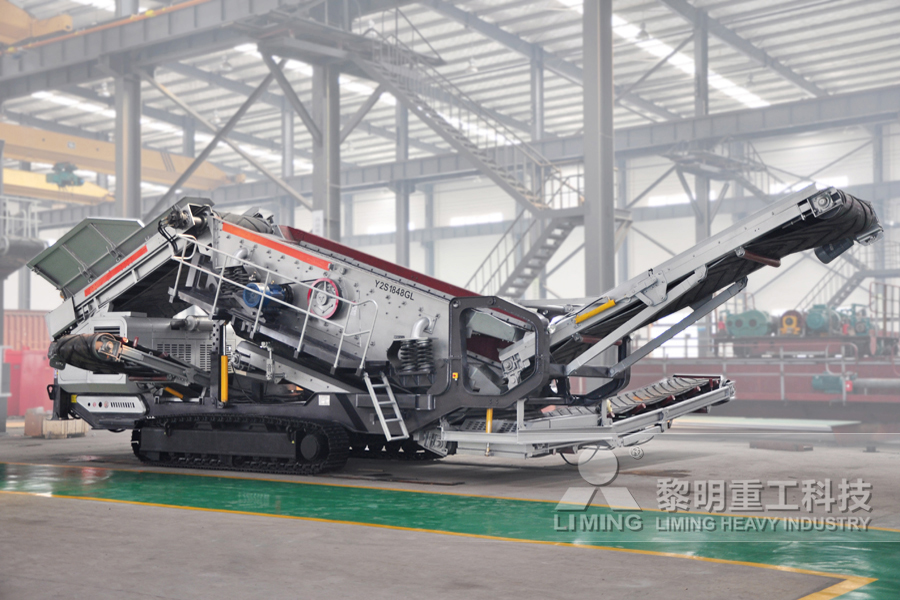
- High-Efficiency, Lined Hydrocyclones: For primary classification and de-sliming. Ceramic or specialized polymer liners provide extended service life in high-abrasion applications, maintaining precise cut points for consistent product grading and moisture control.
- Dewatering Screens with Polyurethane Panels: Key for final product moisture reduction. High-durability PU panels offer superior wear resistance and precise aperture retention, critical for separating fine solids from process water without product loss.
- Vertical Shaft Impact (VSI) Crushers for Tertiary/Quaternary Crushing: The preferred technology for cubical grain shaping and natural cleavage. A rock-on-rock or rock-on-anvil crushing chamber minimizes wear part consumption and metal contamination, directly enhancing product purity and particle shape.
- Attrition Scrubbers: Essential for clay-bound or conglomerate deposits. High-torque, slow-speed rotors provide the shearing action necessary to break down agglomerates without fracturing sand grains, liberating impurities for subsequent removal.
Material Science & Engineering Specifications
Equipment longevity and process stability are non-negotiable for maximizing operational uptime and protecting yield.
- Wear Component Metallurgy: Critical wear parts in crushers and classifiers are cast from proprietary high-chrome white iron (27%+ Cr) or manganese steel alloys, selected based on the silica content and abrasion index (Ai) of the feed material. These materials offer an optimal balance of hardness and toughness.
- Structural Integrity: Plant structures and machine frames are fabricated to exceed dynamic load standards, often certified to ISO 8528 for dynamic loading and CE marking for EU compliance, ensuring reliability under continuous, high-tonnage operation.
- Process Control Integration: Modern plants are designed for integration with PLC/SCADA systems, allowing real-time monitoring of crusher power draw, screen loads, and cyclone pressures to automatically adjust feed rates and maintain product specification.
Operational Parameters & Configuration
Plant design is dictated by feed material and product goals. Key technical considerations include:
| Parameter | Consideration | Impact on Yield/Purity |
|---|---|---|
| Feed Material Hardness | Abrasion Index (Ai), Silica (SiO₂) Content | Dictates crusher type, rotor velocity, and wear liner metallurgy. Higher Ai demands more robust, wear-resistant circuits. |
| Clay & Contaminant Level | Presence of kaolin, iron oxides, organics | Determines necessity and sizing of scrubbing, washing, and magnetic separation stages. |
| Target Product Specification | Grain size distribution, clay content, moisture | Defines the number and type of classification stages (screens, cyclones) and dewatering equipment required. |
| System Capacity (TPH) | Dry feed tonnage | Governs equipment sizing, slurry pump specifications, and material handling design to avoid bottlenecks. |
A plant processing 250 TPH of hard, abrasive granite for concrete sand will have a fundamentally different configuration—emphasizing a robust VSI crusher circuit and cyclones with ceramic liners—than a 150 TPH plant processing softer sandstone for glass sand, which may prioritize intense scrubbing and fine screening.
The definitive factor for long-term yield is a lifecycle cost analysis, not initial capital expenditure. Specifying equipment with superior wear life and energy efficiency per ton processed directly protects your margin and ensures the plant meets its designed yield over its operational lifespan.
Engineered for Durability and Efficiency: Robust Design for Harsh Industrial Environments
The operational lifespan and total cost of ownership of a sand processing plant are fundamentally determined by its structural and component-level durability. Our engineering philosophy prioritizes material integrity and design resilience to withstand continuous abrasion, high-impact loads, and corrosive elements inherent in processing silica, granite, basalt, and other abrasive ores.
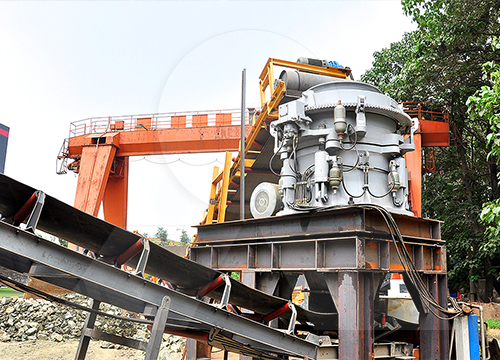
Core Material Specifications & Construction
Critical wear components are fabricated from premium, impact-hardening manganese steel (Mn14, Mn18, and Mn22 grades) for applications involving high kinetic energy impact, such as crusher jaws, cones, and impactor blow bars. For consistent, high-abrasion zones like classifier wear shoes, pump volutes, and pipeline elbows, we specify high-chrome white iron alloys (Cr23, Cr27) offering a minimum hardness of 62-68 HRC. Structural frameworks are built from heavy-duty, high-yield-strength carbon steel plate, with reinforced ribbing at all stress points to prevent fatigue and deformation under dynamic loads.
Mining-Specific Design Adaptations
- High-TPH Throughput Architecture: Plant layouts and conveyor profiles are engineered to minimize material drop heights and internal cascading, directly reducing wear energy and dust generation while maintaining designed capacities from 50 to 800+ TPH.
- Abrasion-Resistant Flow Systems: Internal chuting is lined with replaceable modular wear plates. Critical transfer points utilize rubber or ceramic lagging on pulleys and skirting systems to extend belt life.
- Sealed & Protected Drives: Motors, gearboxes, and bearings are housed in protective enclosures with positive-pressure air purgers or labyrinth seals to exclude fine silica dust and moisture, a primary cause of premature failure.
- Modular, Service-Oriented Design: Major assemblies are designed as bolt-together modules. This allows for rapid component replacement and liner changes during scheduled maintenance, drastically reducing downtime.
Compliance & Validation
All structural calculations and welding procedures adhere to international standards (ISO 9001, CE marking per applicable Machinery Directive requirements). Critical welds are subjected to non-destructive testing (NDT). Performance metrics for wear life and efficiency are validated against industry-standard abrasion indices (e.g., Miller Number, SiO2 content percentage).
Key Component Durability Matrix
| Component | Primary Material / Treatment | Key Property | Design Focus |
|---|---|---|---|
| Crusher Liners | Austenitic Manganese Steel (Mn18+) | Work-Hardening up to 550 HB | Impact absorption; reversible/rotatable for extended life. |
| Classifier Wear Shoes | High-Chrome Cast Iron (Cr27) | 65+ HRC Hardness | Resistance to micro-cutting abrasion in slurry. |
| Slurry Pump Wet End | Ni-Hard Alloy or High-Chrome Iron | Abrasion-Corrosion Resistance | Hydraulic efficiency balanced with volute/thickness design. |
| Vibrating Screen Deck | Polyurethane / Rubber / Woven Wire | Application-Specific Modulus | Fatigue resistance to high-cycle tension/impact; quick-change tensioning. |
| Structural Welds | High-Toughness Electrodes | Crack Resistance | Pre-heat & controlled interpass temperature procedures per WPS. |
This engineered approach ensures the plant maintains operational efficiency and mechanical reliability over extended campaigns, minimizing unplanned stoppages and protecting your investment against the degrading forces of harsh industrial environments.
Customizable Configurations to Match Your Specific Sand Processing Needs
The core engineering principle of a successful sand processing plant is not a one-size-fits-all solution, but a system engineered to the specific mineralogy, feed gradation, and product specifications of your deposit. Customization is a material science and mechanical engineering challenge, not a marketing feature.
Material and Component Specification
Component selection is dictated by the abrasive and impact characteristics of the feed material. Standardized, soft-grade steel is insufficient for sustained operation.
- Wear Liners & Impellers: Critical wear components in crushers and classifiers are fabricated from high-chrome white iron (27%+ Cr) or manganese steel (Mn-steel, 11-14% Mn) for impact resistance. For highly abrasive silica sands, Ni-hard alloys or ceramic composite liners are specified.
- Screen Decks: Polyurethane panels offer excellent abrasion resistance and noise reduction for mid-range abrasives. For severe duty, woven wire mesh with specific tensile strength and fatigue life ratings, or rubber-clad decks, are deployed based on cut-point and capacity.
- Pump Volutes & Impellers: Slurry pumps are fitted with hard metal (ASTM A532 Class III Type A) or elastomer (natural rubber, urethane) liners based on particle size, shape, and slurry pH to optimize wear life and hydraulic efficiency.
Process Flow and Capacity Engineering
The plant layout and machine selection are calculated from your feed analysis and target hourly production (TPH).
- Primary Reduction: Gyratory crushers are specified for high-tonnage, hard rock (UCS > 150 MPa). Jaw crushers provide reliable primary reduction for less abrasive feeds. The selection directly impacts downstream circuit efficiency.
- Attrition and Classification: The configuration of attrition scrubbers (drum vs. cell), hydrocyclone clusters (diameter, apex, vortex finder geometry), and dewatering screens (inclination, G-force) is calibrated to your clay content, liberation requirements, and moisture specifications.
- Fine Recovery & Tailings Management: The integration of a gravity-fed dewatering tower, centrifuges, or a thickener-clarifier system is a function of required water recovery rates, pond space, and environmental permits.
Technical Standards and Compliance
All structural, electrical, and pressure vessel components are designed and fabricated to relevant international standards. This is non-negotiable for operational safety and global market acceptance.
- Structural & Mechanical: ISO 8528 (steel structures), CE Marking (PED for pressure equipment), ANSI/ASME B15.1 (safety standards for conveyors).
- Electrical & Control: IEC 60204 (safety of machinery), NFPA 70 (National Electrical Code), with control panels built to IP65 rating for dust and moisture ingress protection.
Modular Configuration Scenarios
The following table outlines typical engineering adaptations based on primary feed material and product goals.
| Feed Material & Challenge | Core Process Adaptation | Key Component Specifications | Target Output (Example) |
|---|---|---|---|
| Hard Rock (Granite, Basalt) High abrasiveness, high compressive strength. |
3-Stage Crushing Circuit, closed-loop with pre-screening. | Primary: Mn-Steel jaw crusher. Tertiary: High-chrome impact crusher or cone crusher. Screen: Heavy-duty wire mesh decks. |
Concrete Sand, 180 TPH, <5% moisture. |
| Soft Rock (Limestone) Friable, lower abrasion, high fines generation. |
2-Stage Crushing, integrated air classification for fines removal. | Primary: Impact crusher for shape. Classifier: Dynamic type with ceramic internals. |
Masonry Sand & Filler, 250 TPH, controlled -200 mesh fraction. |
| River or Pit Gravel High clay/ silt contamination, variable gradation. |
Robust Scrubbing & Washing Circuit, high-volume water management. | Attrition Cells: Rubber-lined with high-density impellers. Hydrocyclones: Large-diameter clusters for silt cut. Dewatering Screen: High-G linear motion. |
ASTM C33 Concrete Sand, 200 TPH, <3% passing 75µm. |
| Recycled C&D / Slag Highly heterogeneous, tramp metal, low density. |
Intensive Pre-Screening & Metal Removal, specialized crushing for cubicity. | Pre-Screen: Scalping deck with grizzly. Magnetic Separator: Over-belt and drum types. Tertiary Crusher: Vertical Shaft Impact (VSI) for shaping. |
Engineered Fill & Aggregate, 120 TPH, consistent gradation. |
Operational and Control Integration
Customization extends to control philosophy. Plants can be configured for manual, semi-automated (PLC with HMI), or fully automated (SCADA with IoT sensors) operation. Sensor integration for crusher load, pump amperage, and cyclone feed density allows for real-time adjustment, protecting equipment and maintaining product consistency within a tight specification envelope. The structural chassis is designed for specific ground conditions, with options for fixed foundation, modular skid-mounting, or full portable trailer configuration to meet mine plan mobility requirements.
Technical Specifications: High-Capacity Systems with Precision Control
Core Design Philosophy: High-Capacity, High-Availability Processing
Modern high-capacity sand processing is defined by systems engineered to handle elevated throughputs (TPH) without sacrificing product consistency or operational longevity. This is achieved through a synergy of robust material selection, precision control systems, and modular, scalable plant design. The focus is on maximizing Mean Time Between Failures (MTBF) and minimizing specific energy consumption per ton of processed material.
Material Science & Component Durability
Critical wear components are subject to intense abrasion and impact. Their specification is non-negotiable for high-capacity operations.
- Primary Crushing & High-Abrasion Zones: Liners, jaws, and cones utilize modified Hadfield Austenitic Manganese Steel (Mn14, Mn18, Mn22) for its unparalleled work-hardening capability. Upon impact, the surface hardness increases from ~200 HB to over 500 HB, providing exceptional wear life in feed and primary reduction stages.
- Classification & Fine Abrasion Zones: Screens, pump volutes, and hydrocyclone liners employ High-Chromium White Iron (Cr15-Cr27) alloys or Polyurethane (PU) castings. These materials offer superior resistance to continuous sliding abrasion from silica sand, with PU providing additional noise reduction and corrosion resistance.
- Structural Integrity: Primary plant frames and hoppers are fabricated from S355JR/AR grade steel with full-penetration welds, adhering to ISO 3834 quality standards for welding, ensuring structural integrity under dynamic, high-load conditions.
Precision Control & System Intelligence
Capacity is meaningless without control. Precision is embedded through sensor networks and automated logic.
- Crusher Optimization: Hydroset™ or similar hydraulic CSS (Closed Side Setting) adjustment systems allow real-time, remote control of product gradation, compensating for wear and feed variations without downtime.
- Load & Performance Monitoring: Integrated PLC/SCADA systems with IEC 61131-3 standard programming monitor motor amperage, crusher pressure, conveyor weightometry, and screenbox acceleration. This enables:
- Automatic feed rate modulation to prevent choking or running empty.
- Vibration analysis for predictive maintenance on rotating equipment.
- Product size tracking via optional in-stream particle size analyzers.
- Moisture & Cut-Point Control: Advanced sand classification employs density-based controls on Dense Media Separation (DMS) circuits or automated flocculant dosing in thickeners, ensuring precise silt cut-points and consistent product moisture content below 10%.
High-Capacity System Specifications
Performance is quantified against industry benchmarks. The following table outlines key parameters for a modular, high-capacity plant designed for hard, abrasive silica sand or similar aggregates.
| System Module | Key Technical Parameter | Specification Range | Performance Note |
|---|---|---|---|
| Primary Crushing | Feed Size Capacity | Up to 800mm | Handles run-of-quarry feed. |
| Throughput (TPH) | 500 - 1,200+ TPH | Dependent on ore hardness (Wi) and required reduction ratio. | |
| Drive Power | 200 - 400 kW | Direct drive systems for efficiency, high torque start capability. | |
| Secondary/Tertiary Crushing | Closed Side Setting (CSS) | 10 - 45 mm | Hydraulic adjustment under load. |
| Product P80 Range | 6 - 40 mm | Cubical product shape for improved leaching/processing. | |
| Horizontal Screening | Screening Area | 10 - 30 m² per deck | High G-force excitation for efficient separation of sticky materials. |
| Deck Configuration | 2 or 3 decks, wire mesh or PU panels | ||
| Fine Material Classification | Hydrocyclone Cluster | 6 x 660 mm or 10 x 500 mm | Achieves cut-points as fine as 75µm. |
| Pump Power (Slurry) | 75 - 150 kW | Lined for abrasion resistance. | |
| Plant Control & Standards | Control System Standard | IEC 61131-3 / PLC with SCADA | |
| Structural & Safety Design | ISO 8525 (Dynamic Loads), CE Marked (PED, MD) | Full compliance for EU and international markets. | |
| Overall Plant Availability | > 92% | Designed target, assuming planned maintenance adherence. |
Functional Advantages of Integrated Design
- Adaptability to Ore Variability: PLC-controlled variable frequency drives (VFDs) on feeders and conveyors automatically adjust rates based on crusher power draw, maintaining optimal choke-fed conditions despite feed size or hardness fluctuations.
- Rapid Product Changeover: Modular screen decks and adjustable crusher settings allow the plant to switch between different sand product specifications (e.g., concrete sand, plaster sand, glass sand) within a single shift.
- Dust & Noise Suppression: Integral, engineered suppression systems—including sealed transfer points, misting systems, and acoustic enclosures for pumps—are designed to meet ISO 11820 and ISO 9612 acoustic performance standards.
- Maintenance Accessibility: Walk-in, non-entry crusher designs, centralized lubrication points, and modular component replacement (e.g., complete rotor assemblies) are engineered to reduce mean time to repair (MTTR).
Trusted by Industry Leaders: Proven Performance and Reliable Support
Our engineered solutions are specified by major mining conglomerates and aggregate producers because they are built to withstand the most demanding feed materials and continuous operation cycles. The trust placed in our systems is a direct function of their metallurgical integrity, certified performance envelopes, and our embedded technical support structure.
Core Engineering for Abrasive and High-Impact Applications
- Wear Component Metallurgy: Critical wear parts, such as crusher liners, pump volutes, and classifier shoes, are cast from proprietary high-chromium white iron and manganese steel alloys. These are selected based on the specific abrasion index (Ai) and silica content of the feed material to optimize service life versus cost.
- Structural Integrity: Plant chassis and high-stress frames are fabricated from high-tensile steel with robotic welding and post-weld heat treatment to eliminate residual stresses, ensuring dimensional stability under dynamic loads exceeding 5g.
- Drive & Bearing Systems: Utilizes heavy-duty, labyrinth-sealed bearing assemblies coupled with correctly sized industrial gearboxes or direct hydraulic drives to handle peak torque demands during start-up under load.
Certified Performance and Operational Guarantees
- Design Standards: All equipment is designed, manufactured, and tested in accordance with ISO 9001:2015 for quality management and relevant CE machinery directives. Structural calculations comply with international standards such as ISO 8525 for loading.
- Capacity Verification: Plant throughput (TPH) is not a theoretical maximum but a guaranteed nominal capacity based on pilot plant testing or validated ore characterization data, accounting for bulk density, moisture content, and desired product gradation.
- Adaptability Protocol: Systems are engineered with predefined adjustment ranges for key parameters (e.g., crusher CSS, screen inclination, cyclone apex/spigot) to adapt to variations in ore hardness (from 15 to 25+ on the Mohs scale) and feed size distribution without compromising efficiency.
Technical Support and Lifecycle Partnership
- Commissioning & Optimization: Deployment is supervised by field engineers who perform initial calibration, baseline performance audits, and operator training. We establish key performance indicators (KPIs) for yield, product shape, and wear rates from day one.
- Predictive Maintenance Integration: Support includes schematics for integrating vibration analysis sensors on major rotating equipment and guidance on establishing a predictive wear monitoring schedule based on historical tons-processed data for your specific material.
- Global Logistics for Critical Parts: A dedicated supply chain network ensures prioritized manufacturing and global dispatch of wear part kits and mission-critical mechanical assemblies, minimizing plant downtime for scheduled maintenance events.
Frequently Asked Questions
How often should wear parts be replaced in a sand processing plant?
Replace high-wear components like crusher liners and pump impellers based on operational hours and material abrasiveness. For severe service, use ZGMn13 high-manganese steel liners. Monitor thickness regularly; replacement is typically needed after processing 80,000-120,000 tons of abrasive sand. Implement predictive maintenance via laser scanning to minimize unplanned downtime.
How does a plant adapt to varying ore hardness (Mohs 5 vs. 7)?
Adjust crusher settings and select appropriate liner materials. For hard rock (Mohs 7), use cone crushers with high-pressure grinding rolls and mantles made of T500 boron steel. For softer material (Mohs 5), jaw crushers with standard manganese steel suffice. Always calibrate the closed-side setting and feed rate based on real-time power draw monitoring.
What are best practices for vibration control in screening equipment?
Ensure proper screen deck tensioning and use polyurethane or rubber modular panels to dampen vibration. Install high-quality SKF or FAG spherical roller bearings with precise clearance. Regularly perform dynamic balancing on vibrator shafts. Isolate the screen structure from the support frame using heavy-duty rubber buffers or air springs to prevent harmonic resonance.
What lubrication is required for heavy-duty crusher bearings?
Use ISO VG 320 extreme pressure (EP) lithium complex grease for high-load, low-speed crusher bearings (e.g., in cone crushers). For high-speed vibrating screen bearings, opt for a synthetic PAO-based grease with anti-wear additives. Adhere to strict re-lubrication intervals (every 8 hours for severe duty) using automated systems to ensure correct volume and purge old grease.
How to optimize hydraulic system pressure for cone crushers?
Set the hydraulic pressure to 10-15% above the required clamping force, typically between 150-200 bar for medium-hard ore. Use pressure transducers for real-time monitoring. Adjust the accumulator pre-charge to 80% of system pressure to absorb shocks. Regularly test relief valves to prevent over-pressure events that can damage the main shaft and bushings.
What is the key to maintaining slurry pump efficiency in sand processing?
Select pumps with hard metal (e.g., Cr27 high-chromium iron) or rubber linings based on particle size and abrasiveness. Maintain optimal impeller clearance (0.5-1.0mm) through regular adjustment. Ensure proper gland seal water pressure (1-2 bar above discharge pressure) and use double-expeller designs to minimize abrasive ingress into the bearing assembly.