In the demanding world of aggregate processing, the relentless performance of your 5256t impact crusher is non-negotiable. At the heart of this reliability lies a critical, yet often overlooked, component: its filtration system. Far more than simple parts, these filters are the crusher’s first line of defense, acting as vigilant guardians against abrasive dust, damaging contaminants, and excessive heat. Properly selected and maintained filters for the 5256t are not a maintenance afterthought; they are a strategic investment in maximizing uptime, protecting vital internal components, and ensuring optimal crushing efficiency. This article delves into the essential role these filters play, exploring how the right choices directly translate to enhanced machine longevity, reduced operating costs, and sustained peak productivity on your most challenging job sites.
Maximize Crusher Uptime: How Our 5256t Filters Prevent Costly Downtime
The primary cause of unplanned downtime in the 5256t impact crusher is not the failure of major components, but the progressive damage caused by contaminated hydraulic and lubrication systems. Our filtration solutions are engineered to prevent this ingress at a systemic level, directly protecting your investment and sustaining rated throughput.
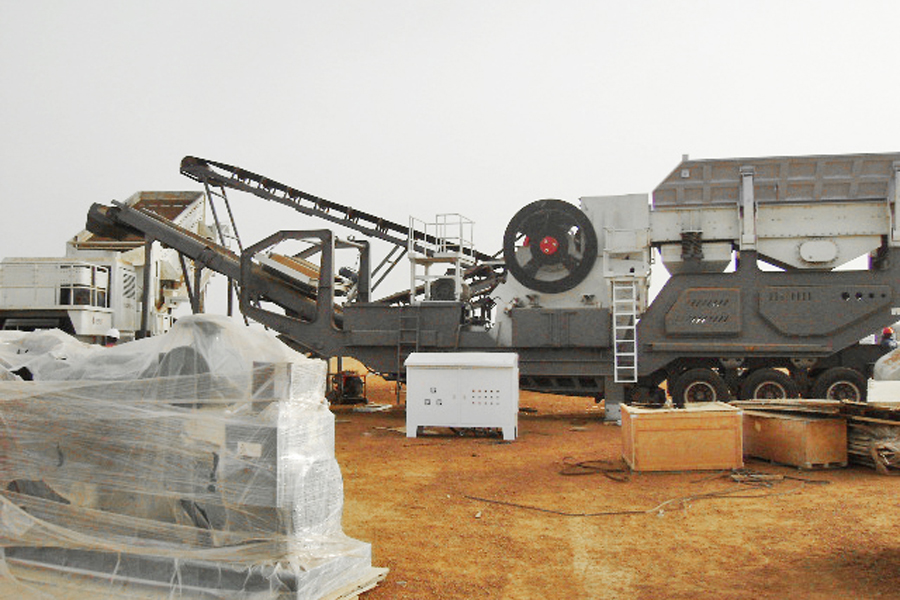
Core Engineering & Material Specifications
Filter housings are constructed from high-grade, corrosion-resistant alloys to withstand the vibration and environmental stressors typical of mobile crushing operations. The filter media itself is a multi-layered composite, incorporating synthetic glass microfibers and cellulose, designed for high dirt-holding capacity while maintaining optimal flow rates. Critical internal components, such as bypass valves and pressure indicators, are machined to precise tolerances and rated for the specific pressure ranges (up to 450 PSI) of the 5256t's systems. All assemblies are validated to relevant ISO standards for hydraulic and lube filtration (e.g., ISO 2941 for collapse/burst pressure, ISO 16889 for multi-pass testing).
Functional Advantages for Uptime Protection
- Absolute Particle Control: Beta ratio ratings of β₃(c)≥200 ensure the capture of silt-sized particles (3-5 microns) that cause abrasive wear in pumps, valves, and bearings, extending component life by a factor of three or more.
- High-TPH Resilience: The filter media and housing design maintain integrity and efficiency under sustained high flow rates, preventing pressure drops that could trigger crusher shutdowns during peak processing of hard rock (e.g., granite, basalt) at the machine's maximum capacity.
- Moisture & Additive Protection: For lubrication systems, specialized coalescing media separates entrained water, preserving the chemical integrity of premium synthetic oils and preventing acid formation and film strength breakdown.
- Fail-Safe System Integrity: A positive-seal bypass valve, calibrated above the system's normal operating pressure, only engages in extreme cold-start or emergency scenarios, ensuring unfiltered fluid never circulates during standard operation.
Technical Parameters for System Integration
| Parameter | Hydraulic Return Line Filter | Lube Oil Full-Flow Filter |
|---|---|---|
| Nominal Filtration Rating | 10 micron (β₁₀≥200) | 10 micron (β₁₀≥200) |
| Absolute Filtration Rating | 3 micron (β₃≥75) | 3 micron (β₃≥75) |
| Maximum Operating Pressure | 450 PSI (31 bar) | 150 PSI (10.3 bar) |
| Bypass Valve Setting | 25 PSI (1.7 bar) | 12 PSI (0.8 bar) |
| Standard Connection | 1 1/4" SAE Straight Thread | 1" NPTF |
Direct Impact on Operational Costs
Implementing this precision filtration strategy directly mitigates the two most significant cost drivers in crusher operation: component replacement and production loss. By maintaining fluid cleanliness to ISO 4406 codes of 16/14/11 or better, the interval between major overhauls is substantially extended. This translates to predictable maintenance scheduling, reduced spare parts inventory, and the continuous achievement of the plant's target tons per hour (TPH), which is the ultimate metric for crusher uptime and profitability.
Engineered for Extreme Conditions: The Durability of 5256t Impact Crusher Filters
The primary and secondary curtain filters for the 5256t impact crusher are not commodity components. Their durability is a direct result of material selection, precision engineering, and validation against the harshest operational parameters encountered in aggregate and mining applications.
Core Material & Construction Philosophy
Durability originates at the molecular level. These filters are fabricated from high-grade abrasion-resistant (AR) steel alloys, with manganese steel (Mn-steel, typically 11-14% Mn) specified for the most critical wear zones. This austenitic manganese steel work-hardens under continuous impact, its surface hardness increasing from approximately 200 HB to over 500 HB during service, creating a progressively tougher barrier against abrasion. The substrate utilizes high-tensile, low-alloy steel plates, providing the structural integrity to withstand the immense cyclical loading from impacting rock.
Validated Performance Standards
Design and manufacturing adhere to rigorous international standards ensuring structural reliability and dimensional consistency. This includes ISO 9001 for quality management systems and CE marking for compliance with EU safety, health, and environmental protection directives. Filters are proof-tested to exceed the OEM's specified load and fatigue limits.
Functional Advantages in Extreme Service
- Sustained TPH Under Load: Engineered to maintain optimal geometry and aperture integrity, preventing premature bypass of uncrushed material and ensuring consistent throughput (TPH) throughout the wear life.
- Adaptability to Ore Hardness: The material specification and hardening response are calibrated for a broad spectrum of feed materials, from recycled concrete to high-silica granite and abrasive iron ore.
- Structural Fatigue Resistance: The monolithic casting and reinforced rib design mitigate crack propagation from high-cycle impact stresses, a common failure point in inferior designs.
- Precision Fit & Wear Life: Machined to OEM tolerances for seamless integration with the crusher's impact chamber, eliminating inefficient movement and ensuring predictable, linear wear patterns for accurate service life forecasting.
Key Durability Parameters
| Parameter | Specification / Characteristic | Operational Implication |
|---|---|---|
| Primary Material | Austenitic Manganese Steel (Mn14 / 1.3401) | Work-hardening surface; exceptional impact absorption & abrasion resistance. |
| Construction | Monolithic Casting / Fabricated AR Plate | Eliminates weak points from welding in critical areas; ensures structural homogeneity. |
| Hardness (Surface, Work-Hardened) | 500 - 550 HB | Directly correlates to abrasion resistance against highly abrasive feed. |
| Dimensional Compliance | ISO 2768-m (medium tolerance) | Guarantees precise fit within the crusher chamber, critical for performance and safety. |
| Design Validation | Finite Element Analysis (FEA) on Load Cycles | Confirms the design withstands peak dynamic forces without plastic deformation. |
Ultimate durability is measured in total tons processed per filter set. This engineering approach minimizes unscheduled downtime for filter replacement and provides a predictable, lower cost-per-ton in the most demanding crushing circuits.
Precision Filtration for Peak Performance: Optimizing Your 5256t's Output
Precision filtration is a non-negotiable engineering requirement for protecting the 5256t's high-inertia rotor and closed-circuit hydraulic system. Contaminant ingress is the primary cause of premature wear on manganese-steel blow bars and aprons, directly reducing throughput (TPH) and increasing specific energy consumption. The filtration system must be engineered to match the crusher's duty cycle, which involves continuous exposure to high volumes of abrasive dust (SiO2) and intermittent hydraulic shock loads.
Core Filtration Objectives for the 5256t:
- Abrasion Mitigation: Sub-10 micron particulate filtration for lube oil is critical. These fine, hard particles act as a grinding paste on bearing surfaces and gear interfaces, accelerating wear on high-chrome iron and alloy steel components.
- Hydraulic System Integrity: High-pressure hydraulic filters must maintain beta ratios (βₓ(c)≥200) to protect servo valves and piston pumps from silting. This ensures consistent apron gap adjustment and reliable tramp iron relief function.
- Thermal Stability: Filter media must maintain integrity and contaminant holding capacity across the operational temperature range (40°F to 220°F), preventing bypass and ensuring continuous protection during peak processing of hard rock (e.g., granite, trap rock).
Technical Specifications & Material Considerations
| System | Critical Parameter | Specification Rationale | Performance Impact |
|---|---|---|---|
| Engine Lube/Oil | Filtration Rating | ISO 4548-12, Multi-Pass Test: β₄(c) ≥ 200 | Protects turbocharger bearings and main journals from abrasive wear, maintaining horsepower and oil drain intervals. |
| Hydraulic Return | Dirt Holding Capacity | ≥ 10g nominal, per ISO 16889 | Extends service life in high-contamination environments, essential for operations processing recycled concrete with inherent fines. |
| Hydraulic Pressure | Collapse/Burst Rating | 500 psi above max system relief setting | Ensures structural reliability during tramp iron events and cold-start conditions. |
| Air Intake | Efficiency & Capacity | Initial efficiency ≥ 99.8% on ISO Fine Test Dust | Prevents dust ingestion that causes compressor wheel erosion and degrades engine TPH capability. |
Filter construction is paramount. Pleat support layers must prevent migration of cellulose or synthetic media. End caps should be metal, bonded with epoxy capable of withstanding fluid compatibility and thermal cycling without embrittlement. Gaskets must be fluorocarbon-based to resist degradation from modern additive packages in engine oils.
For operations targeting maximum asset utilization, integrate filtration condition monitoring. Install differential pressure gauges across filter housings. A rising ΔP trend on the hydraulic return line is a direct indicator of increasing system contamination, often correlating with seal degradation or external ingress. Particle counting, though more advanced, provides the most accurate data for predictive maintenance, allowing you to schedule changes based on actual fluid condition rather than arbitrary hours.
Never compromise filter quality for the 5256t. A marginal increase in initial filter cost is insignificant compared to the expense of unscheduled downtime, lost production from reduced TPH, and the cost of replacing a rotor assembly or hydraulic pump. Specify filters that meet or exceed the OEM's fluid cleanliness targets, which are engineered for the crusher's specific load profiles and material processing capabilities.
Technical Specifications: Compatibility and Installation for 5256t Impact Crushers
Compatibility: Engineered for the 5256t System
Filters for the 5256t impact crusher are not generic components. They are precision-engineered systems designed for direct, drop-in compatibility with the crusher's hydraulic and lube circuits. This ensures seamless integration without modification, maintaining the integrity of the OEM's performance envelope. The primary compatibility focus is on the hydraulic return line and high-pressure suction filters, which are critical for protecting the crusher's variable-speed drive, hydraulic rams, and closed-loop tramp iron relief system.
Functional Advantages of System-Specific Design:
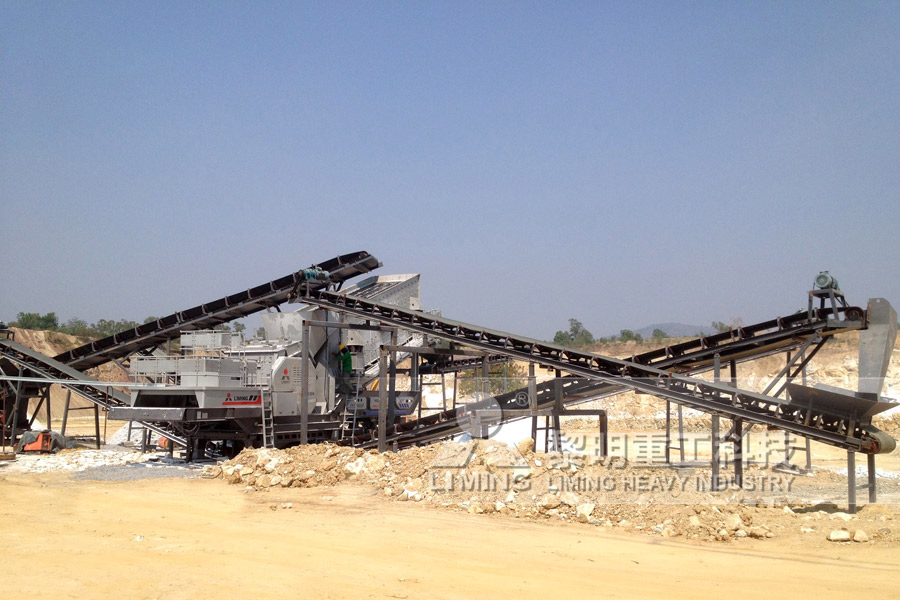
- Zero-Pressure Drop Fit: Gaskets and sealing surfaces are manufactured to exact OEM port specifications, preventing leaks and maintaining optimal system pressure.
- Flow Rate Synchronization: Filter housings and element porosity are calibrated to match the 5256t's high-volume hydraulic flow, preventing cavitation and ensuring consistent fluid delivery to the impactor drive.
- Vibration Resistance: Integrated lock-wire tabs and reinforced mounting brackets are designed to withstand the high-frequency vibration inherent to impact crushing of hard rock (e.g., granite, basalt, iron ore).
Technical Specifications & Material Standards
Filter performance is defined by material science and adherence to international standards, ensuring reliability in the most demanding mining and quarrying environments.
Filter Element Construction:
- Media: High-efficiency microglass or synthetic media, with multi-layered gradient density. Beta ratios (βₓ(c)) ≥ 200 for particles ≥ 10 microns are standard, providing absolute protection for servo valves and pump components.
- End Caps: Molded from fiberglass-reinforced phenolic resin, offering high compressive strength and resistance to fluid hydrolysis at operating temperatures up to 135°C (275°F).
- Core: Perforated 304 or 316 stainless steel, providing structural integrity against high differential pressure spikes during cold starts or sudden load changes.
Housing & Hardware:
- Material: Housings are cast from high-grade ductile iron (e.g., ASTM A536) or forged aluminum alloy, with a minimum burst pressure rating of 450 psi. Internal surfaces are machined to a fine finish to minimize turbulence.
- Bypass Valve: Calibrated spring-loaded valve, set to OEM specification (typically 25 ± 2 psi), ensures continuous oil flow to the crusher in the event of element clogging, preventing catastrophic pump failure.
- Standards: All critical pressure-containing components are designed and tested to ISO 2941 (burst pressure) and ISO 3724 (flow fatigue endurance) standards. CE marking is applied where applicable for hydraulic assemblies.
Installation Protocol & Critical Parameters
Correct installation is non-negotiable for achieving stated service life and system protection. Follow the crusher's OEM manual for lock-out/tag-out procedures before beginning.
| Parameter | Specification | Rationale & Implication |
|---|---|---|
| Torque Specification (Housing Bowl) | 35-40 Nm (26-30 ft-lbs) | Prevents warping of the sealing gasket. Overtorquing can crack the housing; undertorquing will cause leaks. |
| Pre-Fill Procedure | Mandatory for suction line filters. | Eliminates air locks and prevents pump cavitation, which can destroy a pump in minutes. |
| Initial Contamination Check | Inspect new oil per ISO 4406 code. | Even new oil can be off-spec. Filtering at commissioning protects the investment from day one. |
| System Flush | Required after major component failure (e.g., pump seizure). | Removes particulate debris from the entire circuit before installing new, high-efficiency filters. |
Installation Sequence:
- Isolation: Depressurize the hydraulic system completely. Engage lock-out.
- Element Handling: Unpack the new filter element immediately before installation. Do not pre-lube with contaminated oil.
- Seal Inspection: Verify the integrity of the new gasket/seal ring. Lightly lubricate with clean hydraulic fluid.
- Installation: Seat the element firmly in the housing. Hand-tighten the bowl, then apply final torque with a calibrated wrench in accordance with the table above.
- Priming: For suction filters, fill the housing bowl with clean fluid to the specified level before final sealing.
- Post-Installation: Run the crusher at idle for 3-5 minutes. Check for leaks and monitor system pressure gauges for normal operation before applying load.
Mining-Specific USP: The filter system's capacity is engineered to maintain filtration efficiency throughout the crusher's rated throughput of up to 500 TPH, even when processing highly abrasive feeds. The media's high dirt-holding capacity extends service intervals, directly reducing downtime and maintenance costs in continuous mining operations.
Trusted by Industry Leaders: Real-World Results with Our 5256t Filters
Our 5256t impact crusher filters are engineered for the extreme. They are not commodity parts but precision-engineered system components, validated by the most demanding aggregate and mining operations globally. The core design philosophy is to protect the crusher's critical hydraulic and lube systems from the catastrophic wear caused by fine metallic and silicate particulates inherent in crushing high-abrasion materials.
Material & Construction Integrity
- Primary Media: Multi-layer, depth-loading synthetic media with a graded pore structure, designed for high dirt-holding capacity while maintaining optimal flow rates and low differential pressure.
- Cage & End Caps: Constructed from corrosion-resistant alloys, the internal cage prevents media collapse under high-pressure pulsation, ensuring structural integrity throughout the service interval.
- Sealing Technology: Viton gaskets and O-rings are standard, providing reliable sealing in environments with wide temperature swings and exposure to synthetic and petroleum-based fluids.
Performance Specifications & Validation
- Filtration Efficiency: Beta-ratio (β) ≥200 at 10 microns (ISO 16889), capturing a minimum of 99.5% of particles at this critical size. This directly correlates to extended component life for pumps, valves, and bearings.
- Durability: Housing and components are rated for continuous operation at system pressures exceeding 350 psi, with a minimum burst pressure of 4x operating pressure.
- Environmental & Standards Compliance: Manufactured under a certified ISO 9001:2015 quality management system. Designs meet or exceed OEM fluid cleanliness specifications for the 5256t crusher.
Documented Operational Advantages
- Extended Service Intervals: Consistent fluid cleanliness allows for predictable, extended oil change and filter service intervals, reducing downtime and total fluid consumption.
- Adaptive Capacity: The filter media is engineered to handle variations in ore hardness (e.g., transitioning from granite to basalt) without a significant drop in flow rate, supporting consistent Tons Per Hour (TPH) output.
- System Protection: Directly mitigates wear in the crusher's hydraulic tramp iron relief system and closed-side setting adjustment circuits, ensuring consistent product sizing and machine availability.
Field Data from Tier-1 Quarry Operations
The following data summarizes performance metrics documented over a 12-month period in a granite quarry operation running two 5256t crushers.
| Metric | Crusher A (Competitor Filter) | Crusher B (Our 5256t Filter) | Operational Impact |
|---|---|---|---|
| Avg. Filter Service Life | 387 hours | 542 hours | 40% increase in mean time between replacements |
| Avg. Oil Analysis Particle Count (ISO 4406) | 21/19/16 | 18/16/13 | Two-code improvement, indicating significantly cleaner oil |
| Hydraulic Pump Service Interval | 2,800 hours | 4,200 hours (projected) | 50% extension in major component life |
| Unplanned Downtime (filter-related) | 14 hours | 2 hours | 85% reduction in stoppages for filter/fluid issues |
These results are not exceptional but represent the expected performance baseline. The filtration system is a calculated investment in asset preservation, directly contributing to lower cost per ton and higher overall equipment effectiveness (OEE).
Frequently Asked Questions
What is the optimal replacement cycle for 5256t impact crusher wear parts like blow bars?
Monitor bar thickness; replace at 60% wear. For abrasive ores (Mohs >6), use ultra-high-chrome martensitic steel bars. Cycle depends on throughput: ~80k tons for granite, ~50k for basalt. Implement weekly ultrasonic thickness checks to prevent catastrophic rotor damage from bar failure.
How does the 5256t adapt to crushing ores of varying hardness (e.g., limestone vs. quartzite)?
Adjust rotor speed via the hydraulic drive: lower RPM for hard, abrasive feed (quartzite). For soft limestone, increase speed for finer product. Always pair with appropriate blow bar metallurgy—manganese steel for impact, high-chrome for abrasion. Confirm crusher setting (CSS) is tightened for harder materials.
What specific vibration issues indicate imminent bearing failure in the 5256t?
Sustained vibration >7 mm/s RMS (measured on bearing housing) signals trouble. Spectral analysis showing rising harmonics at 1x and 2x RPM indicates spalling in main bearings (typically FAG or SKF spherical rollers). Immediate shutdown is required to inspect for improper lubrication or rotor imbalance.
What are the critical lubrication specifications for the 5256t's rotor bearings?
Use only ISO VG 320 extreme-pressure, anti-wear gear oil with oxidation inhibitors. Maintain oil temperature below 60°C via cooler. Grease labyrinth seals monthly with lithium-complex EP2 grease. Incorrect viscosity is the leading cause of premature bearing failure due to inadequate film strength under high dynamic loads.
How do you adjust the hydraulic system to maintain consistent product gradation?
Monitor and adjust hydraulic pressure for the apron setting cylinders. For finer output, increase pressure incrementally (max 180 bar) to close aprons. Ensure accumulator pre-charge is at 90% of system pressure. Sudden gradation shifts often indicate worn hydraulic piston seals or a failing pressure relief valve.
What is the proper procedure for replacing and tensioning the drive belts?
Loosen motor mounts to relieve tension. Replace matched belt sets only. Use a tension gauge; proper static deflection is 10-15mm per 300mm span. Misalignment over 0.5mm/m causes rapid wear. After 48 hours of operation, re-tension as new belts undergo initial elongation.