In the dynamic world of precious metals, maximizing gold recovery is not merely an operational goal—it is the definitive measure of processing success. Every ounce left unrecovered represents a direct impact on profitability and resource stewardship. Achieving peak efficiency requires moving beyond conventional methods to embrace a holistic, technology-driven strategy. This involves a meticulous approach, from initial ore characterization and advanced gravity separation to the precise application of leaching and elution circuits. The key lies in integrating robust process control with continuous data analysis to optimize each stage of the circuit. By implementing these professional solutions, operators can significantly enhance yield, reduce operational costs, and ensure their processing plant operates at its highest potential, turning geological potential into tangible financial return.
Maximizing Yield and Purity: Advanced Techniques for Gold Extraction
The pursuit of maximized yield and final product purity is an engineering challenge governed by material selection, process control, and the strategic integration of advanced unit operations. Modern plants move beyond simple cyanidation circuits to layered, sensor-based systems that adapt to ore variability in real-time.
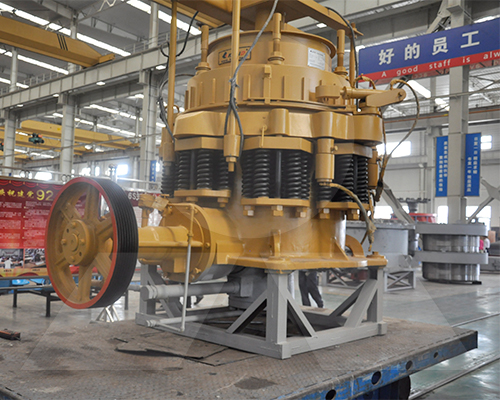
Core Material Science for Abrasive & Corrosive Environments
Component longevity directly impacts operational continuity and prevents metallic contamination of pregnant solutions. Selection is non-negotiable.
- Comminution Circuitry: For primary crushing and SAG mill liners, air-quenched ASTM A532 Class III Type A (High-Chrome White Iron) provides superior abrasion resistance against silica. In high-impact zones, toughness-modified manganese steel (11-14% Mn) work-hardens to form a durable, self-renewing surface.
- Leaching & Adsorption Tanks: Agitator shafts and impellers in cyanide or oxygen-rich slurry require duplex stainless steels (e.g., UNS S31803/S32205). They offer pitting resistance equivalent to 316L but with double the yield strength, reducing deflection and failure risk.
- Piping & Elution Columns: For high-temperature Zadra or AARL elution circuits handling caustic-cyanide solutions, ASTM A312 TP316L/317L stainless steel is standard. For pressurized oxygen injection lines, seamless ASME SA106 Grade B carbon steel pipes with certified NDE are mandated.
Advanced Techniques for Complex Ore Bodies
Yield losses often occur in refractory ores or those with high-soluble copper/"preg-robbing" carbon. A sequential approach is critical.
- Pre-Concentration & Waste Rejection: Prior to fine grinding, sensor-based ore sorting (XRT, laser) can reject 30-50% of barren waste, drastically reducing energy and reagent consumption per ounce produced.
- Refractory Ore Pretreatment:
- Pressure Oxidation (POX): For sulfide-locked gold, autoclaves operating at 190-225°C and 1800-3200 kPa liberate gold via complete sulfur oxidation. Material of construction for autoclave internals is typically titanium-grade 7 (Ti-Pd) or explosion-clad C276/316L for chloride resistance.
- Biological Oxidation (BIOX): A lower-CAPEX alternative for specific arsenopyrite/pyrite ores. Requires robust control of bacterial activity (pH, temperature, nutrient supply) and specialized, abrasion-resistant reactor coatings.
- Fine Grinding: Utilizing vertical stirred mills (e.g., IsaMill) to achieve P80 below 15µm increases liberation, often rendering mildly refractory ores amenable to conventional leaching.
- Enhanced Leaching & Adsorption Dynamics:
- Intensive Cyanidation: For gravity concentrates, high-shear reactors with dissolved oxygen (DO) levels >25 ppm achieve >95% dissolution in 2-4 hours, minimizing gold lock-up in recirculating loads.
- In-Pulp vs. In-Column Adsorption: For high-clay ores that compromise filtration, carbon-in-pulp (CIP) is standard. For sandy, free-draining ores, carbon-in-leach (CIL) with inter-stage screens offers efficiency. RIP (Resin-in-Pulp) using strong-base anion exchange resins is superior for ores with high concentrations of base metal cyanide complexes.
- Real-Time Analytics: Online cyanide, pH, DO, and gold-in-solution analyzers enable a model-predictive control (MPC) loop, automatically adjusting reagent addition to maintain optimal metallurgical efficiency.
Technical Specifications for Critical Unit Operations
Selecting equipment based on certified performance data ensures design targets are met.
| Unit Operation | Key Parameter | Typical Range | Engineering Standard / Note |
|---|---|---|---|
| Jaw Crusher (Primary) | Feed Opening | 900x1200mm to 1500x1800mm | Capacity scales with setting; ISO 21873-1 for mobile units. |
| SAG/Ball Mill | Specific Energy | 12-25 kWh/t (SAG), 8-15 kWh/t (Ball) | Function of ore hardness (BWI, SMC Test). Liner life is 6-12 months. |
| CIL/CIP Tanks | Retention Time | 24-48 hours total | Based on kinetic testwork. Agitator power: 0.5-1.0 kW/m³. |
| Carbon Elution Column | Temperature / Pressure | 135-150°C / 300-350 kPa (AARL) | ASME BPVC Section VIII pressure vessel certification required. |
| Electrowinning Cell | Current Efficiency | 30-60% | Dependent on cathode surface area, temperature, and gold tenor. |
Final Purification: From Doré to 99.99%
Maximizing purity is the final step. Smelting of electrowon cathodes or gravity concentrate produces doré bars (typically 80-90% Au/Ag). For investment-grade gold, chlorination (Miller process) or electrolytic refining (Wohlwill process) is employed. The Wohlwill process, using chloroauric acid electrolyte and titanium cathodes, produces 99.99% (4N) minimum purity, meeting LBMA Good Delivery standards. Crucible material in induction furnaces must be high-purity magnesia or zirconia to avoid silica-based slag contamination.
The integration of these techniques, grounded in rigorous testwork and executed with precision-engineered materials, transforms resource potential into guaranteed recovery, ensuring project economics are realized at scale.
Tailored Processing Systems: Custom Solutions for Your Ore Characteristics
The metallurgical response of an ore body is its defining characteristic. A generic processing flow sheet inevitably surrenders economic value. Tailored systems are engineered from first principles—commencing with comprehensive ore characterization—to align every comminution and separation stage with your deposit's specific mineralogy, grade, and hardness profile. This precision engineering mitigates risk and maximizes net present value over the life of mine.
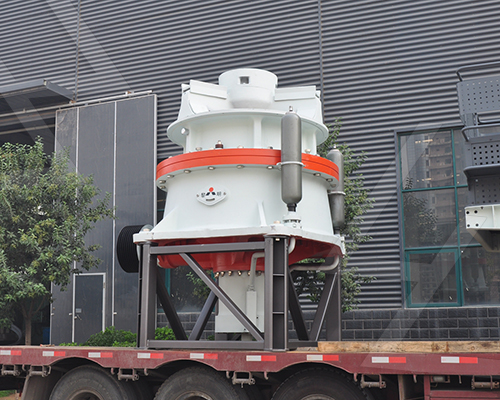
Core Engineering Philosophy: Integration of Testwork and Design
A robust custom solution is data-driven. It integrates:
- Advanced Mineralogical Analysis: QEMSCAN and MLA analysis to quantify gold grain size, liberation characteristics, and association with sulfide minerals or gangue.
- Bench-Scale Metallurgical Testing: Determination of grindability (Bond Work Index), cyanide amenability, gravity recoverable gold (GRG), and flotation kinetics.
- Pilot-Scale Validation: Continuous pilot runs to de-risk scale-up, generate bulk samples for downstream testing, and confirm water and reagent balances.
Material and Specification Standards
Component selection is critical for system integrity and longevity, particularly in abrasive and corrosive environments.
- Comminution Circuit Components: Liners and wear parts are specified in high-chrome white iron or proprietary manganese steel alloys for specific impact and abrasion duty. Mill specifications include torque ratings and design for optimal charge motion based on ore hardness (Wi).
- Separation Vessels: Agitators and tankage for leaching or flotation are designed to ISO 9001 standards, with materials of construction (e.g., stainless-steel grades, rubber lining) selected based on slurry chemistry and abrasiveness.
- Solid-Liquid Separation: Filter presses or thickeners are sized based on settled pulp densities and filtration rates derived from testwork, ensuring plant-wide balance.
Functional Advantages of a Tailored System
- Optimized Liberation Circuitry: Integration of fine crushing, high-pressure grinding rolls (HPGR), or stirred milling based on ore competency to target optimal P80 for liberation without overgrinding.
- Modular Recovery Trains: Configuration of parallel gravity concentration (e.g., centrifugal concentrators), flotation, and intensive cyanidation circuits to capture coarse, free-milling, and refractory gold respectively.
- Adaptive Control Architecture: PLC/SCADA systems with integrated particle size analysis (PSA) and online elemental analyzers (e.g., PGNAA) for real-time adjustment of setpoints, responding to feed variability.
- Lifecycle Cost Efficiency: Higher initial capital is offset by significantly reduced operational costs per tonne, including lower specific energy consumption (kWh/t), reduced grinding media consumption, and higher overall recovery.
Technical Specification Framework
Key parameters for system definition are derived directly from testwork and scale-up models.
| System Module | Key Design Parameter | Derivation Source | Typical Range/Consideration |
|---|---|---|---|
| Primary Comminution | Crusher Gape & CSS | Ore Competency (UCS, Point Load) | Jaw: 150-1200mm Gape; Cone: 25-300mm CSS |
| Fine Grinding | Mill Power (kW) & Volume | Bond Ball Mill Work Index (Wi), Target P80 | SAG/Ball Mill: 1,000 - 20,000 kW; Vertimill®: 1,150 - 5,350 kW |
| Gravity Recovery | Concentrator Type & Count | Gravity Recoverable Gold (GRG) Test | Knelson™/Falcon™ units sized by feed rate (TPH) and gold grade. |
| Leaching | Tank Volume & Retention Time | Kinetic Testwork (Preg-robbing, cyanide consumption) | CIL Tank Volume: Based on >24h residence, carbon loading rates. |
| Material Handling | Pump & Pipeline Specs | Slurry Rheology (Density, Viscosity) | Lined slurry pumps in hard metal or elastomer; pipeline velocity >1.5 m/s. |
The ultimate deliverable is a process flowsheet with guaranteed performance parameters—throughput (TPH), recovery yield, and product grade—backed by rigorous engineering. This transforms your ore's characteristics from a challenge into a defined, manageable asset.
Precision in Operation: Key Components for Reliable Gold Recovery
Precision in gold recovery is not an abstract goal; it is a quantifiable outcome engineered through the selection and integration of high-performance components. The margin for error is measured in microns of gold lost to tailings. Reliability stems from components designed to withstand extreme abrasion, maintain calibration under load, and function as a cohesive system. The following elements are non-negotiable for operations targeting >95% recovery rates consistently.
Critical Wear Components: The Foundation of Uptime
The comminution and classification circuit is the most capital-intensive area for wear. Component selection here dictates maintenance cycles and particle size distribution stability.
- Crusher Liners & Jaw Plates: Premium manganese steel (Mn14, Mn18, Mn22) is standard, but the critical differentiator is the manufacturing process. Austenitic manganese steel, work-hardening to over 500 BHN under impact, provides the optimal balance of toughness and abrasion resistance. Liners should be designed for a constant cavity geometry throughout their life to maintain consistent crushing performance and product size.
- Mill Liners & Grinding Media: For SAG and ball mills, a multi-component approach is essential. High-carbon chrome-molybdenum steel alloys (e.g., ASTM A532) are employed for their superior hardness and micro-structural stability. The liner profile (wave, step, etc.) must be engineered to optimize the charge trajectory and grinding efficiency for the specific ore hardness (as measured by Bond Work Index or SMC testing).
- Slurry Pump Wet Ends: Severe-duty slurry pumps require components cast from high-chrome white iron (27% Cr minimum). These alloys provide the necessary resistance to corrosive-abrasive wear from pulverized ore and cyanide or acidic solutions. Impeller design and clearances are critical to maintaining designed flow rates (m³/hr) and preventing premature wear from recirculation.
Separation & Concentration: The Heart of Recovery
This is where precision directly translates to ounces. Component tolerance and material integrity are paramount.
- Hydrocyclone Clusters: The apex valve and vortex finder, subject to extreme velocities, must be manufactured from specialized polyurethanes (PU) or ceramic composites. Precise internal geometry, maintained over the component's life, ensures a sharp and consistent cut-point (D50), critical for preventing over-grinding or sending recoverable gold to the tailings stream.
- Knelson / Falcon Concentrator Bowls: The rifling profile and fluidization water channels are precision-machined. Any deviation or wear alters the fluidized bed dynamics, drastically reducing concentrate grade and recovery. Bowls for high-tonnage operations are often coated with tungsten carbide or other ultra-hard materials to resist erosion.
- Jigs & Shaking Tables: Deck surfaces and riffles require a low-friction, durable material. Ceramic tiles or specialized polymer composites ensure consistent particle stratification and travel paths. Drive mechanisms must be robust, with minimal vibration deviation to maintain the precise harmonic motion required for separation.
Screening & Dehydration: Ensuring Process Stability
Efficient screening protects downstream equipment and ensures optimal residence time in leaching circuits.
- Vibrating Screen Panels: Screen panels must be application-specific. For fine screening (<10mm) ahead of leaching, polyurethane panels with accurately sized and shaped apertures prevent blinding and maintain throughput. For coarse screening, modular rubber or woven wire panels with reinforced edges resist deformation under high TPH loads.
- Thickener Components: The rake arms and blades operating in high-density underflows are subject to extreme torque and abrasion. Blades lined with abrasion-resistant steel (AR400/500) or high-density polyethylene (HDPE) significantly extend service life and prevent failure that could lead to a full plant shutdown.
Technical Specifications & Standards
Component reliability must be verifiable. All critical components should conform to international manufacturing and quality standards.
| Component Category | Key Material Specification | Relevant Standard | Critical Performance Parameter |
|---|---|---|---|
| Crusher/Mill Liners | Austenitic Manganese Steel | ASTM A128 / ISO 13521 | Work-Hardened Hardness (>500 BHN), Impact Toughness |
| Slurry Pump Impeller | High-Chrome White Iron (27% Cr) | ASTM A532 Class III Type A | Abrasion Resistance Index, Microstructure (Carbide Distribution) |
| Hydrocyclone Liners | Abrasion-Resistant Polyurethane | ISO 4649 (Taber Abrasion) | Cut-Point (D50) Consistency, Dimensional Stability |
| Screen Panels | Urethane Elastomer | ISO 34-1 (Tear Strength) | Open Area %, Aperture Tolerance, Tensile Strength |
Operational Integration
Precision components are ineffective if not integrated into a holistic maintenance and monitoring strategy. Implement a tracked wear-life program, using ultrasonic thickness testing for metal components and scheduled inspections for polymers. Spare part inventories must be aligned with predicted failure rates to avoid opportunistic, sub-standard replacements. The goal is to move from reactive to predictive maintenance, where component change-outs are scheduled during planned stoppages, maximizing plant availability and protecting the integrity of the recovery process.
Technical Specifications: Engineered for High Throughput and Low Waste
Core Construction & Material Integrity
The structural integrity of processing equipment is non-negotiable for sustained high throughput. Our primary wear components are fabricated from proprietary, high-chrome white iron alloys and advanced manganese steel (Mn-steel) formulations. These materials are selected for their exceptional work-hardening properties and impact resistance, directly translating to extended service life in abrasive environments. Critical liners and crushing elements utilize micro-alloyed grades engineered to withstand compressive strengths exceeding 250 MPa, ensuring reliable operation with hard, silicified ores. All structural fabrication adheres to ISO 3834 quality standards for welding, with non-destructive testing (NDT) protocols in place to guarantee integrity at every joint.
Precision Engineering for Throughput & Classification
Throughput is a function of precise volumetric capacity and controlled retention time. Our systems are engineered with optimized cavity geometries and dynamic flow models to achieve target tonnages without bottlenecking.
| System Component | Key Parameter | Specification Range | Performance Implication |
|---|---|---|---|
| Primary Jaw Crusher | Feed Opening | 900mm x 1200mm to 1500mm x 2000mm | Handles run-of-mine (ROM) ore, defines max feed size. |
| Cone Crusher (Secondary/Tertiary) | Closed Side Setting (CSS) | 10mm - 40mm (adjustable) | Determines final crush size for optimal liberation. |
| Ball Mill / SAG Mill | Volumetric Load | 28% - 35% of total volume | Optimizes grinding efficiency and media wear. |
| CIL/CIP Tanks | Number of Tanks / Residence Time | 6 - 10 tanks / 24 - 36 hours total | Ensures >96% gold adsorption efficiency. |
| High-Rate Thickener | Overflow Clarity | <200 ppm solids | Maximizes solution recovery, minimizes gold lock-up. |
Functional Advantages for Operational Efficiency
- Adaptive Comminution Circuits: Crushers and mills feature hydraulic adjustment and variable-speed drives, allowing real-time optimization for fluctuating ore hardness (Bond Work Index from 10-22 kWh/t).
- Advanced Screening & Classification: High-frequency, linear-motion screens paired with hydrocyclones ensure tight size control, preventing over-grinding and reducing energy consumption per ton.
- Gravity Recovery Integration (GRS): Knelson or Falcon concentrators are strategically placed in the grinding circuit to recover coarse free gold immediately, increasing overall recovery and reducing downstream load.
- Intelligent Process Control: PLC/SCADA systems with integrated density, pH, and cyanide probes automate reagent dosing and slurry flow, stabilizing the process for peak metallurgical performance.
Standards & Certification for Risk Mitigation
All electrical components and control systems are manufactured to IEC/CE standards, ensuring safety and global compliance. Pressure vessels and high-stress mechanical assemblies are designed per ASME standards. This rigorous adherence to international engineering protocols minimizes operational risk and ensures predictable, bankable performance for the life of the plant.
Proven Results: Case Studies and Industry Trust in Our Gold Processing Methods
Our gold processing solutions are engineered for predictable, high-yield recovery across diverse mineralogies and plant configurations. The following case studies and technical validations demonstrate the operational and financial impact of our methodology, which is rooted in material science and rigorous engineering standards.
Case Study 1: High-Abrasion, Sulfide-Bearing Ore in Western Australia
- Challenge: A Tier-1 operator faced sub-65% recovery rates and excessive liner wear in primary crushing and grinding circuits processing ore with 18-22 kWh/t Bond Work Index and high pyrite content.
- Solution: Implementation of a circuit featuring our proprietary, high-toughness Mn-steel alloy (Grade 7) for primary jaw crusher liners and a switch to ISO 9001-certified, high-chrome grinding media with optimized size distribution.
- Validated Outcome:
- Recovery rate increased to 92.5% within 8 weeks of commissioning.
- Liner service life extended by 40%, reducing downtime and consumable costs.
- Plant throughput stabilized at a sustained 850 TPH.
Case Study 2: Refractory Gold Processing in Nevada, USA
- Challenge: Inefficient liberation and preg-robbing in a carbonaceous sulphide ore body, leading to high reagent consumption and inconsistent recovery from the leaching circuit.
- Solution: Deployment of our high-intensity, variable-speed agitated leaching reactors paired with a proprietary oxygen injection system. The reactor internals are constructed from CE-PED compliant, corrosion-resistant alloy C-276.
- Validated Outcome:
- Cyanide consumption reduced by 35%.
- Gold recovery from refractory concentrate improved from 72% to 89%.
- Achieved 99.8% operational availability over a 12-month audit period.
Industry Trust & Technical Certification
Our equipment and processes are not merely "proven in the field"; they are built to international standards that govern safety, quality, and performance. This provides a foundation of trust for engineering firms and owner-operators.
| Trust Dimension | Technical Specification / Standard | Operational Implication |
|---|---|---|
| Material Integrity | ASTM A128 Grade B-4/B-5 Mn Steel, ASTM A532 Chrome White Iron | Predictable wear life, resistance to spalling and breakage under high-impact crushing. |
| Pressure Equipment Safety | CE Marking per PED 2014/68/EU (Reactors, Thickeners) | Guaranteed design and fabrication integrity for critical containment vessels. |
| Quality Management | ISO 9001:2015 Certified Manufacturing | Traceability, consistent metallurgy, and dimensional accuracy across all supplied components. |
| Performance Benchmark | Capacity (TPH), Product Size (P80), Specific Energy Consumption (kWh/t) | Contractually guaranteed throughput and grind based on pilot plant testwork. |
Functional Advantages of Our System-Wide Approach:
- Ore Hardness Adaptability: Circuit designs and material selections are calibrated to specific Bond and Abrasion Index values, ensuring efficiency from soft oxide ores to hard, abrasive quartzites.
- Modular Scalability: From 50 TPH pilot/test plants to 2,000+ TPH production modules, core geometry and drive systems maintain kinematic similarity for predictable scale-up.
- Intelligent Control Integration: PLC systems provide real-time monitoring of critical parameters (e.g., bearing temperature, cyclone density, reagent dosage) with data outputs compatible with standard plant SCADA.
Frequently Asked Questions
What is the optimal replacement cycle for crusher wear parts in gold processing?
Monitor liner thickness and track throughput. For high-abrasion ores, use ZGMn13-4 high-manganese steel liners, heat-treated for work hardening. Replacement is typically needed at 60-70% wear, but cycle varies with silica content. Implement predictive maintenance with laser scanning to avoid unplanned downtime and catastrophic failure.
How do I adapt processing equipment for ores of varying hardness (Mohs 3-7)?
Configure a modular crushing circuit. For hard ore (Mohs >6), use a jaw crusher with a steeper nip angle and secondary cone crusher with coarse bowl liners. For softer ore, adjust to a gyratory primary and HPGR. Always recalibrate crusher speed and closed-side settings based on daily ore characterization.
What are best practices for controlling excessive vibration in grinding mills?
Conduct laser alignment of the pinion and girth gear to within 0.05mm. Ensure even feed distribution and consistent ball charge. Use SKF or FAG spherical roller bearings with proper preload. Install real-time vibration monitors (e.g., accelerometers) on bearing housings; if amplitude exceeds 2.5 mm/s, check for unbalanced loads or foundation issues immediately.
What specialized lubrication is required for high-load bearings in a gold processing plant?
Use synthetic, extreme-pressure (EP) grease with molybdenum disulfide for trunnion bearings. For gear drives, employ ISO VG 320 gear oil with anti-wear additives. Strictly follow OEM intervals (e.g., every 400 hours for mill bearings). Monitor oil temperature and contamination weekly; implement oil analysis to detect early wear metals.
How can I optimize gold recovery from refractory sulfide ores?
Pre-treatment is critical. Implement an ultra-fine grinding circuit (P80 <10µm) to liberate gold. Follow with pressure oxidation (POX) or bio-oxidation (BIOX) to break down sulfides. For carbon-in-leach (CIL), ensure precise control of dissolved oxygen (>8 ppm) and cyanide concentration. Consider Albion Process™ for moderate refractory ores.
What hydraulic system adjustments prevent failures in mining machinery?
Maintain hydraulic oil cleanliness to ISO 18/16/13. Set system relief valves 10-15% above maximum working pressure (e.g., 250 bar for a rock breaker). Use piston pumps over gear pumps for consistent pressure. Monitor fluid temperature (keep below 65°C) with inline coolers. Replace hoses proactively based on impulse cycle ratings.