Beneath the earth's surface, where conditions are unforgiving and demands relentless, the true heroes of resource extraction are not the massive machines themselves, but their fundamental components. These mining machinery elements—from colossal, wear-resistant bucket teeth that fracture rock to precision hydraulic cylinders delivering immense force—form the critical backbone of the industry. Their design is a masterclass in applied engineering, balancing brute strength with intelligent durability to withstand extreme abrasion, impact, and stress. Understanding these core parts is to understand the very DNA of efficient and safe mining operations. This exploration delves into the world of gears, slewing rings, crawler assemblies, and cutting-edge composite materials, revealing how incremental advancements in these essential elements drive monumental gains in productivity, cost management, and operational longevity for the entire sector.
Maximizing Operational Efficiency: How Our Mining Machinery Elements Enhance Productivity
Operational efficiency in mining is fundamentally governed by the performance and longevity of core machinery elements. Downtime for component replacement and suboptimal throughput directly erode profitability. Our engineered elements are designed from first principles to mitigate these losses, focusing on advanced material science, adherence to stringent international standards, and mining-specific design optimization.
The core of our product advantage lies in the strategic application of specialized materials to combat specific wear mechanisms.
- High-Stress Impact Zones (Crusher Jaws, Cone Liners, Hammer Heads): We utilize modified Austenitic Manganese Steels (Mn14%, Mn18%, Mn22%) with controlled carbide precipitation and optimized heat treatment. This creates a material that work-hardens under continuous impact, increasing surface hardness from ~220 HB to over 550 HB in service, providing exceptional resistance to gouging and fatigue cracking.
- Abrasive Sliding Wear Areas (Chute Liners, Screens, Pump Casings): Our solution employs ultra-high chromium white irons (Cr23%, Cr27%) with a microstructure dominated by hard, primary M7C3 carbides embedded in a tough metallic matrix. These alloys maintain a consistent hardness of 58-65 HRC, offering superior resistance to cutting and scratching abrasion from silica and ferrous ores.
- Combined Impact-Abrasion Environments (Bucket Teeth, Loader Tips): We deploy multi-component alloy steels through a proprietary quenching and tempering process. This achieves an optimal balance of core toughness (for shock absorption) and surface hardness (for abrasion resistance), significantly extending service life in mixed-material loading.
All elements are manufactured and tested in compliance with ISO 9001:2015 for quality management and relevant CE machinery safety directives. Material certifications and traceability are provided as standard.
The functional advantages of this engineered approach translate directly into measurable site performance:
- Increased Throughput (TPH): Optimized cavity designs for crusher liners and screen media apertures ensure maximum material flow and effective sizing, reducing recirculation load and bottlenecks.
- Extended Mean Time Between Failure (MTBF): Superior wear life directly reduces the frequency of planned and unplanned shutdowns for component change-out, maximizing equipment availability.
- Reduced Total Cost of Ownership (TCO): While initial investment may be higher, the extended service life, reduced downtime labor costs, and lower inventory holding requirements for spare parts deliver a lower cost per ton mined.
- Adaptability to Ore Characteristics: We provide material grade recommendations based on your specific ore hardness (as measured by Bond Work Index or UCS), abrasiveness (Miller Number, SIL), and impact severity, ensuring the correct element is deployed for each duty.
For critical elements where dimensional precision and interchangeability are paramount, the following technical parameters are guaranteed:
| Element Category | Key Technical Parameters | Standard Tolerance | Relevant ISO Standard |
|---|---|---|---|
| Crusher Liners | Profile Geometry, Closed-Side Setting (CSS) Compatibility, Weight | ±2mm on critical wear profiles | ISO 21873 (Mobile Crushers) |
| Screen Meshes | Aperture Size, Wire Diameter, Open Area Percentage | ±1% on nominal aperture | ISO 9044:2016 (Industrial Screens) |
| Gyratory Mantles & Concaves | Dimensional Fit to Spider Arm & Top Shell | As per OEM drawing specifications | - |
| Ground Engaging Tools (GET) | Pin/Bore Alignment, Locking System Compatibility | Interchangeable with major OEM systems | ISO 7129:2012 (Earth-moving machinery) |
Ultimately, our mining machinery elements function as a productivity multiplier. By ensuring critical processing and handling equipment operates at peak capacity for longer durations, we directly contribute to achieving higher annual tonnage targets and improved operational efficiency metrics.
Built to Withstand Harsh Conditions: Durability and Reliability in Mining Applications
The operational environment in mining is a crucible that tests the limits of engineering. Machinery elements are subjected to extreme abrasive wear from silica-laden ore, high-impact loads from primary crushing, and relentless cyclical stress in material handling. Failure is not an option, as downtime directly translates to significant production losses and safety risks. Therefore, durability and reliability are not features but foundational design imperatives, achieved through advanced material science, precision engineering, and rigorous validation.
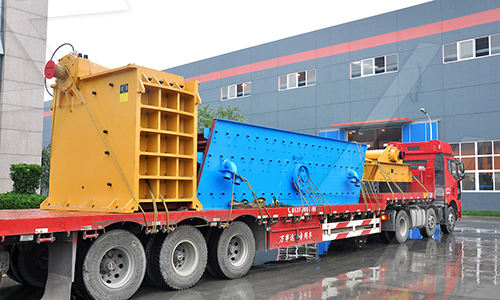
Core Material Engineering for Extreme Wear Resistance
The selection and treatment of materials are the first line of defense. Standard carbon steels are insufficient for critical wear components.
- High Manganese Steel (Hadfield Steel): The industry benchmark for high-impact, high-stress applications like crusher jaws, mantles, and shovel dippers. Its unique work-hardening property means the surface hardness increases under impact, while the core remains tough and ductile to absorb energy without fracturing.
- Alloy Steel Castings: For applications requiring a balance of hardness, strength, and toughness. Elements like chromium, molybdenum, and nickel are alloyed to create grades tailored for specific wear mechanisms—abrasion, adhesion, or erosion.
- Composite & Wear-Resistant Liners: Critical for chutes, hoppers, and truck beds. These often combine a resilient rubber or polymer backing for noise reduction and impact absorption with ceramic or ultra-high-molecular-weight polyethylene (UHMWPE) tiles or plates to provide a low-friction, highly abrasion-resistant surface.
- Specialized Surface Treatments: Processes like induction hardening, carburizing, and the application of tungsten carbide overlays via welding are used to create a supremely hard, wear-resistant surface on components like crusher rolls, pulverizer hammers, and conveyor scraper blades.
Design & Manufacturing Integrity
Durability is engineered in from the initial CAD model through to final inspection.
- Finite Element Analysis (FEA): Components are digitally subjected to simulated operational loads and stress cycles to identify and eliminate potential failure points before a single kilogram of metal is cast.
- Robust Sealing & Lubrication Systems: Designed to IP67/69K standards or higher, these systems prevent the ingress of abrasive dust and slurry into bearings, gears, and hydraulic cylinders, which is a primary cause of premature failure.
- Precision Machining & Quality Control: Adherence to ISO 9001 and relevant CE-marked machinery directives ensures dimensional accuracy, proper heat treatment, and traceability. Critical tolerances on shafts, gears, and bearing housings are non-negotiable for reliable assembly and long-term operation.
Functional Advantages in Mining Applications
- Extended Mean Time Between Failures (MTBF): Reduces unplanned downtime and lowers the total cost of ownership through fewer change-outs.
- Adaptability to Ore Characteristics: Material grades and designs can be specified based on the specific abrasion index (Ai), moisture content, and compressive strength of the ore body.
- Sustained Throughput Capacity: Robust elements maintain designed Tons Per Hour (TPH) capacity over longer periods without degradation in performance, ensuring production targets are met.
- Reduced Vibration & Noise: Properly balanced and manufactured components minimize harmful vibration that can damage adjacent machinery and create a safer, less fatiguing environment for personnel.
Technical Parameters for Critical Wear Components
The following table outlines typical specifications for key elements, illustrating the direct link between material choice and operational parameters.
| Component | Primary Material Grade | Key Property | Typical Application & Capacity Range |
|---|---|---|---|
| Gyratory Crusher Mantle | Austenitic Manganese Steel (AMS) | Work-Hardening (up to 550 HB) | Primary crushing of hard rock (e.g., granite, taconite). Capacity: 2,000 - 10,000+ TPH. |
| Cone Crusher Concave | High-Chrome Cast Iron / Modified AMS | High Abrasion Resistance | Secondary/Tertiary crushing. Handles highly abrasive ores. Capacity: 100 - 3,000 TPH. |
| Ball Mill Liners | Ni-Hard Cast Iron / Chrome-Moly Steel | High Hardness & Impact Toughness | Grinding circuits. Sized for mill diameter (e.g., 3m - 8m) and ore hardness. |
| Apron Feeder Pans | Alloy Steel (AR400/500) | Abrasion Resistance & Structural Integrity | Heavy-duty feeding under stockpiles. Widths from 1.5m to 3m, handling up to 5,000 TPH. |
| Dump Truck Body Liners | Quenched & Tempered Steel / UHMWPE | Impact Absorption & Low Adhesion | Haul truck bodies (100T - 400T capacity). Reduces material sticking and weight. |
Ultimately, reliability in mining is a predictable outcome of correct specification and manufacturing. It is the assurance that machinery elements will perform their function under design conditions for their calculated service life, enabling continuous operation, protecting capital investment, and ensuring the safety of the entire mining system.
Precision Engineering for Optimal Performance: Technical Advantages of Our Components
Precision engineering is the non-negotiable foundation of reliable mining machinery. Our components are not merely fabricated; they are engineered from first principles to meet the extreme demands of mineral extraction, focusing on material integrity, dimensional accuracy, and functional optimization for maximum throughput and minimum total cost of ownership.
Core Material Science & Metallurgy
Component performance begins at the atomic level. We employ advanced metallurgical formulations and controlled heat-treatment processes to achieve specific microstructures.
- High-Stress Wear Components (Crusher Jaws, Mantles, Concaves): Fabricated from modified Austenitic Manganese Steel (Mn14, Mn18, Mn22) and proprietary alloyed steels. Our heat-treatment protocols optimize work-hardening characteristics, ensuring surface hardness increases under impact (reaching 550+ HB) while retaining a tough, shock-absorbing core to prevent catastrophic failure.
- Abrasion-Intensive Components (Screen Decks, Liner Plates): Utilize quenched & tempered alloy steels and chromium carbide overlays. We engineer a precise balance between hardness (for wear resistance) and fracture toughness, directly extending service life in high-silica or abrasive iron ore applications.
- Structural & Drive Components (Gears, Shafts, Housings): Manufactured from forged alloy steels (e.g., 4140, 4340) with precise grain flow orientation. This ensures superior fatigue strength and resistance to cyclic loading, critical for high-tonnage applications.
Engineering for Mining-Specific Operational Parameters
Our design philosophy integrates directly with plant performance metrics.
- Optimized Geometry for Throughput: Crusher chamber profiles and screen panel apertures are computationally modeled to maximize Tons Per Hour (TPH) capacity for target product size distribution, rather than being simple replicas.
- Adaptability to Ore Characteristics: Components are offered in material grades tailored to ore hardness (e.g., Mohs scale), abrasion index, and impact severity. A granite crushing circuit demands a different material solution than a salt processing plant.
- System Integration Precision: Machined mounting interfaces, bore tolerances (to IT7/IT8 standards), and balanced assemblies ensure vibration-free operation and perfect alignment with OEM machinery, reducing parasitic loads on bearings and drives.
Technical Specifications & Compliance
All components are manufactured under a certified Quality Management System (ISO 9001:2015) and comply with relevant international standards for safety and performance. Critical dimensions and physical properties are verified against original drawings and specifications.
| Component Category | Key Technical Parameters | Standard / Compliance |
|---|---|---|
| Crusher Wear Parts | Material Grade, Impact Toughness (J), Work-Hardened Surface Hardness (HB), Dimensional Tolerance (mm) | ISO 13583-1, ASTM A128 |
| Screen Media | Open Area (%), Wire Tensile Strength (MPa), Aperture Tolerance (mm), Fatigue Resistance | ISO 9044, CE Marked for Safety |
| Forged Machined Parts | Yield Strength (MPa), Non-Destructive Testing (UT/MT), Dimensional Inspection Report | ISO 683-1, ISO 148-1 (Charpy Test) |
Functional Advantages in Operation
The synthesis of these engineering principles delivers tangible operational benefits:
- Predictable Wear Life: Consistent metallurgy and hardening lead to linear, predictable wear patterns, enabling accurate maintenance scheduling and inventory planning.
- Enhanced Plant Availability: Reduced risk of unscheduled downtime due to premature component failure. Precision fit eliminates installation delays and secondary damage.
- Optimized Energy Efficiency: Precisely balanced rotors and accurately profiled crushing chambers reduce specific energy consumption (kWh/ton) by minimizing wasteful friction and vibration.
- Superior Product Quality: Consistent cavity geometry and screen aperture control ensure stable product gradation, improving downstream process efficiency.
Detailed Specifications and Customization Options: Tailoring Elements to Your Mining Needs
Material Specifications and Grade Selection
The core performance of any mining machinery element is dictated by its material composition and subsequent heat treatment. Selection is based on a triage of impact resistance, abrasion resistance, and structural integrity under cyclic loading.
- High-Stress / High-Impact Components (Crusher Jaws, Cone Mantles, Hammers): These are typically manufactured from Austenitic Manganese Steel (Mn14%, Mn18%, Mn22% per ASTM A128) or modified manganese alloys with chromium or molybdenum additions. The austenitic structure provides unparalleled work-hardening capability, where surface hardness can increase from ~220 HB to over 550 HB in service, continuously adapting to impact.
- Severe Abrasion Components (Screen Decks, Liner Plates, Chute Liners): Utilize quenched & tempered alloy steels (e.g., AR400, AR500 per ASTM A514) or high-chromium white cast irons (15-27% Cr). These materials offer high initial hardness (400-700 HB) to resist cutting and gouging wear from silica and hard ores. For extreme abrasion with some impact, carbide-enhanced composite plates are specified.
- Structural and Wear Components (Grizzly Bars, Shovel Teeth, Bucket Liners): Employ medium-carbon low-alloy steels (e.g., 4140, 4340) through-hardened and tempered for an optimal balance of toughness and wear resistance. Boron-based steels are increasingly used for their excellent hardenability and abrasion resistance in thinner sections.
Technical Standards and Certification
All elements are engineered and manufactured to meet or exceed international standards, ensuring interoperability, safety, and predictable performance. Key standards include:
- Dimensional & Quality Standards: ISO 21873 (mobile crushers), ISO 5660-1 (materials reaction to fire), and relevant ASTM standards for material properties.
- Safety & Compliance: CE Marking per the EU Machinery Directive 2006/42/EC, incorporating essential health and safety requirements for design and construction.
- Non-Destructive Testing (NDT): Critical components undergo ultrasonic testing (UT), magnetic particle inspection (MPI), or dye penetrant inspection (DPI) to verify internal and surface integrity, as per ISO 17635/17638/17640.
Mining-Specific Performance Parameters
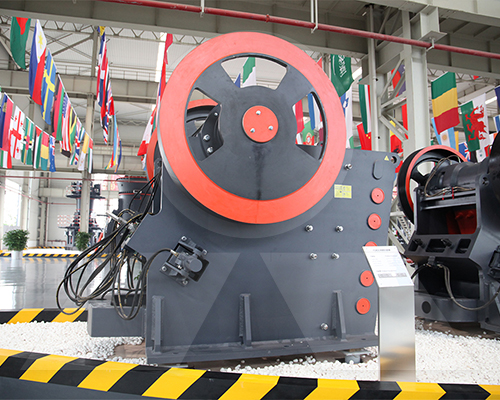
Customization is not aesthetic; it is the precise alignment of element geometry and metallurgy with your operational data.
- Feed Material Characteristics: Element design is optimized for:
- Abrasive Index (Ai) and Ore Hardness (e.g., Bond Work Index, UCS).
- Maximum Feed Size and Required Product Gradation.
- Moisture Content and Clay Percentage to mitigate packing and adhesion.
- Machine and Process Parameters: Elements are tailored to the specific model and duty cycle:
- Crusher Chamber Geometry and Eccentric Throw for liners.
- Throughput Capacity (TPH) and Crushing Ratio.
- Grizzly Opening and Screen Mesh Size for screening media.
- Pulley Diameter and Belt Speed for conveyor system components.
Customization Options Overview
| Customization Aspect | Technical Parameters & Options | Primary Impact on Operation |
|---|---|---|
| Profile & Geometry | Cavity shape (standard, coarse, fine), tooth pitch & height, liner curvature, screen aperture design. | Directly controls product size distribution, throughput (TPH), and power draw. |
| Alloy & Hardness | Manganese steel grade (11-14%, 18%, 22%), Chromium content (2-27%), Bulk hardness (200-700 HB), Surface hardening treatment. | Balances impact toughness vs. abrasion resistance for specific ore type, maximizing service life. |
| Weight & Section Thickness | Increased mass for shock absorption, strategic thickening in high-wear zones, lightweight designs for mobile plants. | Affects component life, machine dynamics, and energy consumption. |
| Mounting & Attachment | Wedge, bolt-on, or rubber-backed systems, specialized lifting lugs, self-aligning designs. | Reduces downtime during change-out, improves safety, and ensures secure fit under load. |
| Special Features | Ventilation holes in screen decks, wear indicators, pre-drilled service access holes, composite overlays. | Addresses specific challenges like blinding, allows for predictive maintenance, and facilitates servicing. |
Functional Advantages of Engineered Customization
- Maximized Uptime & Reduced TCO: Precise material and design matching extends mean time between failures (MTBF), reducing cost-per-ton processed over the element's lifecycle.
- Optimized Process Efficiency: Tailored chamber profiles and screen media ensure target product size is achieved with minimal recirculation load, optimizing overall plant throughput and energy efficiency.
- Predictable Performance: Components engineered from certified materials to defined standards provide reliable, calculable service life, enabling accurate maintenance scheduling and inventory planning.
- Adaptability to Site Conditions: Solutions are configured for specific environmental factors, such as high-altitude operation, extreme temperatures, or corrosive/acidic ore bodies.
Proven Track Record: Case Studies and Testimonials from Industry Leaders
Case Study 1: High-Abrasion Iron Ore Processing, Pilbara Region, Australia
Client: A Tier-1 mining operator.
Challenge: Premature failure of crusher jaw plates in a primary station processing highly abrasive, high-silica iron ore (Bond Work Index >18 kWh/t). Existing OEM parts, while certified, averaged only 110,000 tons throughput before requiring replacement, causing unplanned downtime and high cost-per-ton.
Solution: Engineering analysis recommended a shift from standard Hadfield manganese steel (Mn14) to a modified, micro-alloyed Mn-steel grade with controlled carbide distribution and a proprietary heat treatment protocol. The design incorporated a refined cavity profile to optimize nip angle and material flow, reducing localized stress concentrations.
Technical Implementation & Results:
- Material Upgrade: Transition to a premium Mn18Cr2 alloy, with enhanced hardenability and yield strength, meeting ISO 13521:2018 standards for wear parts.
- Performance Metrics: Post-installation data was tracked over a full campaign.
| Parameter | Previous OEM Part | Our Mn18Cr2 Jaw Plate | Improvement |
|---|---|---|---|
| Avg. Service Life (Tons) | 110,000 t | 187,000 t | +70% |
| Mean Time Between Failure (MTBF) | 42 days | 71 days | +69% |
| Cost-Per-Ton (Wear Parts) | AUD $0.145/t | AUD $0.085/t | -41% |
Testimonial (Site Maintenance Superintendent): "The metallurgical data provided with the parts gave us confidence. The performance jump wasn't marginal; it was a step-change. We've standardized this grade across three primary crushers, and the predictability of wear life has revolutionized our maintenance scheduling."
Case Study 2: Ultra-Hard Granite Aggregate Quarry, Nordic Region
Client: A leading European construction materials group.
Challenge: Cone crusher mantles and concaves in a tertiary stage were failing due to a combination of extreme compressive strength (over 250 MPa) and sought-after chip shape specifications. Standard high-manganese components were experiencing plastic deformation and uneven wear, compromising product gradation.
Solution: A multi-body crushing chamber analysis was conducted to map pressure zones. This informed a segmented mantle/concave design using two different material grades strategically: a tough, work-hardening Mn-steel for high-impact zones and chromium carbide overlay (CCO) composite in high-abrasion, lower-impact areas.
Functional Advantages Delivered:
- Zoned Material Application: Optimized wear resistance by matching material properties (hardness vs. toughness) to specific chamber stress profiles.
- Predictable Wear Pattern: Engineered design promoted even wear, maintaining consistent closed-side setting (CSS) and product TPH output within ±5% throughout liner life.
- Superior Product Shape: Controlled wear characteristics preserved optimal crushing cavity geometry, ensuring >85% of final product met the critical cubicity specification.
Testimonial (Plant Manager): "Their approach was fundamentally different. They didn't just sell us a harder liner; they sold us a system. The dual-material design and the wear simulation they shared proved accurate. We now achieve 30% more wear life while consistently meeting our most stringent shape requirements for high-value asphalt mixes."
Case Study 3: Continuous Operation in a Copper Mine SAG Mill, Andes Region, South America
Client: A major international copper producer.
Challenge: Lifter bars and shell plates in a 38' SAG mill processing copper porphyry ore required excessive change-out time. Welded-on designs led to shell damage and extended downtime. The goal was to increase availability and reduce bolting/labor hours.
Solution: Implementation of a boltless, rubber-metal composite liner system for the shell, combined with high-integrity, single-piece Ni-hard cast lifters. The focus was on system integration for rapid mechanical handling.
Technical Specifications & Outcome:
- Shell Liner System: Rubber composite panels with embedded Mn-steel wear bars, providing exceptional impact absorption and reducing mill noise by 8 dBA. Certified for CE Machinery Directive safety requirements.
- Lifter Design: Optimized face angle and height to maximize lift-and-drop efficiency, improving mill throughput by an estimated 4-5% at the same power draw.
- Maintenance Efficiency: The boltless system reduced liner change-out downtime by approximately 40% per event, directly increasing annual mill availability.
Testimonial (Chief Metallurgist): "The reliability of their liner system is quantified in our availability metrics. The reduction in downtime directly translates to additional tons processed. Their engineers understood the total operational cost, not just the price per kilogram of steel."
Frequently Asked Questions
What is the optimal replacement cycle for crusher jaw plates in high-abrasion environments?
Replace high-manganese steel (e.g., ASTM A128 Grade B3/B4) jaw plates based on wear measurement, not time. In highly abrasive ore, inspect every 300-400 operating hours. Use laser scanning for wear profile analysis. Premature failure often indicates incorrect alloy selection or improper work-hardening during operation.
How do I adapt a cone crusher for varying ore hardness (e.g., 5 vs. 7 on Mohs scale)?
Adjust the closed-side setting (CSS) and hydraulic pressure for the main shaft. For harder ore (Mohs 7), increase hydraulic pressure to maintain crushing force and slightly widen CSS to prevent overloading. For softer ore, decrease pressure and tighten CSS for finer product size. Always verify with the crusher's performance curve.
What are the best practices for controlling excessive vibration in large ball mills?
First, conduct laser alignment on the pinion and girth gear. Ensure proper charge level (typically 28-32% of mill volume) and balanced feed. Inspect for worn liner bolts and shell plate wear. Use accelerometers for continuous monitoring. Persistent vibration often points to foundation issues or trunnion bearing wear (e.g., SKF or FAG spherical roller bearings).
Which lubrication specifications are critical for rotary drill rig swing gearboxes in dusty conditions?
Use extreme-pressure (EP) synthetic gear oil with ISO viscosity grade 320 or 460, specifically formulated with anti-wear additives (e.g., zinc dialkyldithiophosphate). Ensure seals are positive-pressure labyrinth type. Perform oil analysis every 250 hours to monitor particulate contamination and additive depletion, regardless of the scheduled change interval.
How can I extend the service life of hydraulic excavator bucket teeth in fractured rock?
Select teeth made from alloy steel through a proprietary quenching and tempering process (e.g., 34CrNiMo6). Utilize a twin-teeth system to distribute impact load. Ensure proper bucket curl force and avoid prying motions. Implement a rotation program to wear all teeth evenly, and inspect for cracks using magnetic particle testing weekly.