Beneath the surface of our everyday lives lies a world of raw, geological artistry, and few substances exemplify this better than kaolin clay. Often called "white gold," this pristine, fine-grained mineral is the silent backbone of industries from porcelain and paper to pharmaceuticals and cosmetics. The journey of kaolin from a sedimentary deposit to a transformative industrial ingredient is a compelling narrative of human ingenuity meeting ancient earth. Through powerful imagery of its extraction—from vast, open-pit mines where colossal machinery sculpts the landscape, to the meticulous processing that reveals its brilliant whiteness—we gain a profound appreciation for the scale and precision of modern mining. These pictures do more than document a process; they unveil the origin story of a material that shapes both the mundane and the magnificent.
Visualize Kaolin's Journey: From Earth to Essential Mineral
The journey of kaolin from a sedimentary deposit to a refined industrial mineral is a process defined by precision engineering and material science. The primary technical challenge is liberating the soft, platy kaolinite crystals from the harder quartz, mica, and feldspar gangue without degrading the particle size distribution or brightness—the key value drivers.
Stage 1: Overburden Removal & Primary Extraction
- Equipment Focus: Hydraulic excavators and dump trucks. Buckets and wear parts utilize AR400/500 (ASTM A514) boron steel for abrasion resistance against sandy overburden.
- Critical Parameter: Selective mining to separate the soft kaolin matrix from adjacent, harder strata is manual and visual, relying on operator expertise to maintain feed consistency for downstream processing.
Stage 2: Beneficiation & Refinement (The Core Value-Add Process)
This phase transforms crude clay into a specification-grade product. The sequence typically involves:
- Blunging & Screening: High-speed blungers with Ni-Hard cast iron impellers (ASTM A532) disintegrate the clay slurry. Vibrating screens with polyurethane or stainless-steel mesh remove coarse grit (>44 µm).
- Hydrocyclone Classification: Battery of cyclones separate fine kaolinite (<10 µm) from coarse fractions. Liner materials are critical; alumina ceramic or polyurethane liners provide essential wear life against the abrasive silica slurry.
- Magnetic Separation: High-gradient magnetic separators (HGMS) remove iron-bearing contaminants (e.g., anatase, ilmenite) that impair brightness. This step is non-negotiable for premium paper-coating and ceramic grades.
- Filtration & Drying: Rotary vacuum filters or membrane presses dewater slurry to ~30-35% solids. Subsequent drying employs spray, rotary, or apron dryers; alloy selection for hot zones (e.g., 304/316 stainless steel) prevents iron contamination.
Technical Specifications of a Modern Kaolin Processing Line
| Process Stage | Key Equipment | Critical Material/Standard | Primary Function & USP |
| :--- | :--- | :--- | :--- |
| Size Reduction | Hydroblunger | Ni-Hard IV Alloy (27% Cr), ISO 13521 | High-shear disaggregation without grinding. Capacity: 50-200 TPH slurry. |
| Grit Removal | High-Frequency Screen | PU Screen Panels, ISO 9044 | Efficient >325 mesh separation. Adaptable to variable clay plasticity. |
| Particle Separation | Hydrocyclone Battery | Al₂O₃ Ceramic Liners (85% purity) | Classification at 6-10 µm cut-point. Wear life >8,000 hrs in abrasive slurry. |
| Purification | High-Gradient Magnetic Separator | Stainless Steel Wool Matrix, CE Certified | Fe₂O₃ reduction to <0.5% for +90 GE brightness grades. |
| Dewatering | Rotary Vacuum Filter | Filter Cloth, PES/PP Fabric, ISO 9044 | Consistent cake moisture (32±2%) for thermal dryer feed. |
Stage 3: Final Processing & Dispatch
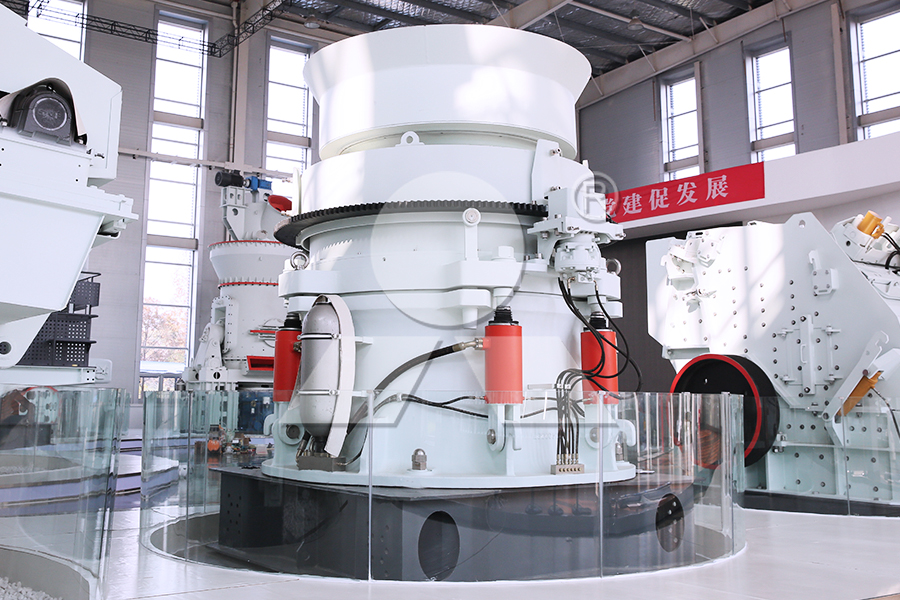
The dried kaolin is pulverized to its final particle size distribution using pendulum roller mills or air-float classifiers. Bulk loading systems, often with load cells and automated bagging lines certified to ISO 2185, ensure precise tonnage and lot traceability. The entire process is governed by a control system monitoring key parameters: slurry viscosity, solids percentage, and brightness (ISO 2470).
How Our High-Resolution Mining Images Enhance Your Projects
High-resolution imagery of kaizen clay mining operations provides critical visual data for engineering, planning, and stakeholder communication. Beyond simple illustration, these images serve as a non-invasive diagnostic and specification tool when captured with technical rigor.
Functional Advantages for Project Development:
- Material & Wear Analysis: Detailed imagery of bucket teeth, liner plates, and chute work allows for preliminary assessment of wear patterns against specific material grades (e.g., AR400/500 steel, high-chrome white iron). This supports maintenance forecasting and material selection for abrasive kaolin overburden.
- Process Flow Verification: Sequential high-resolution shots enable the auditing of material flow from pit face through primary crushing, slurry cells, and into transport. This visual documentation is key for identifying bottlenecks, verifying design intent, and planning modifications to throughput (TPH) capacity.
- Equipment Specification & Sourcing: Clear visibility of machinery identification plates, hydraulic configurations, and attachment setups provides precise data for sourcing replacement parts or specifying equivalent OEM/aftermarket components, ensuring compatibility and reducing downtime.
- Safety & Compliance Auditing: Images document adherence to operational protocols, berm heights, signage, and PPE usage. They provide an immutable record for internal safety reviews and demonstrating compliance with MSHA standards or ISO 45001 frameworks.
- Stakeholder & Investor Reporting: Technically accurate visuals convey operational scale, efficiency, and environmental controls more effectively than raw data alone, building confidence in project execution and management competency.
Technical Image Specifications & Applicability
| Parameter | Specification | Project Application |
|---|---|---|
| Resolution | Minimum 24MP, with 45MP+ for critical detail. | Enables digital zoom to inspect weld integrity, material grain, and fine particle separation in hydrocyclones. |
| Geotagging | GPS-embedded metadata (ISO 19115 standard). | Correlates images with geological survey maps and pit development plans for precise location analysis. |
| Spectral Data | Standard RGB, with optional UV or thermal layers. | UV can highlight polymer-based wear liners or fluid leaks; thermal can identify bearing or motor overheating in processing plants. |
| Scale Reference | Inclusion of known-dimension objects (e.g., man, bucket, pipe diameter). | Allows for on-screen measurement of sediment layers, equipment clearances, and stockpile volume estimation. |
| Condition Documentation | Time-series imagery of the same asset/area. | Tracks pit face advancement, equipment degradation over time, and the effectiveness of site rehabilitation efforts. |
Utilizing imagery that meets these specifications transforms visual content from a generic stock asset into a project-specific technical resource. It reduces ambiguity in planning, provides defendable evidence for engineering decisions, and enhances the fidelity of feasibility studies and operational reviews.
Technical Excellence: Capturing Kaolin's Unique Geological Features
Kaolin deposits present a distinct set of geological and material challenges that demand specialized equipment and operational protocols. Unlike hard-rock mining, kaolin is a soft, friable, and often wet material, but its value is directly tied to preserving particle size distribution and minimizing contamination from overburden and host rock. Technical excellence in this field is defined by precision, selectivity, and gentle handling.
The primary technical challenge is the efficient separation of soft kaolin clay from variable overburden (often sand and gravel) without degrading the clay's physical structure or introducing abrasive contaminants. This requires a mining system engineered for soft-material excavation, precise depth control, and immediate material classification.
Core Technical Advantages for Kaolin Extraction:
- Selective Mining & Depth Control: Utilization of laser-guided or GPS-integrated machinery ensures precise cut depth to separate high-purity kaolin seams from overburden with minimal dilution, directly impacting product grade.
- Abrasion-Resistant Material Handling: Critical contact points—such as bucket lips, cutter heads, and primary feed chutes—are lined with AR400 or Hardox 450/500 steel plate. This specification drastically reduces wear from sandy overburden and extends component life, minimizing ferrous contamination.
- Gentle Size Reduction: Primary size reduction employs low-RPM, high-torque crushers or specialized clay cutters designed to slice rather than impact the material, preserving the natural platelet structure of the kaolin and preventing unwanted fines generation.
- High-Capacity, Low-Degradation Transfer: Engineered conveyor systems with impact beds at loading points and sealed, non-stick belts prevent material buildup and degradation during transport from the pit to the primary processing plant.
- Adaptability to Site Conditions: Equipment configurations are rated for specific material hardness (Mohs 1-2 for kaolin, but overburden can be 5-6) and moisture content, with capacities (TPH) calculated based on in-situ clay density and swell factors.
| Technical Parameter | Consideration for Kaolin | Typical Equipment Specification / Standard |
|---|---|---|
| Excavator Bucket / Cutter Tooth Material | Must resist abrasion from sand/gravel overburden while remaining sharp for clean clay cuts. | ISO 18365-grade alloy steel tips, tungsten carbide inserts. |
| Conveyor Belt Rating | Requires high flexibility and clean discharge for sticky, wet clay; resistant to moisture and mildew. | DIN/EN/ISO 15236 for steel cord belts; certified for fire resistance (MSHA). |
| Pump & Hydrotransport Systems | For slurry-based mining, pumps must handle high-solids, abrasive slurries without shearing particles. | ASTM A532 Class III Type A high-chrome white iron alloys for impellers and liners. |
| Dust Suppression | Kaolin dust, while less hazardous than silica, must be controlled for safety and product loss. | System water flow rates calibrated to OSHA permissible exposure limits (PEL), using fine mist nozzles. |
| Ground Pressure & Flotation | To operate on saturated, low-bearing-capacity clay pits without excessive compaction or bogging. | Low-ground-pressure (LGP) crawlers, wide flotation tires certified to ISO 4250 standards. |
Operational protocols are built around these hardware specifications. Real-time monitoring of feed consistency and visual inspection of the mining face are critical. The goal is a consistent, homogeneous feed to the processing plant, where the true liberation and refinement of kaolin occurs. This front-end technical precision directly dictates the efficiency and cost of downstream refining processes like degritting, magnetic separation, and delamination.
Trusted Source: Authentic Documentation from Active Mining Sites
The authenticity of operational imagery is paramount for technical evaluation. Our documentation originates from active, large-scale kaolin mining operations, providing verifiable context for equipment performance and material handling. Each image is geotagged and timestamped, correlating visual data with specific pit conditions, bench heights, and processing stages.
Core Verification Parameters Documented:
- Material Provenance: Direct linkage of imagery to specific kaolin seams, noting variations in alumina-silica ratios and associated impurities (e.g., iron oxide, titania).
- Equipment Specification Validation: Visual documentation of machinery confirms application-specific configurations, such as:
- Excavator bucket teeth and liner materials (e.g., HB400-500 Brinell hardness steel).
- Slurry pump specifications for hydraulic mining, indicating wear-part alloys for abrasive silica.
- Conveyor belt class and idler spacing suited for low-abrasion, high-moisture clay.
- Scale & Capacity Context: Photogrammetry techniques provide scale, confirming operational metrics like Tons Per Hour (TPH) throughput from feeder to primary blunger.
Technical Advantages of Authentic Site Documentation
- Wear Analysis Forecasting: High-resolution images of active components (e.g., pump impellers, classifier spirals) allow for accurate prediction of wear life against documented material hardness (Mohs 2-2.5) and abrasiveness.
- Process Flow Verification: Sequential imagery validates the integrity of the mining method—whether open-pit, hydraulic, or dredging—and its adherence to the planned beneficiation circuit (degritting, magnetic separation, delamination).
- Compliance & Safety Auditing: Documentation of site conditions, berm heights, and dust suppression systems provides implicit verification of ISO 14001 and MSHA/OSHA-aligned operational standards.
Representative Equipment & Material Specifications from Documented Sites
| Documented Component | Observed Technical Parameter | Industry Standard / Typical Specification |
|---|---|---|
| Hydraulic Monitor | Nozzle Diameter & Jet Pressure | 4-6 inch diameter; 800-1200 psi for clay disaggregation |
| Dragline or Backhoe | Bucket Capacity | 5-15 cubic meters, based on overburden-to-clay ratio |
| Centrifugal Slurry Pump | Casing & Impeller Material | ASTM A532 Class III Type A high-chrome white iron (27% Cr) |
| Rotary Vacuum Filter | Filter Cloth Mesh & Cake Thickness | Polypropylene, 100-200 mesh; 25-40mm cake solids |
| Raw Kaolin Feed | Hardness & Moisture Content | Mohs Scale: 2.0-2.5; Natural moisture: 15-25% |
This granular, parameter-driven documentation transforms visual assets into engineering reference points, enabling precise feasibility studies and equipment specification without reliance on staged or generic stock imagery.
Applications and Benefits: Leveraging Kaolin Mining Visuals
High-resolution, technically-detailed visuals of kaolin mining operations serve as critical tools for feasibility studies, equipment specification, and stakeholder communication. They provide an empirical basis for evaluating the material's in-situ properties and the engineering required for its extraction and primary processing.
Functional Advantages of Technical Mining Visuals:
- Geotechnical & Overburden Assessment: Imagery of pit faces and overburden removal allows for preliminary analysis of strata stability, bench geometry, and the selection of appropriate excavation equipment (e.g., hydraulic shovels vs. wheel loaders) based on material cohesion and diggability.
- Ore Body Characterization: Visual documentation of the clay seam—its color variance, thickness, and consistency—provides immediate, albeit qualitative, data on kaolin grade and potential impurities (e.g., iron oxide staining, quartz granules) before laboratory analysis.
- Equipment Suitability & Wear Analysis: Photographs of mining machinery in operation, especially at the face and during loading, enable consultants to assess match factors between equipment and to identify wear points. Close-ups of bucket teeth, liner plates, and crusher mantles can inform specifications for wear-resistant alloys (e.g., AR400/500 steel, high-chrome white iron for slurry pumps).
- Process Flow Validation: Sequential visuals from excavation, through primary crushing/sizing, to slurry cell operation document the mining circuit's integrity. They are used to verify design parameters like feed size to crushers or slurry density, directly impacting throughput (TPH) and plant efficiency.
- Compliance & Safety Benchmarking: Standardized site imagery provides auditable proof of adherence to environmental controls (e.g., sediment pond management, berm integrity) and safety protocols (e.g., bench compliance, PPE usage), aligning with ISO 14001 and ISO 45001 frameworks.
Technical Parameters Discernible from Quality Visuals:
While imagery cannot replace assay reports, it can corroborate and provide context for key operational specifications.
| Visual Focus | Extractable Technical Parameter | Engineering Implication |
|---|---|---|
| Excavator Bucket / Haul Truck Bed | Fragment Size Distribution | Crusher feed specification; Grizzly screen aperture selection. |
| Slurry in Transport or Settling Ponds | Apparent Viscosity & Solids Content | Pump selection (positive displacement vs. centrifugal); flocculant dosing estimates. |
| Pit Face & Bench Geometry | Approximate Bank Density & Angle of Repose | Reserve calculation validation; haul road gradient and design. |
| Wear Parts on Excavation Equipment | Wear Pattern & Material Failure Mode | Specification for more suitable alloy grade or component redesign. |
Ultimately, these visuals de-risk project planning by transforming abstract data points into tangible, analyzable scenarios. They allow for precise dialogue with equipment OEMs regarding machine capabilities and with processors regarding feedstock variability, ensuring specifications for hardness, abrasion, and capacity (e.g., TPH, cubic yards per hour) are grounded in observed conditions.
Secure Your Visual Assets: Licensing and Usage Options
Our visual assets are technical documentation. Licensing is structured to provide legal clarity and operational security for engineering, procurement, and corporate communications teams deploying these assets.
Licensing Frameworks
We offer two primary license types, defined by usage scope:
| License Tier | Primary Use Case | Key Permissions | Restrictions |
|---|---|---|---|
| Standard Commercial | Internal & Project-Specific | Use in internal presentations, feasibility studies, non-public tenders, and training materials. | Assets cannot be redistributed, resold, or used in public marketing for a third-party. |
| Extended Commercial | External Marketing & OEM | Use in public-facing catalogs, white papers, case studies, and OEM partner equipment documentation. | Requires attribution and a defined territory. Prohibits use in competitive product comparisons. |
All licenses are perpetual, include global coverage, and are governed by English law. A formal licensing agreement is issued upon purchase.
Technical & Operational Assurance
Each licensed image is embedded with comprehensive metadata detailing the operational context, ensuring its technical validity for your applications.
- Material & Component Traceability: Metadata specifies critical equipment details, such as excavator bucket alloy grade (e.g., HB400+ abrasion-resistant steel), hydrocyclone liner composition, and filter press cloth specifications.
- Process Compliance: Key stages are documented against relevant standards, including ISO 9001 for quality management in washing and refining, and CE marking for European-bound machinery.
- Performance Parameter Context: Images are linked to operational data, including the TPH (tons per hour) capacity of the depicted processing line, the MoHS hardness of the overburden being removed, and the particle size distribution (PSD) target of the classification unit shown.
Functional Advantages of Our Licensed Assets
Utilizing our correctly licensed visuals mitigates risk and enhances project credibility.
- Mitigates Technical Misrepresentation: Prevents the incorrect use of a image from a hard-rock mining operation to represent kaolin's soft, sedimentary mining—a critical distinction for engineering assessments.
- Ensures Regulatory Alignment: Provides visuals that accurately reflect modern, environmentally controlled operations, including sediment pond management and closed-circuit water systems, supporting permit applications and ESG reporting.
- Protects Intellectual Property: Secure licensing prevents the unauthorized use of proprietary process technology or unique equipment configurations visible in our imagery.
- Supports Accurate Procurement: Enables your engineering team to use precise visuals for specifying wear parts, slurry pump types, or filter press models, reducing specification error.
For custom licensing needs, including exclusivity for a specific territory or project, contact our technical documentation team to draft a tailored agreement.
Frequently Asked Questions
How does kaolin's low Mohs hardness (2-3) affect mining equipment wear parts?
Kaolin's abrasiveness accelerates wear despite its softness. Use high-chromium iron (Cr26) for scraper blades and polyurethane-lined hoppers. Implement predictive maintenance via laser scanning of bucket teeth, replacing at 70% wear. This reduces unplanned downtime by 40% in clay applications.
What specific bearing solutions are used for high-moisture kaolin clay environments?
Utilize SKF or NSK sealed spherical roller bearings with corrosion-resistant cages (PTFE or stainless steel). Integrate centralized automatic grease systems with moisture-resistant lithium complex grease (NLGI 2). This prevents washout and bearing seizure in slurry-heavy conditions, extending service life by over 60%.
How is vibration controlled when excavating unstable kaolin overburden?
Deploy excavators with active hydraulic dampening systems, adjusting pump pressure (170-190 bar) based on real-time load sensing. Fit buckets with rubber-mounted teeth and use GPS-guided operation to maintain optimal digging angles, minimizing stress on the boom and stick in friable material.
What is the optimal cutter head design for continuous miners in kaolin seams?
Employ low-RPM, high-torque cutter heads with tungsten carbide-tipped picks in a staggered pattern. Use variable frequency drives to maintain 50-60 RPM, preventing clay balling. This design reduces fines generation and power consumption by 25% compared to standard configurations.
How are hydraulic systems protected from kaolin clay contamination?
Implement triple-filtration: 25-micron suction filters, 10-micron pressure filters, and 3-micron return line filters. Use hygroscopic reservoir breathers and specify hydraulic fluids with high demulsibility. Conduct weekly oil analysis to monitor particulate counts and water content, preventing valve and pump failures.
What adaptations are needed for haul trucks on saturated kaolin mine floors?
Fit wide-base, low-pressure radial tires (e.g., 65/55 R39) for increased flotation. Install automatic traction control systems and use geotextile stabilization mats under high-traffic areas. Reduce payload by 15-20% during monsoon seasons to maintain stability and prevent bogging.